-
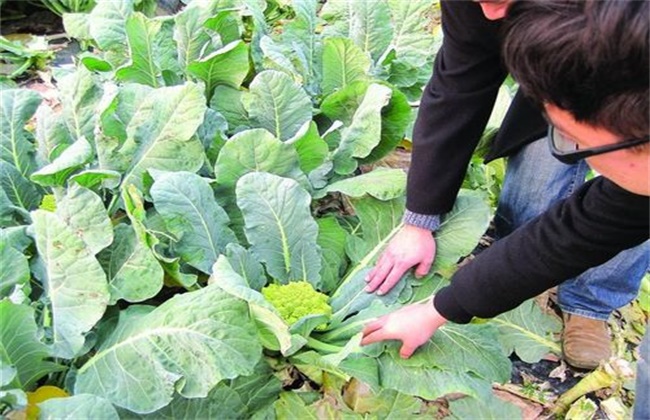
Which chemical fertilizers should not be applied to vegetables? Fertilization taboos you need to know
Which chemical fertilizers should not be applied to vegetables
-
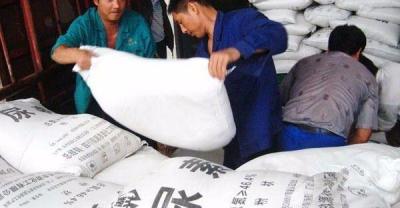
Which fertilizers are unsuitable as seed fertilizers? These fertilization basics are worth knowing
Simultaneous sowing and fertilizing of corn (1) Fertilizers containing harmful ions. Such as: ammonium chloride, potassium chloride, etc. (2) Fertilizers that corrode seeds. Such as: ammonium bicarbonate, ...
-
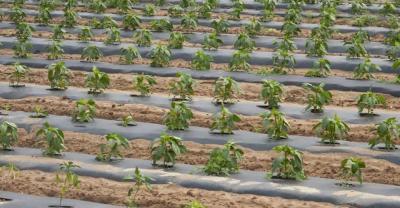
What are the dangers of using chicken manure as fertilizer? Farmers should know this in advance
[Introduction] Once upon a time, chicken manure was the obvious choice for organic fertilizer thanks to its rich nutrient content, but in recent years various problems caused by applying chicken manure have been found...
-
Over-application of phosphate fertilizer causes many harms, do you know these dangers?
1. Apply according to the soil. Soil conditions are closely related to the effectiveness of phosphate fertilizer. On soils with low organic matter and low available phosphorus content, applying phosphate fertilizer to the vast majority of crops can increase yields, therefore, phosphate fertilizer should be allocated mainly to soils with low organic matter content and phosphorus deficiency, so as to give full play to its fertilizer efficiency. Such as red soil dryland, yellow mud field, ...
-
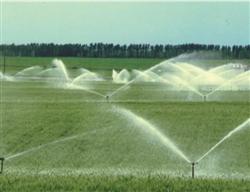
Which fertilizers cannot be applied by flushing? Fertilization taboos every grower must know
Flush fertilization is widely used on greenhouse and open-field vegetables, mainly for topdressing during the vigorous growth period of vegetables. But not all fertilizers can be applied by flushing; only water-soluble fertilizers can be applied by flushing with water. For nitrogen fertilizers, urea, ammonia water, ammonium sulfate and ammonium nitrate are commonly used; for potassium fertilizers, potassium chloride and potassium sulfate are commonly used, and potassium nitrate can also be used for flush...
-
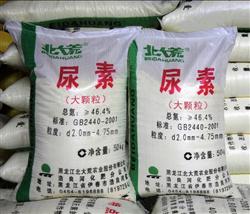
Is large-granule urea good or not? Read this analysis of its pros and cons and you will know.
Is large-granule urea good or not? What are its characteristics? I hope friends who know about it can help explain. In the current agricultural input market, there is a distinction between large-granule urea and small-granule urea. The particle size of small-granule urea is about 1.5 mm, while large-granule urea is generally 2.00-4.75 mm. Zhongdiwang has compiled the characteristics of large-granule urea,...
-
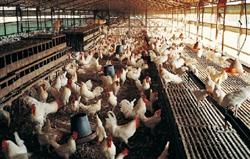
What are the uses of chicken manure? You should know these utilization values
What are the uses of chicken manure? How is it made? Experienced netizens are asked to help explain. With the improvement of living standards, chicken and eggs have become common foods on the dining table, and at the same time the scale of chicken farming has gradually expanded, producing large amounts of chicken manure. But chicken manure looks dirty and smelly, and also pollutes the environment, becoming...
条件筛选