-
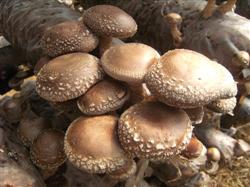
Tobacco stalks can be used to cultivate shiitake mushrooms, did you know?
Using tobacco stalks as a substrate for bag-cultivated shiitake mushrooms produces high yields, good quality, and early fruiting. Tobacco stalks have a loose structure and well-developed vascular bundles, are easy to crush, and the resulting substrate has good aeration. The specific formula is 22.5% tobacco stalks, 1% gypsum, 52% sawdust, 23% bran, and 1% brown sugar. The moisture content of the nutrient substrate is 50%-60%. Other management...
-
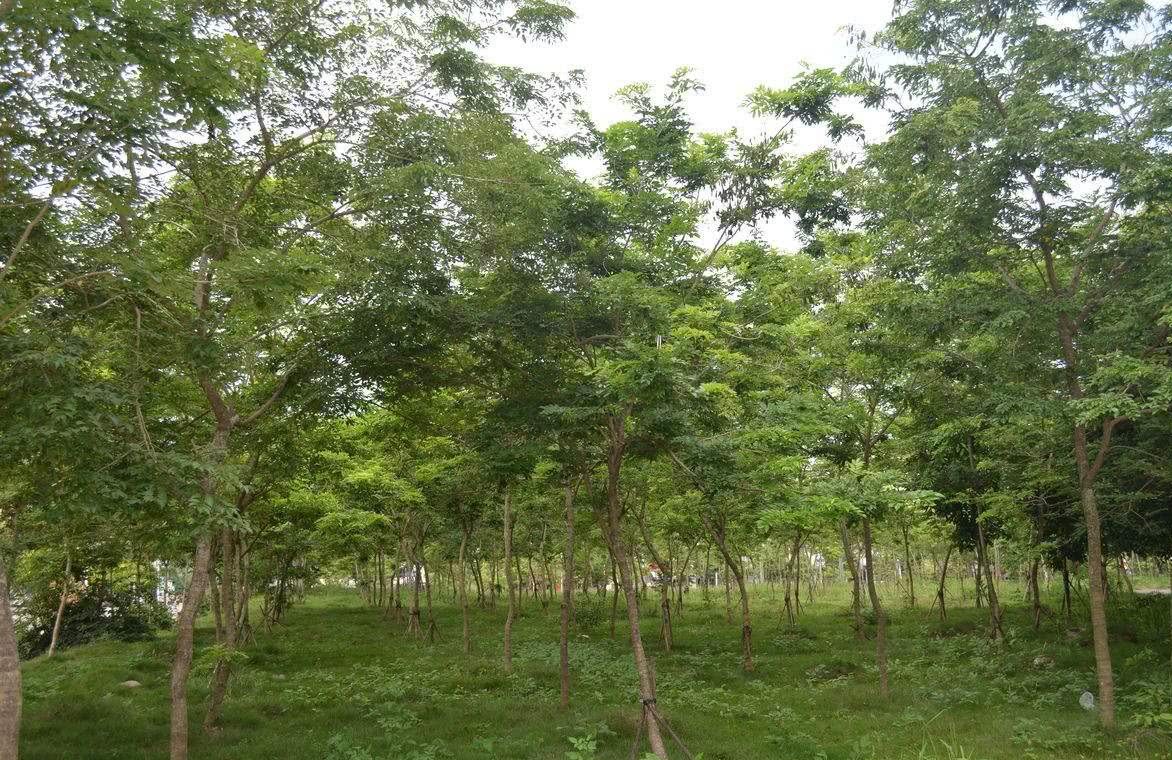
The head of the four great famous woods, imperishable for a thousand years, commonly known as wood gold, a windfall if you come across it
Today's society develops very fast, one could say it changes with each passing day. Things that were unimaginable in the past have now become essentials almost everyone cannot do without. For example, computers, mobile phones, smart furniture - this was unimaginable 20 years ago. ...
-
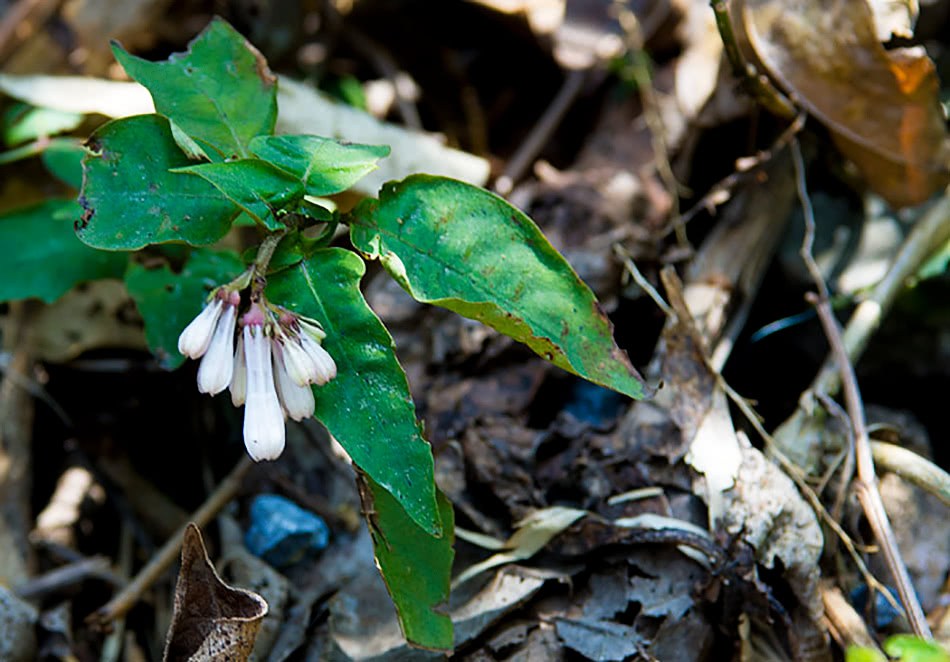
The wild grass in the mountains is commonly known as "Wuqiangtou" (Black Spearhead), growing where snakes appear, and snakes fear it at the sight of it.
Nowadays, most areas are quite hot in summer, but in some regions of southern China, summers are rather hot and humid, such as in the mountainous areas of Sichuan, western Hubei, Guizhou, and Yunnan, and thus when summer arrives in these areas...
-

How do you care for a peony? These care basics you need to know
When people mention the peony, they immediately think of phrases everyone knows, such as "national beauty and heavenly fragrance," "elegant and majestic," and "king of a hundred flowers." Through the ages and around the world, countless people have planted and praised it. The peony has become synonymous with the Tang Dynasty: at the mention of the peony, people think of Yang Guifei, one of the Four Great Beauties; at the mention of the peony, people immediately...
-
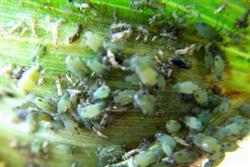
How to control sorghum aphids? These methods you need to know
How to control sorghum aphids? Please give me some guidance. The control methods for sorghum aphids can refer to the following: ① Detect early and control early: when aphids occur in spots and patches, eliminate them promptly to prevent spread. In the early stage, you can simply wipe off the aphids by hand; when severe, use pesticides for control. ② Chemical control methods: A. Dusting: at the seedling stage, use 2.5 kg of 1.5% dimethoate powder per mu; 2 to 3 kg of 1.5% 1605 powder. B. Spraying: use 50 to 70 L of a 1500-fold dilution of 40% dimethoate emulsifiable concentrate per mu; 500 mL of 25% methamidophos emulsifiable concentrate, add 500 to 750 L of water, with a per-mu dosage of 75 L (Note: this pesticide is a highly toxic pesticide, strictly follow the operating procedures, stop using it 28 days before harvest, do not mix it with alkaline pesticides, and wash the equipment clean after use); 0.01 to 0.02 kg of 50% pirimicarb wettable powder, diluted with 30 to 50 L of water (do not let it contact human skin, and do not mix it with strong acids or strong alkalis); 20 mL of 30% omethoate emulsifiable concentrate, diluted with 75 L of water, spray the plants during the occurrence period. C. Smearing on plants: use a 50- to 100-fold dilution of 40% omethoate emulsifiable concentrate, and smear it on the 3rd to 4th nodes at the base of the sorghum (about 17 cm). In the later stage, when the plants age, it is not suitable to use. D. Fumigation to kill aphids: use 0.2 to 0.3 kg of 5% 3911 granules per mu, mix with 2 kg of sand and soil, and apply the pesticide to one ridge every 12 ridges, which can fumigate and kill aphids.
-
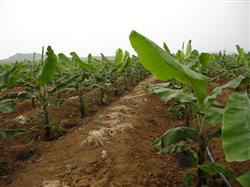
How much fertilizer does a banana plant need? A detailed guide to fertilizing knowledge
The amount of fertilizer applied to bananas is closely related to soil fertility, climate characteristics, fertilizer properties, fertilizing methods, variety, growth stage, and planting density. Fertile soil and less fertilizer can also produce a good harvest. For example, in some mountain banana orchards on Hainan Island, even without fertilizing, a single plant can yield 30 kg. With high rainfall, tall stems, and high-yielding...
-
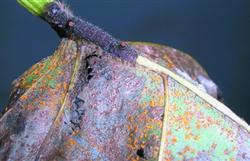
How to prevent and control poplar canker? These methods you need to know
Poplar canker: also known as poplar rot disease. Symptoms occur on the trunk and branches, manifesting as two types: dry rot and dead branch. The dry rot type mainly occurs on the main trunk, large branches and branch forks. In the early stage, the diseased part appears as dark brown water-soaked spots, the cortical tissue rots and softens. After the diseased spots lose water, the bark shrinks and sinks, sometimes cracking...
-
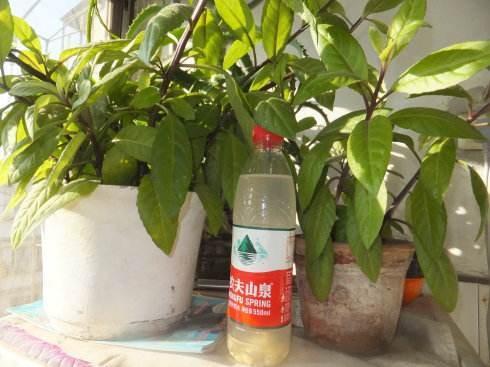
Why do some people no longer use rice water for their plants? I only found out after asking an expert, and I regretted not knowing sooner
As more and more people take up gardening, all kinds of little gardening tips have multiplied too. For example, the fairly common practice of watering plants with rice water, or with beer diluted in water, and so on. It is true that some of these little tricks are very good for the growth of potted flowers. But that is on the premise...
-
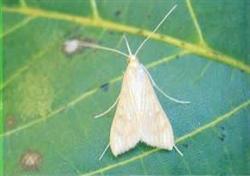
What is the sesame capsule borer? Get to know this sesame pest
What is the sesame capsule borer? Please introduce the sesame capsule borer, which is one of the main pests of sesame. It mainly damages sesame. It commonly occurs in major sesame-producing areas in China such as Henan, Hubei, Anhui and Jiangxi, generally reducing yields by 10%-20%, and by up to 30% in severe cases, causing a marked decline in sesame quality. In response to its occurrence, carefully study...
-
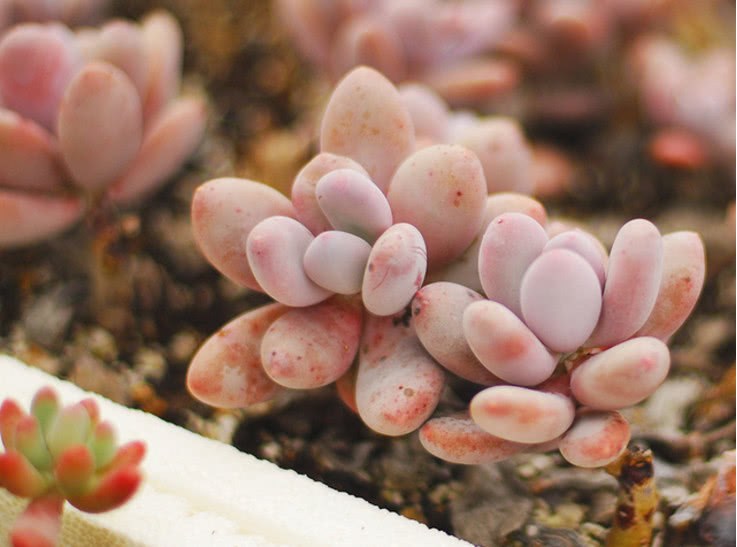
All 17 of the succulent "beauties" are right here - do you know any others?
Although succulent names come in all sorts of varieties, most of them fit their plants perfectly. As it happens, among succulents there is a whole group of "beauties," each with her own figure and charm. So who exactly are these beauties? Little Exquisite Life today, together with...
条件筛选