Detailed Explanation of Key Points of High-Yield Fertilization Techniques for Honeysuckle
Honeysuckle is one of the commonly used bulk medicinal materials in China. Its flowers and stems can both be used. During its growth process it requires a large amount of nutrients, so rational fertilization can further promote the growth and development of honeysuckle. So how should honeysuckle be fertilized? How can high yield be achieved? Let's take a look together.
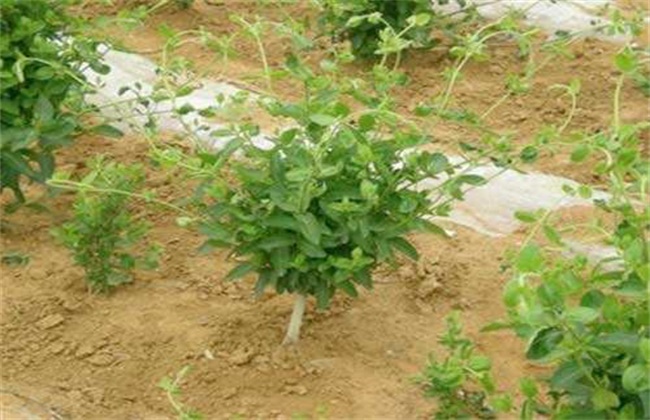
1. Purpose of Fertilization
Honeysuckle is a medicinal material that likes fertilizer. On the one hand, rational fertilization can increase the number of flowers produced; on the other hand, it can also improve the quality of honeysuckle, increasing the content of chlorogenic acid and luteolin glycoside in honeysuckle. These are the main indicators for measuring the quality of honeysuckle products, so we must keep the purpose of fertilization firmly in mind.
2. Fertilization Timing
Because honeysuckle is a fertilizer-loving crop, it needs to be fertilized multiple times a year, so the timing of fertilization must be well controlled. Generally, immediately after the last batch of flowers is picked, fertilize once, mainly with organic fertilizer, combined with an appropriate amount of phosphate fertilizer and potassium fertilizer, to improve the overwintering cold resistance of the honeysuckle plants. After budding in early spring, carry out the first topdressing, also mainly with organic fertilizer, combined with compound fertilizer, to promote new shoot growth and leaf development. After the first flower picking, apply the second topdressing, combined with nitrogen fertilizer and phosphate fertilizer, to promote flower bud differentiation.
3. Fertilization Methods
Generally there are two ways to fertilize honeysuckle. One is the ring-shaped trench fertilization method, which involves digging a ring-shaped trench around the outer edge of each honeysuckle plant, generally about 40 cm wide and 30 cm deep, mixing organic fertilizer with compound fertilizer, then evenly sprinkling the fertilizer into the trench, and finally covering with soil, to help retain water and fertilizer. The second is the strip trench fertilization method, which involves digging a trench 30 cm wide and 50 cm deep between the honeysuckle rows, mixing the fertilizer with soil and then evenly applying it into the trench, then covering with soil. This method has high requirements for the fertilizer: it needs to be fully decomposed, and before application the fertilizer also needs to be broken up.
4. Selection of Fertilizer Varieties
The fertilizer applied must also be well chosen. Organic fertilizers such as chicken manure, pig manure, and human excrement and urine can increase yield and improve quality, and when fertilizing honeysuckle it is best to choose organic fertilizer that has undergone high-temperature fermentation or composting as the main type, to avoid burning the roots or causing pest and disease infections. Nitrogen fertilizer can promote plant growth and development, phosphate fertilizer can promote root development, and potassium fertilizer can improve crop quality and stress resistance, so when topdressing, compound fertilizer should be applied in an appropriate amount.
The above is an introduction to high-yield fertilization techniques for honeysuckle. We hope it can help you. If you want to learn more related knowledge, please stay tuned to us.