-

What are the fertilization methods for stump bonsai?
For stump bonsai, the earlier production and later care are equally important. If your stump bonsai is made very beautifully but is not properly cared for later, it will still lose its ornamental value. The editor will introduce to you the fertilization methods and precautions for stump bonsai.
-
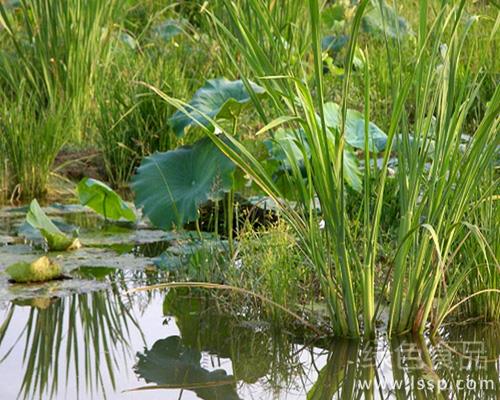
Artificial farming of snakehead fish in wild rice stem fields to maximize resource utilization
Maximizing resource use: artificially farming snakehead fish in wild rice stem fields
-
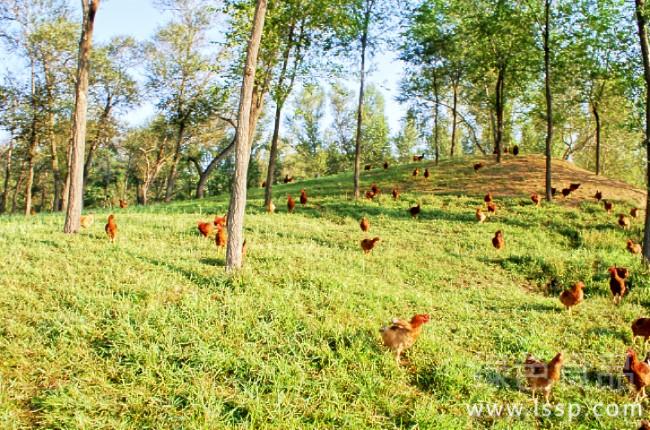
Rational utilization of rural forest land and hilly grazing chicken management techniques
Rational utilization of forest land and hilly rural grazing chicken management techniques
-
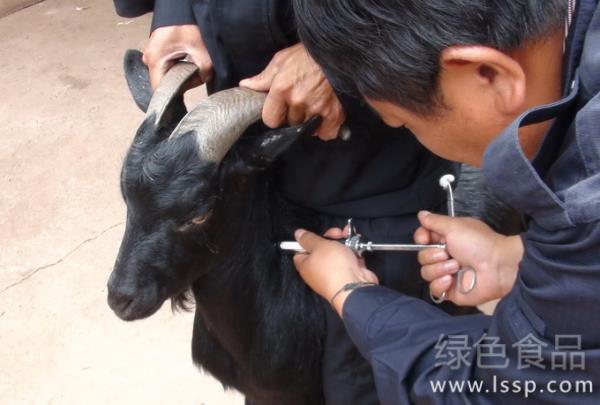
Improper Methods or Genetics? Causes of Animal Immunization Failure
Improper Methods or Genetics? Causes of Animal Immunization Failure
-
Detailed Introduction to Immunization Methods for Various Pig Diseases
I. Immunization Methods for Rotavirus Infection 1. Attenuated vaccine. A porcine-derived attenuated strain, developed in China, attenuated through cell passaging; the diarrhea incidence rate of piglets born to immunized sows can be reduced by more than 60 percent. 2. Inactivated vaccine. Developed in China, this vaccine provides a protection rate of more than 90 percent in immunized piglets. II. Immunization Methods for Swine Vesicular Disease Developed in China, including attenuated live vaccines and inactivated vaccines. In recent years, inactivated vaccines have been mainly promoted and applied. 1. Attenuated live vaccine. Mouse-attenuated swine vesicular disease vaccine
-
Symptoms and Treatment Methods of Sheep Photosensitization
Sheep photosensitization is a disease caused by photodynamic substances in the sheep's skin, which makes light-colored skin react too strongly to sunlight and results in skin damage. Expert disease analysis. (1) Causes: This disease can be divided into 2 types: primary photosensitization and secondary photosensitization: Primary photosensitization: photoactive substances from plants such as hypericin, fagopyrin, and substances from plants of the Apiaceae and Rutaceae families can cause photosensitization in livestock and poultry. Clover, alfalfa, cow parsley and brassica are also related to photosensitization; some
-
Study on Immunization Methods against Swine Trichinellosis and Biochemical Characteristics of Trichinella Antigens
1. Biochemical characteristics of Trichinella antigens: For the first time, advanced techniques including sodium dodecyl sulfate-polyacrylamide gel electrophoresis (SDS-PAGE), isoelectric focusing (IEF), two-dimensional electrophoresis and enzyme-linked immunoelectrotransfer blot (EITB) were applied to analyze 4 types of Trichinella antigens. The analysis showed that the soluble antigen of muscle larvae contains at least glycoproteins, lipoproteins, glycolipoproteins, simple proteins, polysaccharides and esterase isozymes. Two-dimensional electrophoresis revealed 122 polypeptide spots, most of which were acidic polypeptides with molecular weights below 67 KD.
-
Detailed Explanation of Processing and Utilization Techniques for Medicinal Scorpions
There are two methods for processing medicinal finished scorpions: light whole scorpion and salted whole scorpion. 1. Processing of light whole scorpion. Light whole scorpion is also called clear water scorpion. Before processing, soak the scorpions to be processed in clean water for about one hour, while gently stirring to wash off the dirt on the scorpions' bodies and allow them to excrete feces. After removing them, put them into boiling water and cook over high heat for about 30 minutes. The water in the pot should be sufficient to submerge the scorpions. After removing from the pot, spread them on mats and place them in basins to air-dry. 2. Processing of salted whole scorpion. Salted whole scorpion is also called salt water scorpion. Processing of salted whole scorpion
-
Operative Method and Technical Key Points of Vasectomy for Sterilization in Deer
Vasectomy can achieve sterilization by blocking sperm output without affecting the libido or antler-producing performance of male deer. The relevant details of this surgery are summarized below. 1 Preoperative preparation 1.1 A small amount of easily digestible feed should be given on the evening before the surgery; no feed is given on the following morning, and the surgery is performed in the morning or forenoon. 1.2 Anesthesia To enhance the anesthetic effect, the dose of Xiannailin (a deer anesthetic) may be increased, with 1.5 to 2 ampoules injected intramuscularly per deer. 1.3 The surgical site is scrubbed, shaved, dried, and disinfected.
-
Detailed Explanation of Snake Processing and Utilization Methods and Techniques
The snake is almost entirely a treasure, and its comprehensive utilization offers high economic benefits. Its comprehensive utilization mainly includes the following methods. Processing snake skin: To process snake skin, you must first skin the snake. There are mainly two methods for skinning a snake: one is the hanging skinning method, in which the removed skin is cylindrical, and is then cut vertically along the belly to become a flat sheet; the other is the ground skinning method, in which the removed skin is already a flat sheet, that is, the head and tail are cut off and the middle portion is taken. However, no matter which skinning method is used, the skin must be spread flat, nailed onto a wooden board, air-dried, and then removed for later use.
条件筛选