Improper Methods or Genetics? Causes of Animal Immunization Failure
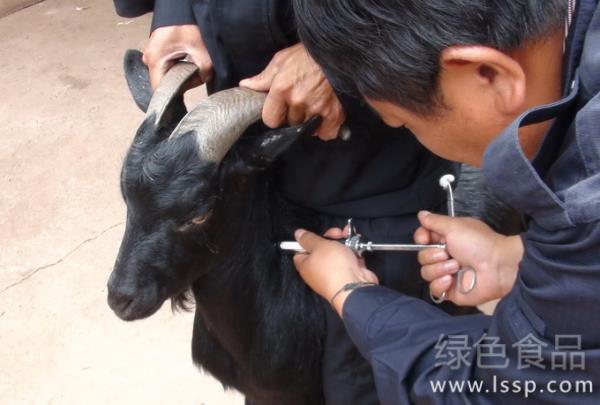
Animal Immunization
During immunization, it is common to encounter animals that still develop a disease after being vaccinated against it, which is usually called immunization failure. There are many causes of immunization failure, most of which are due to improper management in the production, transportation, storage, and use of vaccines. Below is an introduction to the causes of immunization failure.
First, factors related to the vaccine itself. The safety of the vaccine itself. After inoculation with a live vaccine, the vaccine strain can multiply and replicate in the body, mildly producing symptoms of natural infection. After injection of a vaccine, animals will experience varying degrees of adverse effects and immune side reactions, which are themselves a form of external stimulation to the body. For animals already carrying viruses or bacteria, this is a strong stimulus that increases the possibility of disease onset. In actual practice, deaths during animal immunization caused by the safety problems of the vaccine itself occur from time to time.
Second, vaccine quality. During vaccine production, some adjuvants must be added, which may cause immune side reactions; differences in production equipment among vaccine manufacturers lead to unstable vaccine quality; factors in vaccine storage, transportation, preservation, and use may also reduce vaccine potency. All vaccines have requirements for storage, transportation, and preservation, and must be stored and transported according to regulations. For example, attenuated vaccines and bacterial vaccines must be stored at low temperatures, and the temperature must be relatively stable, without repeated freezing and thawing, otherwise the vaccine potency will decline rapidly; vaccine exposure to sunlight, being taken out for too long, not being used up within the prescribed time limit after dilution, or power outages in the refrigerator, among other factors, will all reduce vaccine potency and cause immunization failure.
Third, improper vaccine dilution. Each vaccine has a corresponding diluent, and the corresponding diluent must be selected when in use. Improper use, or use of a contaminated diluent or one that has not been strictly sterilized, failure to clean and disinfect drinking water equipment during drinking water immunization, or the presence of disinfectants in it, or failure to use the diluted vaccine within the prescribed time limit will all result in poor immune effects or immunization failure.
Fourth, improper vaccination methods. Immunization inoculation includes various methods such as intramuscular injection, subcutaneous injection, drinking water, and spraying. Failure to vaccinate by the correct route, or vaccinating at an incorrect site, such as performing intramuscular injection when subcutaneous injection should be used, or during intramuscular injection immunization, the occurrence of a "flying needle," where the vaccine is not injected or the vaccine flows out from the needle hole, resulting in an insufficient injected dose of vaccine, and other such factors may all cause immunization failure.
Fifth, inadequate sterilization of instruments. If instruments are not strictly sterilized according to regulations, and during injection one needle is not replaced for each animal with disinfection performed animal by animal, and some epidemic prevention personnel do not pay attention to details and do not change needles or disinfect during injection, this can easily cause vaccine contamination and mechanical transmission of pathogens, resulting in cross-infection of diseases.
Sixth, improper use of disinfectants. When using iodine tincture for disinfection, if the iodine is not removed, the iodine tincture comes into contact with the vaccine, causing the vaccine to become ineffective.
Seventh, interference between vaccines. When two or more vaccines are inoculated at the same time, failure to pay attention to the mutual interference between vaccines reduces the immune effect of the vaccines.
Eighth, unreasonable immunization procedures. The formulation of immunization procedures must be combined with the local disease prevalence situation and actual conditions. If the immunization procedure is formulated unreasonably or the timing of immunization is grasped improperly, it will have a relatively large impact on the immune effect. Vaccinating too early will be interfered with by maternal antibodies, leading to immunization failure; vaccinating too late will create an immune blank period, making livestock susceptible to disease. Conducting multiple vaccine immunizations at the same time will cause mutual inhibition between vaccines, thereby causing immunization failure.
Ninth, stress factors. Animal immune function is regulated by the mutual interaction of various body systems. If animals are vaccinated during a stress response period, their immune capacity will be reduced, the immune response capacity will be weakened, and thus the antibody level will be lowered.
Tenth, drug factors. Some drugs can affect the immune response to vaccines. Using antibacterial drugs during the immunization period or adding medicated additives to feed will both lead to a reduction in the animal body's immune cells, thereby affecting the body's immune response and causing immunization failure.
Eleventh, environmental factors. Sudden climate changes or environmental changes such as high temperatures, cold, rainy weather, excessive temperature differences, excessive humidity, and noise will all cause animal immunization failure.
Twelfth, management factors. Excessive stocking density, poor ventilation, and poor environmental hygiene easily cause stress responses in animals. When large amounts of pathogenic microorganisms exist in the rearing environment, animals are highly susceptible to infection, and vaccination at this time will affect the effectiveness of the vaccine, leading to immunization failure. Feeding moldy and spoiled feed can lead to atrophy of the thymus and lymph nodes and a decline in the phagocytic capacity of macrophages, causing immunosuppression.
Thirteenth, disease and individual factors. When animals are vaccinated, some animals are already in the incubation period, and some have already been infected with severe parasites. Vaccination at this time will inevitably lead to disease onset in the animals. Sometimes animals are in a healthy state when vaccinated, but due to breed differences, immune side reactions will occur after immunization.
Fourteenth, nutritional factors. Vitamins and other nutrients have a significant impact on animal immunity. Nutrient deficiency, especially deficiency of vitamins A, D, B, and E, trace elements, and protein, will affect the body's immune response to antigens, and the immune response will be noticeably suppressed.
Fifteenth, animal health reasons. Health examination of animals before immunization is a very important task and is the key link to ensuring immunization quality and reducing deaths. Before vaccination, the animal's medical history should be inquired about and understood in detail, and the animal's health status should be carefully observed, so that immunization can only be carried out after ensuring the animal is in a healthy state.
Sixteenth, drug abuse. Some antibiotics, antiviral drugs, and hormones have an inhibitory effect on the proliferation of lymphocytes in the animal body, affecting the immune effect and the immune response.
Seventeenth, infection of the animal body with immunosuppressive diseases. Some animals infected with diseases will develop immunosuppression. There are many diseases that cause immunosuppression in the body, such as swine fever, blue ear disease, porcine circovirus, pseudorabies, parvovirus disease, swine influenza, mycoplasmal pneumonia, Mycoplasma pneumoniae infection, infectious pleuropneumonia, salmonellosis, toxoplasmosis, and parasitic diseases, all of which are immunosuppressive diseases. Immunosuppressive diseases mainly invade and damage the body's humoral or cellular immune central organs, causing damage to lymphocyte production, reducing it or making it impossible to produce immunoglobulins, leading to immune response dysfunction and immune functional disorders in the body, reducing the responsiveness of the animal population to vaccination and producing the phenomenon of immunosuppression.
Eighteenth, genetic factors. The animal body has an immune response to inoculated antigens. The immune response is controlled by heredity, and there are differences in its reaction. Even different individuals of the same breed have different strengths of immune response to the same vaccine. Some animals have congenital immune defects, which easily lead to immunization failure.