-
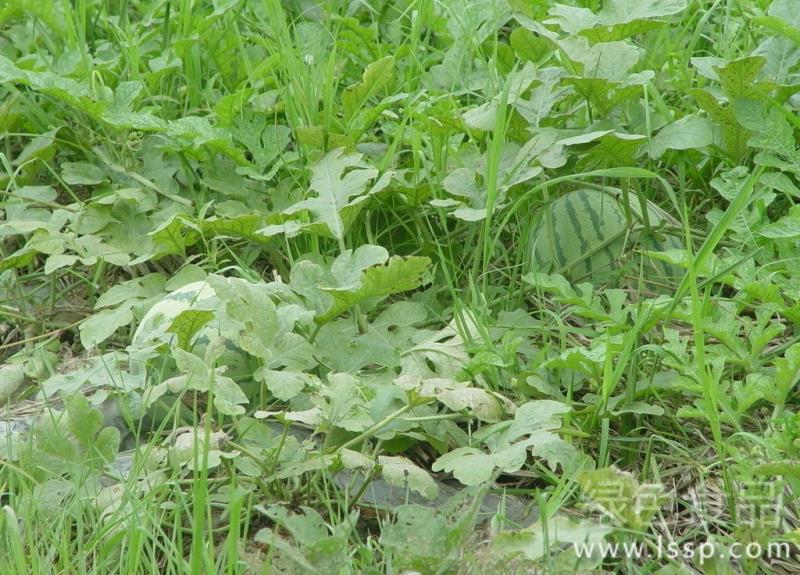
Weeds in watermelon fields compete for nutrients and cause reduced yields; how to effectively remove weeds
Weeds competing for nutrients cause watermelon yield reduction; how to cleverly remove weeds in watermelon fields
-
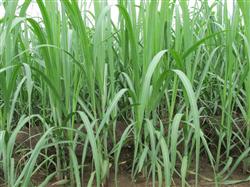
How can herbicides be mixed and applied in sugarcane fields for good results?
How should herbicides be mixed and applied in sugarcane fields? What should be noted? When mixing herbicides for sugarcane, you need to grasp the following principles: First, the weed control spectrum of the two herbicides should differ. Second, fast-acting agents should be mixed with slow-acting agents, and long-lasting agents should be mixed with short-lasting agents. Third, in...
-
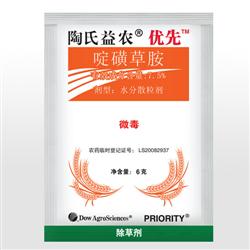
How is the herbicide pyroxsulam used in wheat fields?
How is the herbicide pyroxsulam used in wheat fields? Please give an introduction. Pyroxsulam 7.5% water-dispersible granules, a priority for weed control in wheat fields, is a sulfonamide herbicide launched in the winter of 2009 by Dow AgroSciences of the United States for controlling grass weeds in wheat fields while also controlling broadleaf weeds. In recent years, through a large number of trials and...
-
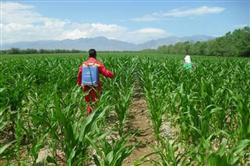
Precautions for Using Glyphosate for Weed Control in Corn Fields
What should be noted when using glyphosate for weed control in corn fields? Please give an introduction. Glyphosate is a systemic herbicide. When used for weed control in corn fields, if used improperly, it can cause damage to corn. There are mainly the following reasons: First, a lack of understanding of the properties of glyphosate. Glyphosate is a systemic her...
-
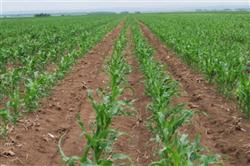
Can glyphosate be used to control weeds in corn fields?
Can glyphosate be used to control weeds in corn fields? Please explain: glyphosate should be used with caution for weed control in corn fields, for the following reasons: First, users lack understanding of the properties of glyphosate and cannot clearly distinguish between systemic and contact pesticides. After glyphosate solution is absorbed by corn leaves, it will not only damage the leaves it touches, but the entire plant will...
-
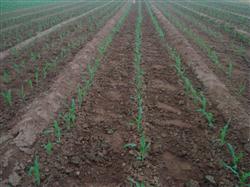
How can weed control in corn fields be effective?
How do you control weeds when growing corn? Please provide guidance. Spring-sown corn fields are mainly infested with perennial weeds, winter-annual weeds and early-spring weeds, such as field bindweed, field bindweed (Convolvulus arvensis), Ixeris denticulata, shepherd's purse, Hemisteptia lyrata, lamb's quarters, etc. The weed community composition generally consists of one or two weed species forming the dominant population; the dominant weeds are barnyardgrass, crabgrass, foxtail...
-
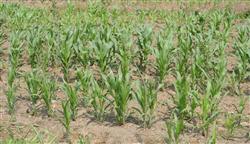
What precautions should be taken when using glyphosate for weed control in corn fields?
What should be noted when using glyphosate for weed control in corn fields? Please explain that glyphosate is a systemic herbicide. When used for weed control in corn fields, if used improperly, it can cause harm to corn, mainly for the following reasons: First, a lack of understanding of the properties of glyphosate; glyphosate is a systemic herbicide...
-
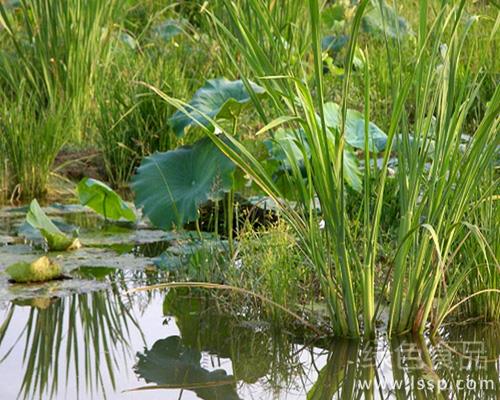
Artificial farming of snakehead fish in wild rice stem fields to maximize resource utilization
Maximizing resource use: artificially farming snakehead fish in wild rice stem fields
-
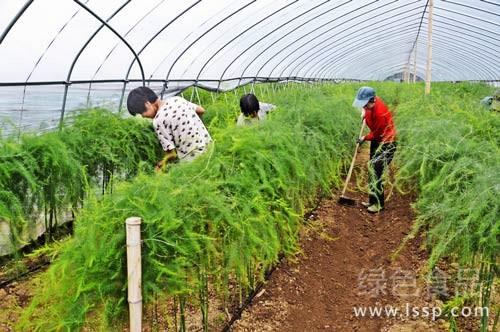
Key points for winter clearing of asparagus fields to ensure overwintering and harvest the following year
Winter clearing points for asparagus to ensure overwintering and harvest the following year
-
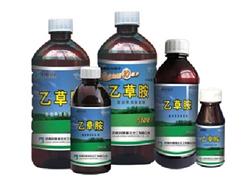
Can acetochlor be used for weed control in cotton fields?
Can acetochlor be used for weed control in cotton fields? What should be noted when spraying acetochlor in cotton fields? We also ask netizens who have used it to help explain. Acetochlor is a widely used herbicide, one of the most important herbicide varieties in the world today, and also one of the herbicides with the largest usage volume in our country at present. Acetochlor is effective against crabgrass,...
条件筛选