-

What are the main herbicides used in wheat fields? Detailed guide to their application methods
Main herbicides for wheat fields and their application methods
-
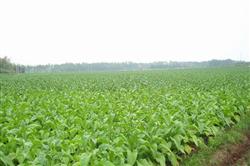
How to correctly use napropamide in tobacco fields?
How should napropamide be used in tobacco fields? Please give guidance. Tobacco seeds are small, and the seedlings grow slowly, so they are often harmed by weeds. The main weeds include: foxtail, Chinese sprangletop, barnyardgrass, goosegrass, shortawn foxtail, cocklebur, flatsedge, cleavers, chickweed, plantain, dandelion, etc. Weed control in tobacco fields can...
-
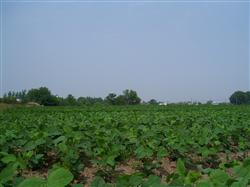
How to Control Weeds in Cotton Fields? A Detailed Guide to Practical Methods
How to control weeds in cotton fields? Please provide methods. When growing cotton, you can refer to the following methods for weed control: (1) Types and occurrence characteristics of cotton field weeds. China is one of the world's major cotton-producing countries, with Shandong, Hebei, Henan, Jiangsu, Hubei, Xinjiang, and Anhui among the main cotton regions. Cotton field weeds mainly include 2...
-
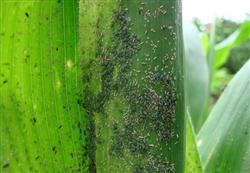
How can aphids in cornfields be controlled effectively?
How to control aphids in cornfields? Please explain the methods. Corn aphids, commonly known as "greasy bugs" or "honey bugs", harm not only corn but also crops such as sorghum and barley. They pierce and suck plant sap. Aphid numbers are very low at the seedling stage, but surge during the ear stage, secreting large amounts of "honeydew", which forms a black mold-like layer on the leaves, affecting photo...
-
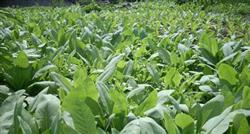
How to use herbicides in vegetable fields safely? Master these key application points
Weeds in vegetable fields are a major problem in vegetable production. Hand weeding is both labor-intensive and backbreaking, so the vast number of vegetable growers need to use herbicides in vegetable production. However, vegetables come in many varieties, have short growing periods, high multiple-cropping indexes, and complex crop rotations, and there are also many types of herbicides. If used improperly, they can easily cause herbicide damage, or even total crop loss...
-
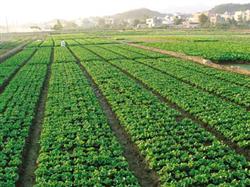
What are the key precautions for using herbicides in vegetable fields
In vegetable production, hoeing and weeding often accounts for more than 40% of the total labor used in vegetable field management. If chemical weeding is used, it can not only effectively control weeds and improve the quality and yield of vegetables, but also save a large amount of weeding labor and reduce labor intensity, but the following "eight precautions" must be observed....
-
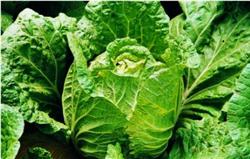
What herbicide works well in napa cabbage fields?
Currently, the herbicides registered in China for napa cabbage include 33% pendimethalin emulsifiable concentrate (100-150 ml per mu), applied as a soil treatment after sowing but before emergence, or before transplanting the cabbage; it can control some grasses and broadleaf weeds. If using pendimethalin over a large area, it is advisable to test on a small area first. For soil treatment...
-
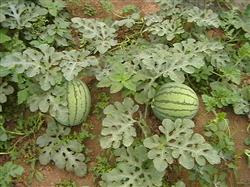
How to Cleverly Use Non-Selective Herbicides in Summer Sesame Fields
When watermelons are cultivated in greenhouses, small arched sheds and with plastic film mulch, the temperature and humidity conditions inside the protected area are suitable for weed growth, and manual weeding is inconvenient, resulting in vigorous weed growth and severe damage. Few herbicide products are registered for use in watermelon fields in China, and many farmers misuse herbicides in watermelon fields, leading to poor weed control results...
-
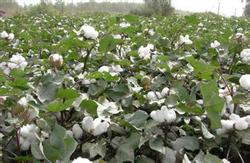
Five precautions for using regulators in cotton fields
1. Pay attention to the scope of application. Cotton fields suitable for plant growth regulators must have good water and fertilizer conditions, and the cotton must show a tendency to excessive growth or already be growing excessively. They must not be used in cotton fields where the climate is dry and irrigation is not possible, where growth is weak, or where growth is inhibited by pests and diseases. 2. Pay attention to the application period. Mepiquat chloride generally...
-
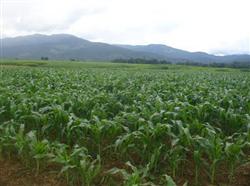
What are the precautions for using post-emergence herbicides in corn fields?
I. 2,4-D butyl ester. (1) Causes of phytotoxicity. Applying the herbicide too late, at too high a dose, or unevenly can cause phytotoxicity. (2) Symptoms of phytotoxicity. When the herbicide is applied to the soil, the young shoots bend and the young roots grow upward, then later return to normal. When the herbicide is applied to stems and leaves, the stems become twisted, the leaves become narrower, ...
条件筛选