-

South Africa's National Treasure Tea Gets EU Origin Certification, One of South Africa's Three Treasures Sees a Surge in Value
South Africa's national treasure tea is rich in natural nutrients and free of caffeine. In recent years it has rapidly risen to fame in the beverage market, and in May of this year it passed certification by the European Commission, obtaining protected designation of origin, becoming the first African crop to obtain this certification, meaning that even if the same
-

How Are Flowers Classified? A Detailed Guide to Common Flower Classification Methods
What Are the Classifications of Flowers? What Common Flower Classification Methods Are There?
-
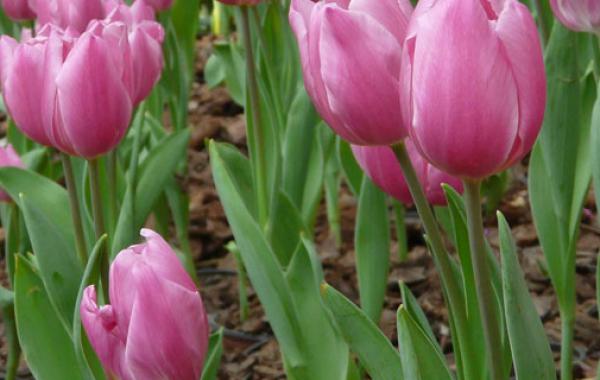
What flower families and genera are there? Understanding flower classification in one article
What flower families and genera are there?
-
Flower identification methods: teaching you to know flowers by looking at them
Teaching you to know flowers by looking at them
-
What are the classifications of fertilizers during flower growth?
Classification of fertilizers in flower growth
-
What Categories Can Walnut Varieties Be Divided Into? Understanding Walnut Classification in One Article
The selection of walnut varieties is the foundation for developing the walnut industry. However, in practical application, walnuts can be classified into the following many categories according to their different characteristics. 1. Varieties classified by walnut origin: Xinjiang walnuts, North China mountain walnuts, Qinba mountain walnuts, Tibet highland walnuts.
-
Symptom Identification and Control Methods of Walnut Bacterial Blight
1. Distribution and Occurrence Characteristics Widely distributed in walnut-producing areas such as Hebei, Shandong, Shanxi, Liaoning, Henan, Jiangsu, Zhejiang, Sichuan, Yunnan, Shanxi, and Gansu, with severe incidence in some areas. Infection generally begins in mid-to-late May. The pathogenic bacteria overwinter in the lesions of diseased branch tips or in diseased buds. In the spring of the following year, the bacteria spread by wind and rain splashing onto leaves, fruits, and young branches, causing damage. The pathogen can infect floral organs, so pollen can also carry the bacteria, and insects are also vectors. The bacteria invade through stomata, lenticels, nectaries, and various wounds. Under conditions of sufficient humidity, temperatures within the range of 4-30°C can cause infection of leaves, and 5-27°C can cause infection of fruits. The incubation period varies in different parts: 5-34 days on fruits and 8-18 days on leaves.
-
Symptom Identification and Control Methods of Walnut Rot Disease
1. Distribution and occurrence characteristics. Also known as black water disease, it occurs in Henan, Shanxi, Shandong, Sichuan and other places. The pathogen overwinters in the diseased parts as mycelium or stroma and pycnidia. After the sap of the walnut tree begins to flow the following spring, when suitable conditions for disease development occur, conidia are produced,
-
Walnut Leaf Webber Pest: Symptom Identification and Control Methods
1. Distribution and damage symptoms. It is a major leaf-eating pest of walnut, distributed in North China, Northwest China and Central-South China. The larvae bite and feed on walnut leaves, and when outbreaks are severe they can strip all the leaves from the entire tree. 2. Morphological characteristics and life habits. It belongs to the order Lepidoptera, family Pyralidae, also known as the wood webworm, and the leaf-webber pyralid.
-
What Pig Breeds Are There? A Detailed Explanation of Common Type Classifications
China's geographical conditions and ecological environment are diverse and complex, and coupled with a long history of pig farming, many excellent local breeds have been formed under the careful cultivation of the working people, numbering more than 100. In the 1980s, appropriate consolidation was carried out, determining China's local breeds
条件筛选