South Africa's National Treasure Tea Gets EU Origin Certification, One of South Africa's Three Treasures Sees a Surge in Value
South Africa's national treasure tea is rich in natural nutrients and free of caffeine. In recent years it has rapidly risen to fame in the beverage market, and in May of this year it passed certification by the European Commission, obtaining protected designation of origin, becoming the first African crop to obtain this certification, meaning that even if a similar flavor is produced using the same raw materials, the same name may not be used in Europe. With this certification, its commercial value has risen accordingly.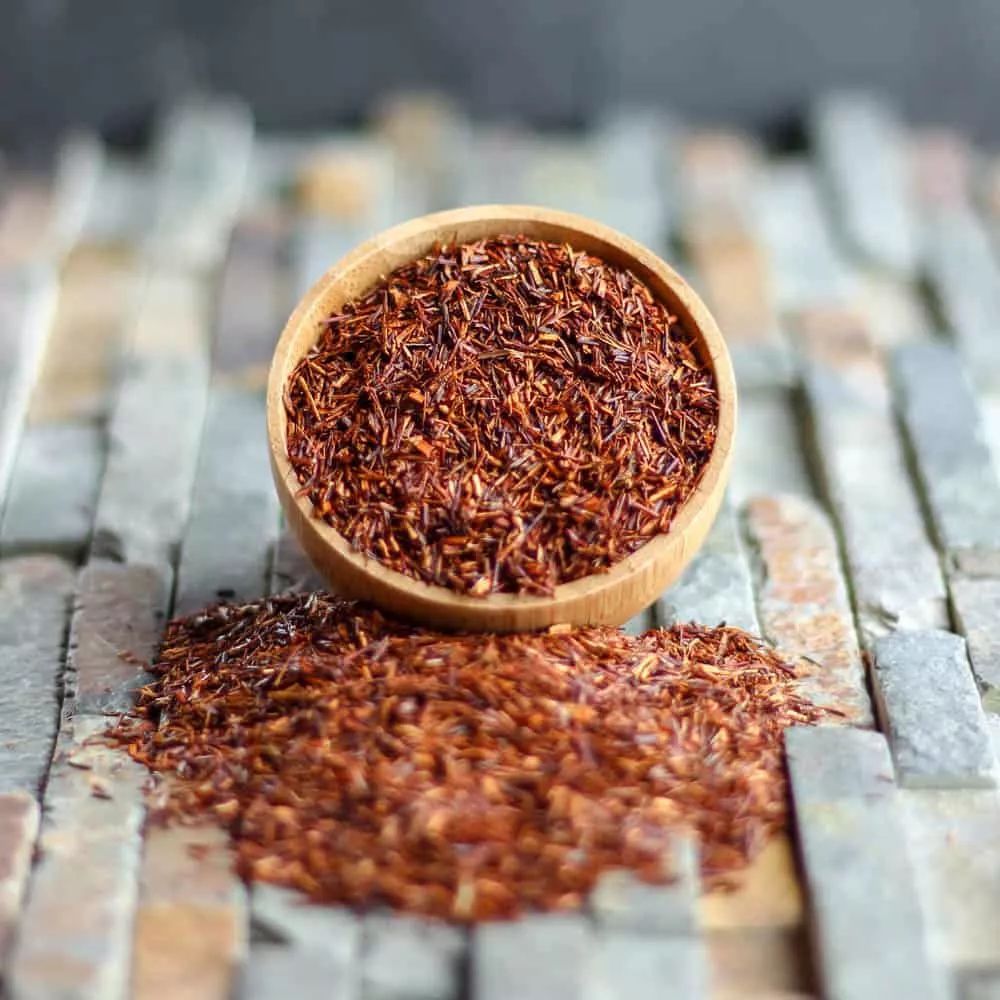
Put the tea leaves into a tea infuser and pour in hot water, and it turns reddish-brown. This is the national treasure tea hailed as South Africa's ruby, also known as rooibos, which together with gold and diamonds is known as one of South Africa's three treasures.
A South African citizen: "Many of the people who might drink national treasure tea are older people, like our grandmothers and so on, so I think it is good for health."
The original name of national treasure tea means red bush. It grows in the northern part of Cape Town, South Africa, is rich in natural nutrients, and contains no caffeine. In recent years it has become a new favorite in the beverage market.
Every December is the season when Cape Town farmers harvest national treasure tea leaves. National treasure tea has one characteristic: the harsher the climate, the better it grows. Because of its growing environment, its roots must grow deep downward, and therefore it absorbs a large amount of minerals.
National treasure tea farmer Sandberg: "What makes national treasure tea unique is that it exists in a very small and remote area. It grows naturally here, so it is one of a kind. In addition, it is a very healthy product, caffeine-free, with many health benefits."
After more than 10 years of effort, national treasure tea finally passed certification by the European Commission in May of this year, obtaining protected designation of origin and becoming the first African crop to obtain this certification. Its significance is equivalent to French champagne, Indian Darjeeling black tea, and Mexican tequila. Even if food with a similar flavor is made using the same raw materials, it may not be called by the same name in Europe.
National treasure tea farmer Sandberg: "Just as champagne is unique to France, the national treasure tea of this region is the same. It has traditionally grown here, making it unique to South Africa, especially this region of the Western Cape."
This long-established shop in London, England, which specializes in premium tea, has also imported national treasure tea from South Africa. The operator says that although national treasure tea has already entered the UK market for more than 20 years, there is still room for growth, and obtaining EU protected designation of origin certification is expected to boost sales.
UK tea importer Coningham: "Who is growing national treasure tea, where it is grown, the story about national treasure tea, the growing environment and community, these are among the elements we look for. Obviously there is also taste. I mean, national treasure tea is wonderful. It has a great soothing effect, a calming flavor, and it is quite sweet."
The cultivated land for national treasure tea is about 70,000 hectares. In Cape Town, a total of 350 commercial farmers and 100 emerging farmers are engaged in growing it. The local association believes that the rise in the commercial value of national treasure tea will help farmers invest in sustainable agriculture and promote soil care and soil and water conservation. On the other side of the world, Brazil is also working to conserve the "trumpet tree."
On the streets of Rio de Janeiro, Brazil, many people appear, using their phones to photograph blooming trumpet trees. Its flowering period lasts at most only six days. In order to let more people appreciate it, a local civic group specially comes to take photos and upload them to share.
Environmental lawyer Veronica: "I am an environmental lawyer. I always plant trees with them and ask the city government to plant more. We watch them plant, but unfortunately, citizens do not help take care of the trees according to need."
It turns out that a construction project was recently developed in the area, and thousands of trumpet trees were removed. Through activities, the civic group called on the public to plant trees together, but the response was very polarized. Fortunately, public authorities noticed their good deed and joined the tree-planting effort.
Representative of the Rio Parks and Gardens Foundation Berreiro: "When we uploaded to social media, there was a wave of enthusiasm. Our followers loved it, shared it, and began reporting more flowering locations, so the route map was repeated, and we reached 100 trumpet tree spots across the city, making it worthy of being called the Rio de Janeiro of trumpet trees."
There are at least 14 varieties of trumpet tree. What is blooming now is purple-red, and by September it will change to a sea of yellow flowers. Trumpet trees not only beautify the urban landscape but can also regulate the climate. The trunk can be used as high-quality timber building material. Although it has already been removed from the endangered species list, it is often illegally logged in large quantities in the Amazon rainforest. Greenpeace is calling on the Brazilian government to comprehensively review the current regulatory system and protect this precious tree species.