-
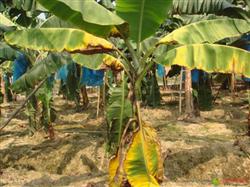
The Harm and Control Methods of Banana Fusarium Wilt
What harm does banana Fusarium wilt cause? How should it be controlled? Please explain the methods. Banana Fusarium wilt is also known as banana Panama disease and banana Fusarium wilt. It has long occurred in many countries in Latin America, and was also discovered long ago in Taiwan, China. This disease is listed as a quarantine target for both external and internal quarantine in China. From 1985 to 1988 in Guangdong Province...
-
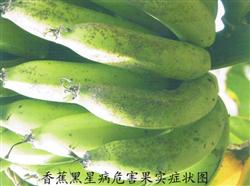
What is banana black spot disease and what harm does it cause?
What is banana black spot disease? What harm does black spot disease cause? How should it be prevented and controlled? Please explain. Black spot disease is an uncommon disease of banana plants, mainly affecting leaves and fruit. When leaves are affected, they age prematurely and wither; diseased fruit has a poor appearance and low commercial value, and is prone to rotting during storage and transport. On infected plants, the lower leaves are affected first, with many small black spots scattered across the leaf surface...
-
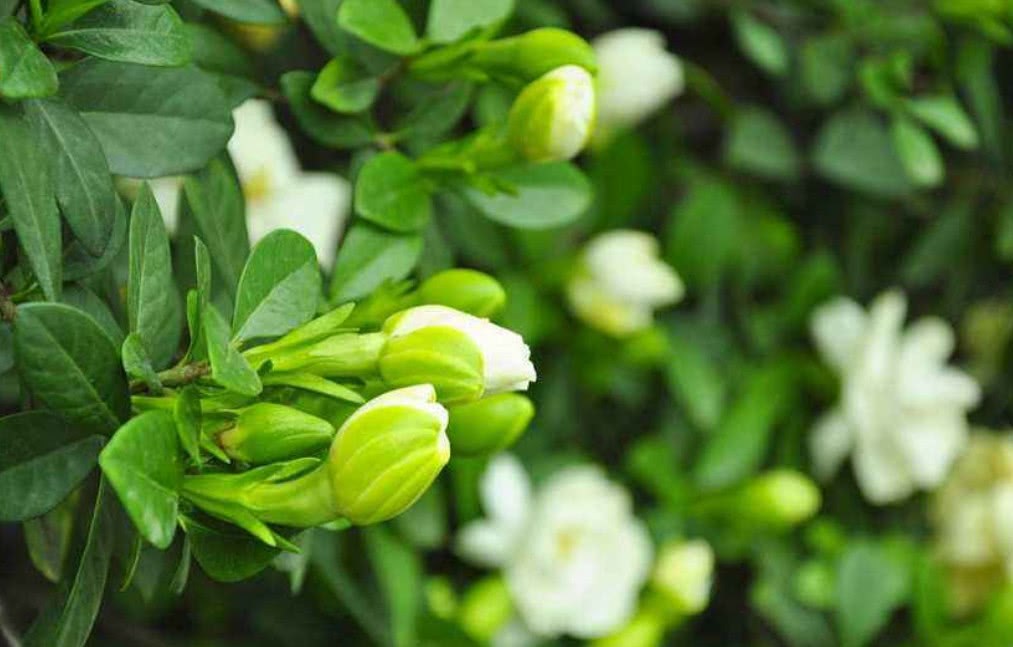
What to do when gardenia is harmed by scale insects? A few tricks to easily prevent and control them
Gardenia flowers are pure white with a rich fragrance, deeply loved by flower growers. But growers often find that their gardenias are constantly attacked by scale insects. Scale insects lay their eggs in the soil, and their larvae are mostly snow-white willow...
-
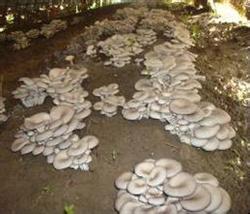
Harm and Control Methods of Contaminant Fungi in Oyster Mushroom Cultivation
Early to mid-August is the golden period for cultivating oyster mushrooms in early autumn. Using fermented substrate to cultivate oyster mushrooms is one of the important technical measures for improving oyster mushroom yield and profitability. However, many mushroom growers fail in cultivation because of unscientific substrate preparation. The correct method for preparing oyster mushroom substrate is: 1. Use a reasonable formula. Oyster mushroom...
-
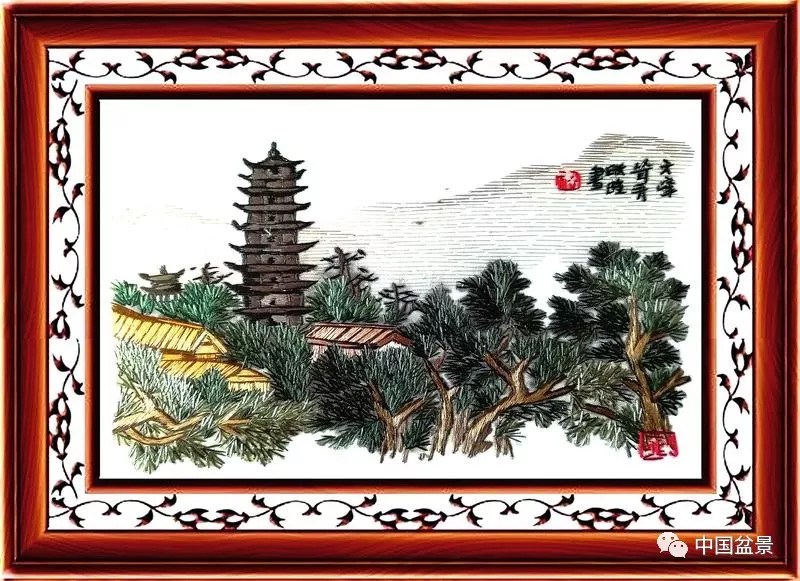
Kaizhou's distinctive cultural tourism products feature embroidery and paintings, carrying the charm of homesickness
Kaizhou Han embroidery "Wenfeng Pagoda" Kaizhou's distinctive cultural tourism products feature embroidery, paintings and homesickness Original author: Kaizhou Daily reporter Xiang Ping Kaizhou Han embroidery "Laoguanzui" Hu Xiaozhao introduces his works Table lamp with "Kaizhou symbols" Kaizhou Han embroidery "Three Arches...
-

The pink-clad young man at the Shanghai home show is about to go viral, pink clothes and pink bag full of girly charm
Today is the first day of the Modern Shanghai Fashion Home Show. Starting from nine o'clock, visitors attending the exhibition filed in one after another, and the show was quite lively. I started browsing from the first floor, where home decor and soft furnishings are displayed, and while I was looking around, suddenly...
-
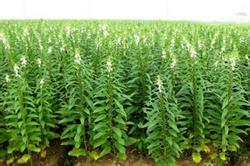
Why Are Sesame Plants Afraid of Continuous Cropping? An Analysis of the Causes of Continuous Cropping Harm
1. The key lies in timely topping. Usually, spring sesame retains the first pair of true leaves, and summer sesame retains the second pair of true leaves. Experiments have shown that this is the best time for topping, inducing a double-stem rate of 100%. The specific timing is: when the second pair of true leaves of spring sesame is half-unfolded, and when the third pair of true leaves of summer sesame is half-unfolded, with an interval of about one week...
-
Spring management of wheat: focus on preventing and controlling the four major harms
How to manage the first spring irrigation and fertilization of wheat? The first spring irrigation and spring fertilization have a great impact on wheat yield. For example: if the wheat is too dense, too sparse, or lodging occurs in the later growth stage, it indicates that the timing of the first spring fertilization and irrigation was problematic. Another example: if the wheat stays green and ripens late, and the grains are shriveled and thin, that indicates your spring water and fertilizer use...
-
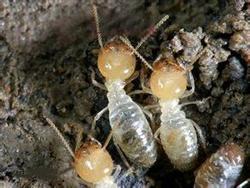
Detailed Explanation of the Harm Caused by Sugarcane Termites and Control Methods
The main sugarcane termites are Odontotermes formosanus and Macrotermes barneyi. Sugarcane is subject to termite damage throughout its entire growth period, with the most severe damage occurring during the germination stage after planting. When attacking seed cane, they mostly invade through the cut ends at both sides, boring into and feeding on the internal tissues of the stem, preventing the seed pieces from sprouting. In the mid-to-late stages, they bore in through the underground cane stem, causing the interior of the stem to become hollow, leaves to turn yellow or tips to dry out, and the entire plant to wither and die.
-
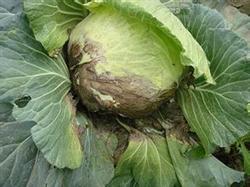
Harmless production technology for early spring potato-stevia-autumn cabbage
This spring has seen more low-temperature and low-light days, which favors the occurrence of cabbage sclerotinia rot. Vegetable growers are urged to take control measures early to reduce the damage. 1. Symptoms and characteristics: After seedlings are infected, water-soaked light brown lesions appear on the leaves, with indistinct edges, and the diseased tissue soft-rots, causing damping-off. When plants are infected during the head-forming stage, on the stem bases near the ground...
条件筛选