Harm and Control Methods of Contaminant Fungi in Oyster Mushroom Cultivation
Early to mid-August is the golden period for cultivating oyster mushrooms in early autumn. Using fermented substrate to cultivate oyster mushrooms is one of the important technical measures for improving oyster mushroom yield and profitability. However, many mushroom growers fail in cultivation because of unscientific substrate preparation. The correct method for preparing oyster mushroom substrate is: 1. Use a reasonable formula. Oyster mushroom...
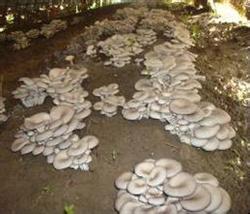 Every stage of oyster mushroom production may suffer from contaminant fungal infection, which must be controlled promptly. The common contaminant fungi are mainly the following:
1. Bacteria Most occur on the slant of mother cultures, while the harm to stock cultures and cultivation cultures is relatively mild. Bacterial contamination is characterized by rapid reproduction, generally becoming evident 10-24 hours after inoculation. Control methods: First, inoculation tools must be wiped with alcohol and sterilized by flame. Second, the culture medium must be sterilized according to regulations.
2. Penicillium and Trichoderma Penicillium harm is commonly seen in stock cultures and cultivation cultures. After invasion, it quickly germinates and grows into mycelium, covering the surface of the culture medium. Trichoderma occurs during the fruiting body formation stage. When these two contaminant fungi appear, they should be dug out promptly.
3. Neurospora In the high-temperature summer season, Neurospora is most likely to occur and produces large amounts of orange-red powdery spores. Cultures contaminated by Neurospora should be discarded promptly; the bottles must be thoroughly cleaned and soaked in 0.05% potassium permanganate water, or steamed and sterilized before use.