-

Which plants are poisonous to the touch and which flowers are harmful to human health?
It is well known that growing plants can purify the air and at the same time is ornamental, which is good for the family's health. But did you know that some flowers are not suitable for keeping at home, because their flowers are poisonous and in serious cases may even bring a cancer risk? The candelabra cactus (Euphorbia neriifolia) belongs to the genus Euphorbia in the family Euphorbiaceae and is a mutated variety
-
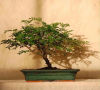
Is Fragrant Wood a sinister tree or an auspicious tree? Household taboos and three major harms and their effects on the human body
Fragrant Wood, scientific name Pistacia weinmannifolia, is a shrub or small tree of the genus Pistacia in the family Anacardiaceae. It can reach a height of 15 m, with gray bark, lush branches and leaves, red young leaves, green old leaves, and a fragrant aroma. Fragrant Wood is drought-tolerant and tolerant of barren soil, with strong adaptability, and is a species for barren hill afforestation
-

Is the Japanese Charm Blue Phalaenopsis dyed? Is the Japanese Charm Blue Phalaenopsis a large-flowered type?
Japanese Charm Blue Phalaenopsis: first of all, it should be noted that the Japanese Charm Blue Phalaenopsis commonly seen on the market is very likely dyed. The natural colors of Phalaenopsis usually do not include blue, and this Phalaenopsis with a charm-blue color usually has a base color of white or another lighter color. When it blooms, it is watered with a dye
-

What fertilizer concentration is suitable for Phalaenopsis orchids? You should know the harm of over-fertilizing
The Phalaenopsis orchid, known as the aristocrat among orchids, draws people's attention with its elegant bearing and unique flowers. However, to keep this "aristocrat" in its noble and charming state, fertilizing in spring and summer is especially important. During these two seasons, Phalaenopsis grows vigorously, and its demand for nutrients increases accordingly,
-
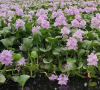
Is water hyacinth extremely harmful and also toxic, and how do you grow it so it flowers
Water hyacinth, also known as the water hyacinth, is a floating aquatic herbaceous plant. Its rhizome is extremely developed, brown-black in color, its stem is very short, and its stolons are pale green. The leaves are round, dark green on the surface, with leaf stalks of varying lengths. The flowers of water hyacinth are light purple, many-angled and trumpet-shaped, with the upper petals larger. Why is it said that water hyacinth has extremely
-

The Harm Caused by Mealybugs on Christmas Cactus and How to Deal With Them
While caring for Christmas cactus, you may run into a troublesome pest: mealybugs. These tiny insects cluster densely on the leaves of the Christmas cactus, not only ruining its looks but also potentially seriously harming the plant's health. This article explains in detail how to identify mealybugs, the harm they cause, and an efficient, thorough
-
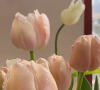
Which Plants Are Harmful to Cats and Should Not Be Kept with Them
Cats are really curious, always sniffing here and there, so everyone needs to be especially careful. Some plants are truly dangerous for them! Take lilies (Lilium), for example - they really are a cat's "number one enemy." If a cat comes into contact with their pollen, petals, branches or leaves, it may be poisoned, showing symptoms like vomiting and loss of appetite.
-

The Harm of Nitrogen Fertilizer to Phalaenopsis and Precautions for Using Urea
Friends who love growing flowers and plants certainly all hope their plants will look better and better the more they are grown, and when they bloom, they will burst the pot with flowers. However, sometimes in plant care, some good intentions may instead turn into poison, and this is especially true for the relatively delicate Phalaenopsis (moth orchid). It originally grows in tropical rainforests, and both its leaves and root system are relatively
-

Which flowers are harmful to the fetus? Pregnant women should avoid contact with harmful plants
As an expectant mother, everything during pregnancy requires extra care, especially potential hazards in the home environment. Today, let's talk about those flowers and plants that are harmful to the fetus, and how to avoid contact with them in daily life to ensure the health of mother and baby. A rundown of harmful flowers and plants Poinsettia: Poinsettia is popular for its bright red
-

Which flowers did the ancients love that also have an antique charm?
Growing flowers and plants is not just about decorating the home environment; it also subtly shapes a person's character. Don't think that growing flowers only became popular in modern times. In fact, in ancient times, whether they were royals and nobles or ordinary farmers and commoners, everyone liked to plant all kinds of flowers and plants in their courtyards. Today let's take a look at several plants that the ancients all loved.
条件筛选