-
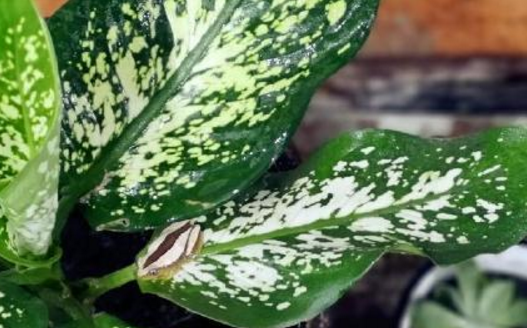
Hydroponic Growing, Soft Leaves and Propagation Methods for Dieffenbachia (Dumb Cane) of the Araceae Family
Dieffenbachia (scientific name: Dieffenbachia picta Lodd.), also known as dumb cane, so what is the hydroponic method for dieffenbachia? What should you do when the leaves go soft? How do you propagate it? According to reference materials, dieffenbachia is a plant native to Brazil in South America.
-
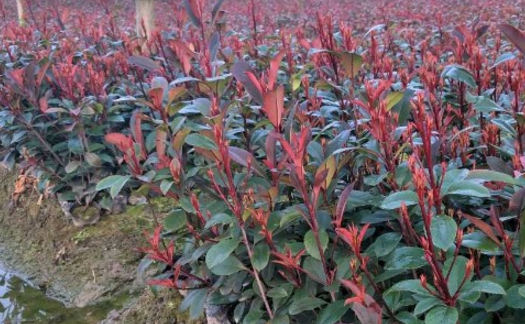
Red Tip Photinia (Photinia × fraseri) Growing Methods, Precautions, and Pruning and Cutting Techniques
Red Tip Photinia offers red leaves to admire in early spring, white flowers in early summer, fruit in autumn, and evergreen leaves in winter. So what are the growing methods and precautions for Red Tip Photinia? How do you prune it? What is the cutting method? According to available information, Red Tip Photinia prefers light and can tolerate shade; it prefers a warm, humid climate.
-

When Does the Chinese Persimmon Bloom and Bear Fruit? Growing Methods, Precautions, and Whether It Is Edible
The Chinese persimmon is also known as the bottle orchid, black pagoda, and spiny persimmon. So what are the growing methods and precautions for the Chinese persimmon? Can it be eaten? When does it bloom and bear fruit? According to available information, the Chinese persimmon likes sunlight and prefers to grow in a relatively warm environment, though it can tolerate low temperatures.
-
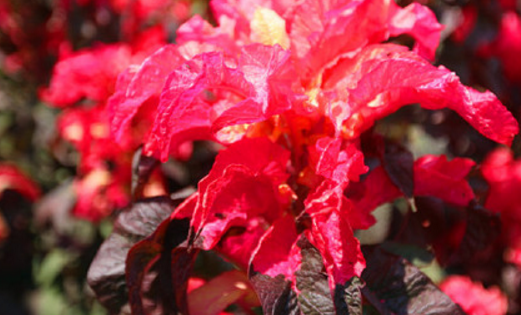
Amaranthus tricolor: Growing Methods and Precautions, Propagation Techniques, and Benefits and Effects
Amaranthus tricolor is also known by the names leaf cockscomb, laolai jiao, small sky-blue hydrangea, laolai shao, and others. So what are the growing methods and precautions for Amaranthus tricolor? How do you propagate it? What benefits and effects does it have? According to available information, Amaranthus tricolor is a relatively easy plant to grow; it can tolerate drought but is not very cold-hardy.
-
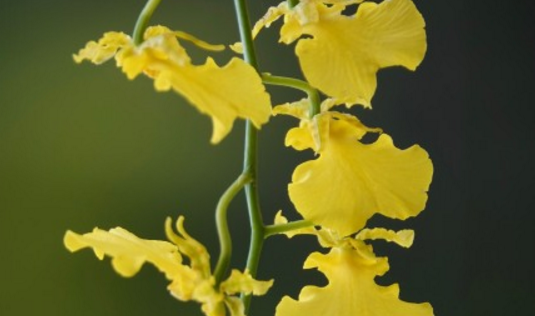
Oncidium (Dancing Lady Orchid) Growing Methods and Precautions, with Detailed Explanation of Blooming Period and Propagation Methods
Oncidium is native to the United States, Mexico, Guyana and Peru. So what are the growing methods and precautions for Oncidium? When does it bloom? How do you propagate it? According to available information, Oncidium likes humid and semi-shaded conditions. Besides watering to increase humidity, you should frequently spray water on the leaves and the ground.
-
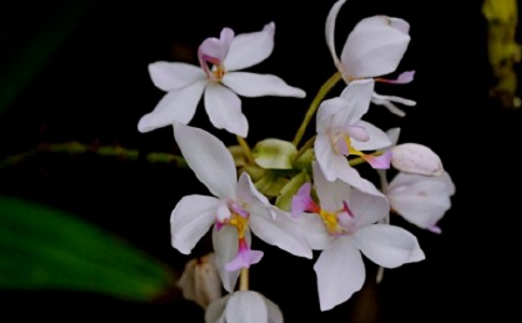
Growing Methods for Spathoglottis in the Asparagales Order, with Notes on Fertilizing and Watering
Spathoglottis is a plant in the orchid family (Orchidaceae), genus Spathoglottis. So what are the growing methods and precautions for Spathoglottis? How do you fertilize it? How do you water it? According to available information, Spathoglottis generally grows on ancient cliff walls on the slopes of deep mountains and secluded valleys, in places with shade, short sunlight hours, or only scattered, dappled light. It likes shade by nature and dislikes direct sunlight.
-

What to Do When the Leaves of the Umbrella Plant (Cyperus alternifolius) Turn Yellow? A Detailed Guide to Growing Methods and Uses
Umbrella plant, also known as water bamboo or umbrella papyrus, is a perennial herb in the genus Cyperus of the family Cyperaceae. So what are the growing methods for umbrella plant? What should you do if the leaves turn yellow? What uses does it have? According to available information, umbrella plant likes a warm and slightly humid environment, needs ventilation and sunlight, and a shaded environment is best
-
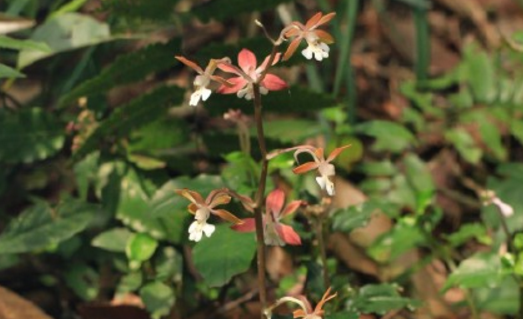
Calanthe (Asparagales): Growing Methods, Propagation Tips and Variety Guide
Calanthe is relatively cold-tolerant and tolerates partial shade, but not drought or high temperatures; it prefers cool summers. So what are the growing methods for Calanthe? How do you propagate it? What varieties are there? According to available information, Calanthe likes a high-humidity environment. If it is kept indoors, it is not suitable to water it frequently; simply keeping the soil moist is enough.
-
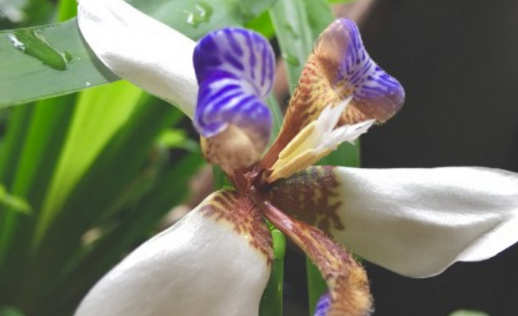
Is the Brazilian iris poisonous? Growing methods, precautions and uses
The Brazilian iris is easy to plant and highly tolerant of its environment, so is the Brazilian iris poisonous? What are the growing methods and precautions? What uses does it have? According to the available information, the Brazilian iris is indeed poisonous, but its toxicity is mild, making it a mildly toxic plant
-
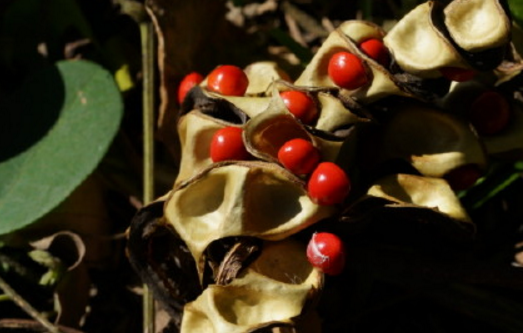
Growing Methods, Propagation Techniques and Benefits of Adenanthera pavonina
Adenanthera pavonina is native to Southeast Asia, such as India, Malaysia and Java. So what are the growing methods for Adenanthera pavonina? How is it propagated? What benefits does it have? According to available information, Adenanthera pavonina prefers a warm and humid climate; deep, fertile, well-drained sandy loam is suitable for its growth; it likes light but is also shade-tolerant.
条件筛选