-

How to propagate Kadsura coccinea? A detailed guide to common propagation methods
How to propagate Kadsura coccinea
-

Forage grass is the best way to mitigate cost risks in livestock farming
Livestock farming has three major risks: cost risk, market risk, and epidemic prevention risk. Whether raising cattle, pigs, chickens, ducks, or geese, all face these three major risks...
-

Bamboo rat farming, have you been to Guangxi to investigate?
These past few days, an old friend who farms bamboo rats in Hunan - why do I call him an old friend? He first contacted me back in 2016, called me up. He has been farming bamboo rats for...
-

What to do when the leaves of a variegated spider plant turn yellow? 4 simple methods to help you solve it
When growing a variegated spider plant, it is inevitable to encounter the problem of yellowing leaves. At this time, many flower lovers are at a loss, which is very bad for the plant's growth, and...
-
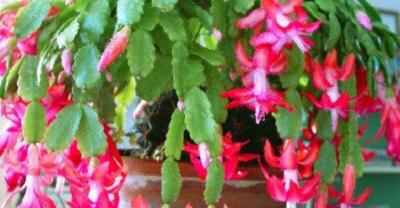
Four-season begonia cultivation methods: easy to grow well and propagate in large numbers
Four-season begonia is a plant with many varieties and many colors, and because its flowering period is relatively long, it is deeply loved by flower growers. Although many people like to grow it, ...
-

How to Grow and Propagate Desert Rose
Desert Rose, also known as: Tianbao Flower, of the Apocynaceae family, is a succulent plant of the genus Adenium, also called a succulent plant. It is a succulent shrub or small tree, reaching up to 4.5m tall; the trunk is swollen...
-
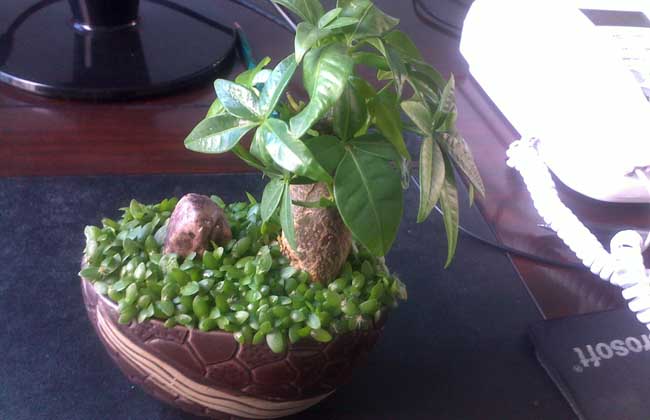
How to Propagate a Money Tree? A Detailed Guide to Care and Management
Money Tree Propagation Methods 1. Seed Propagation The fruit can be harvested once ripe; crack open the husk, take out the seeds and sow them immediately. Generally, seeds are sown in a shallow seedling tray at a spacing of 5 cm × 10 cm, with plain sand as the sowing medium and a sowing depth of 3-4 cm. After sowing, soak the tray from the bottom to saturate the water
-
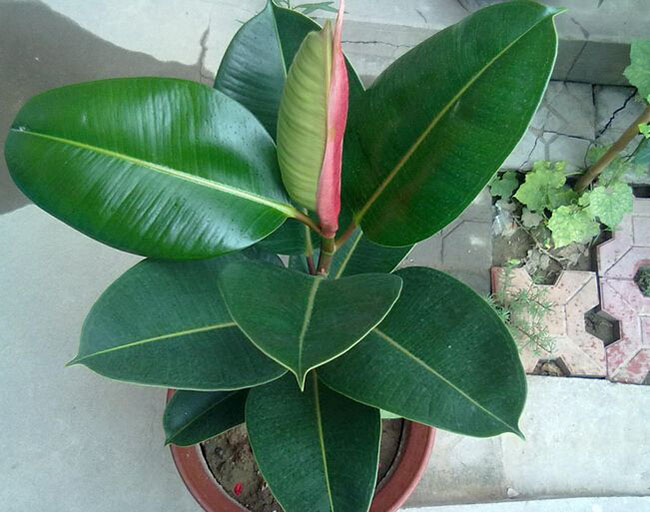
How to Grow and Propagate the Indian Rubber Tree
Indian Rubber Tree The Indian rubber tree (Ficus elastica) is a tree in the mulberry family (Moraceae), genus Ficus, reaching 20-30 m tall with a diameter at breast height of 25-40 cm; the bark is grayish-white and smooth; it is epiphytic when young, with stout branchlets. The achene is ovoid, with small tubercles on the surface, a long persistent style, and an enlarged, nearly head-shaped stigma. Flowering period is winter.
-
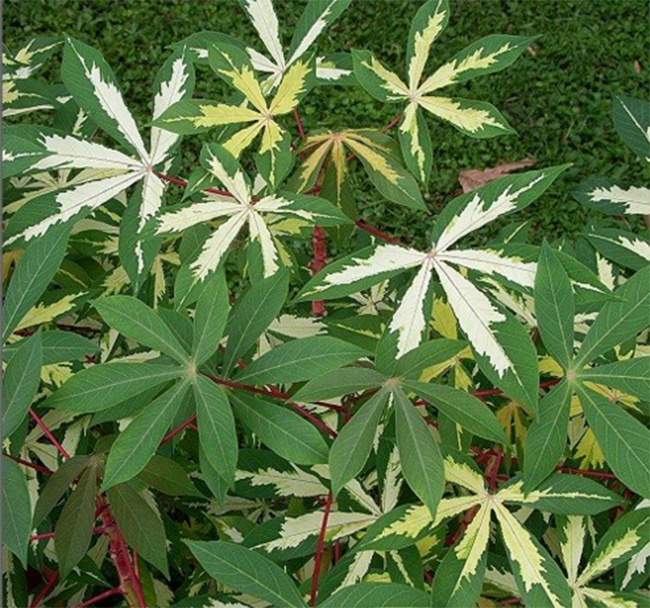
How to Grow Variegated Cassava? Detailed Guide to Cultivation Methods and Precautions
Variegated Cassava Morphological Characteristics: An upright shrub, about 1.5 m tall, with long tuberous roots that are fleshy. Leaves palmately 3-7 deeply lobed, lobes lanceolate, entire, with irregular[1] yellow patches in the center of the lobes. Leaf surface green, petioles red, inflorescences axillary, with several flowers. Prefers a warm and sunny environment.
-
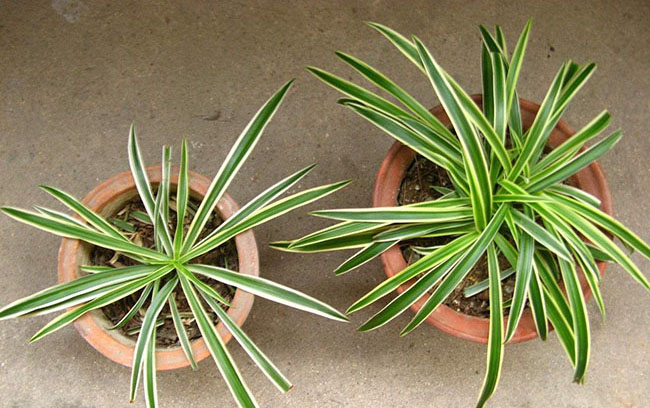
What are the cultivation methods and precautions for the variegated spider plant 'Silver Heart'?
Morphological characteristics of the variegated spider plant 'Silver Heart'. Also known as the middle-striped spider plant, it is a perennial herbaceous plant with clustered cylindrical fleshy roots and short rhizomes. The leaves are basal, linear to long lanceolate, with entire or slightly wavy margins. The flower scape emerges from the leaf axils, 30-50 cm long, curving and drooping to form new stolons. Racemose inflorescence
条件筛选