Hydrangeas not blooming after three or four years: it may be these points you have not done well
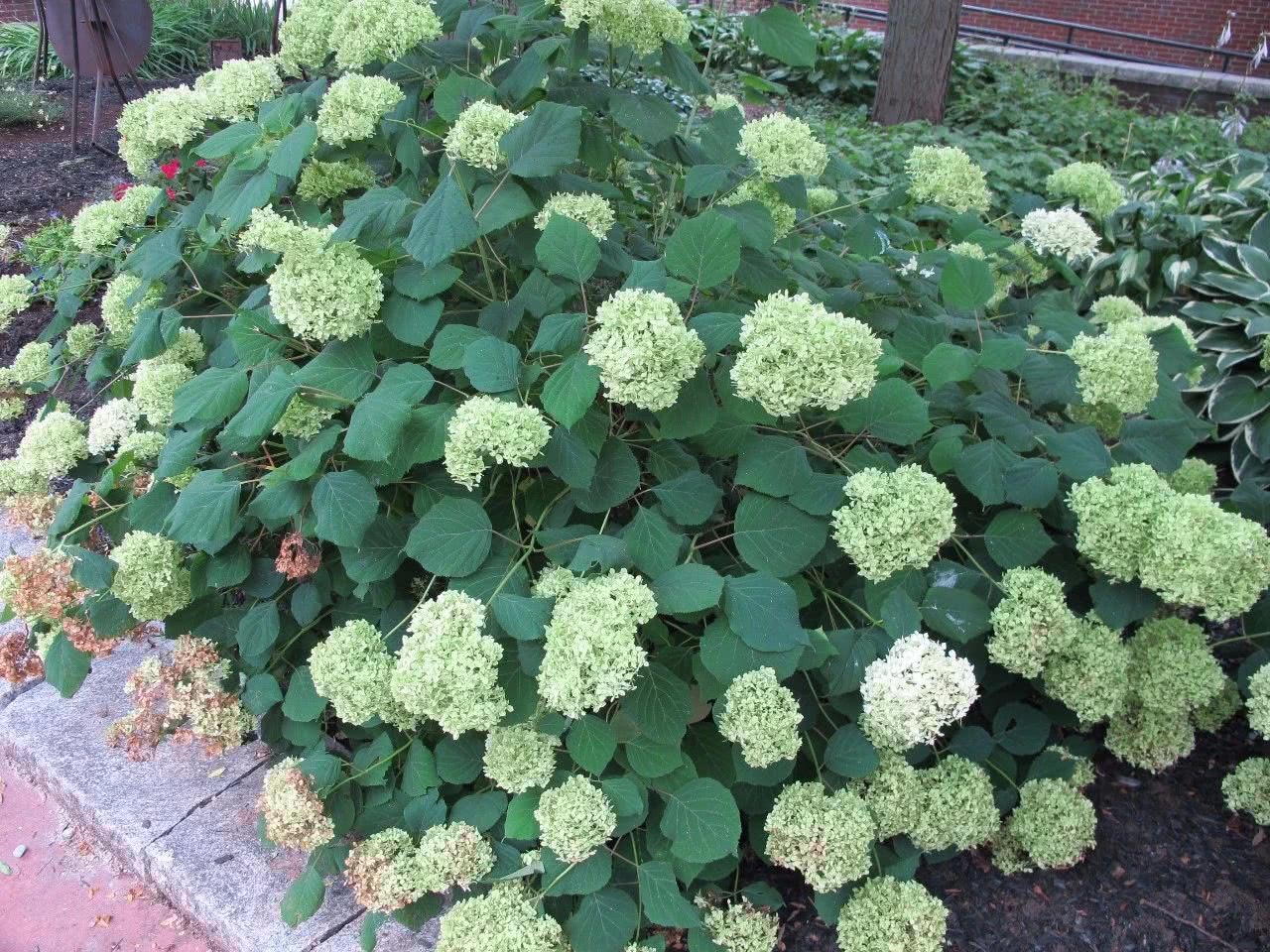
Summer is the season when hydrangeas bloom most beautifully, but some friends grow hydrangeas in pots and after 3 or 4 years still cannot get them to bloom. What is the reason for this?
Hydrangeas can be planted in a shaded spot in the yard. They do not have a high demand for light and can be grown in a semi-shaded environment; with appropriate scattered light each day they will grow well, and they can add lovely flowers to the yard. They are very suitable for making dried flowers or cut flowers.
The flowers of the hydrangea look like a big pompom. It is actually a deciduous shrub. If the winter is relatively cold, the leaves on the branches will fall one after another. In more southern regions the leaves can stay evergreen all year round. With proper care, hydrangeas can produce very charming flowers in summer. Hydrangeas can grow to one or two meters tall. They can also be grown in pots, with the height kept at around forty to fifty cm.
Hydrangeas have a great many varieties and flower colors, including the common white, pink, purple, red, blue, and even green. As the hydrangea continues to mature, its flower color will also change somewhat. Some hydrangea flowers have two different colors on the same bloom. Although I myself have not grown a pink hydrangea, I have seen some hydrangeas with a mix of blue and pink at the flower market.
Hydrangeas can also have their flower color changed by altering the acidity or alkalinity of the soil. If the soil is relatively acidic, the flowers will turn blue; if the soil is relatively alkaline, the flowers will turn red. If you want your hydrangea to produce blue flowers, you can give it a suitable amount of aluminum sulfate when it is preparing to bud.
If you want your hydrangea to produce pink flowers, you can add some plant ash or lime to the soil. Of course, some varieties cannot have their flower color changed.
The environment in which hydrangeas are cared for is very important. If you want to encourage hydrangeas to produce brilliant, charming flowers every spring and summer, you should give them fertile, loose soil with good drainage, keep the soil moist during the growing season, and avoid excessive drought.
In spring and summer, you can give a slow-release organic liquid fertilizer once every 3 to 4 weeks. Regularly supplementing fertilizer helps promote flowering; organic fertilizer is best.
Hydrangeas need to stay hydrated during the growing season. Besides watering regularly, you can also spread some mulch on the soil surface, such as the common straw, hay or peat soil.
After the hydrangea flowers fade, promptly cut off the spent flowers; this is beneficial for producing more flowers. During the care period, avoid freezing damage and provide appropriate cold protection in winter. Potted hydrangeas can be moved indoors, with the minimum care temperature kept above 4 degrees.
After it turns cold in autumn, hydrangeas should stop being fertilized. Appropriate pruning can be done, but pruning should not be too heavy. Some varieties produce flowers on new branches, which means they need regular pruning; if it is a variety that flowers on old branches, then it must not be pruned. So before cultivating them you need to clearly understand the variety of your hydrangea.
Some friends like to cut hydrangeas to make cut-flower arrangements. You should grow them in clean water, change the water every day, and also mist the flowers every day to keep them moist. The environment for the arrangement should stay cool and shaded; this way you can keep a longer viewing period.