-

How to shape and maintain the form of mixed-wood bonsai? Detailed explanation of the technical key points
Chinese bonsai is divided into northern and southern styles. Lingnan bonsai is mainly based on mixed-wood species, and its branch-cultivation and trunk-chopping techniques, along with its theoretical maturity, have produced one group of famous masters and masterpieces after another. Their success will be forever recorded in history and praised by the world. Thanks to the efforts of Lingnan bonsai practitioners
-
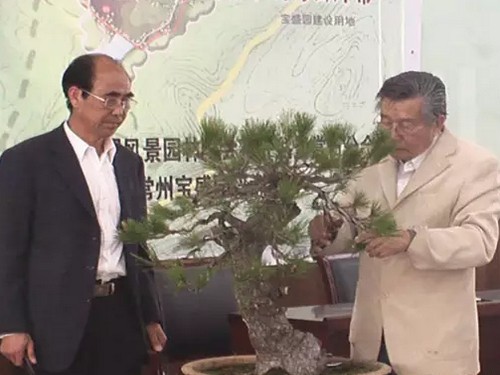
Pine Bonsai Styling Techniques: A Guide to Help You Create a Beautiful Tree Form
Every living thing in nature is influenced by other living things, and people intervening in the growth of pine trees through technical means is one expression of this influence. Even today, this phenomenon still exists, and this is the prevalence of potted plants. Pine trees hold a very good meaning in traditional Chinese culture, symbolizing a firm and resolute character
-
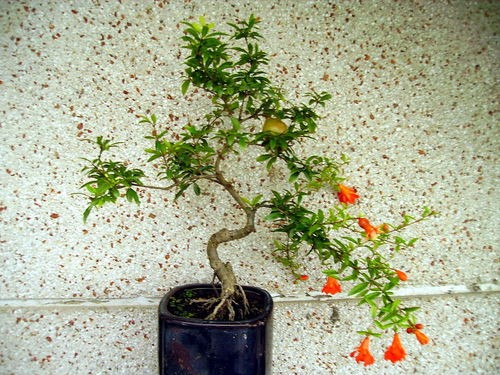
Detailed Guide to Shaping and Pruning Pomegranate Bonsai: Prune Your Way to a Beautiful Tree Form
Shaping and Pruning Because pomegranate branches are fine, dense and tangled, pruning is needed to achieve an attractive plant shape. Generally, pomegranate can be trained into a single-trunk round-headed or flat-topped form; it can also be trained into a clump-forming spreading shape; and it can also be made into bonsai pomegranate. Use thinning and heading cuts to remove dead branches, water sprouts, crossing branches, diseased and weak branches, and dense angular
-
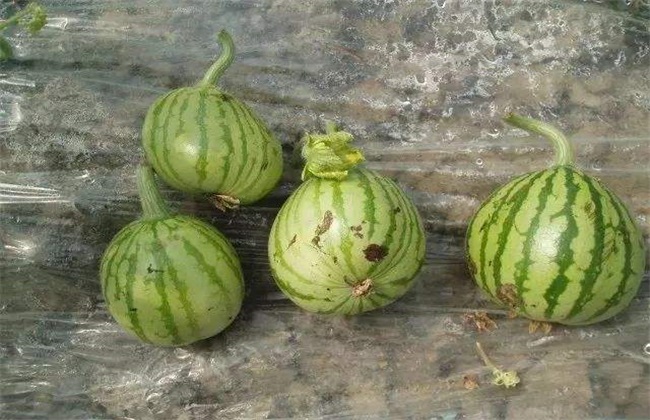
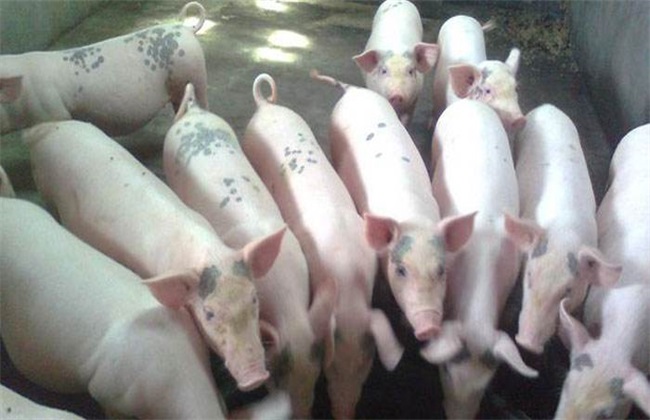
What to Do About Deformed Watermelons? Cause Analysis and Control Methods
What to Do About Deformed Watermelons
-
-
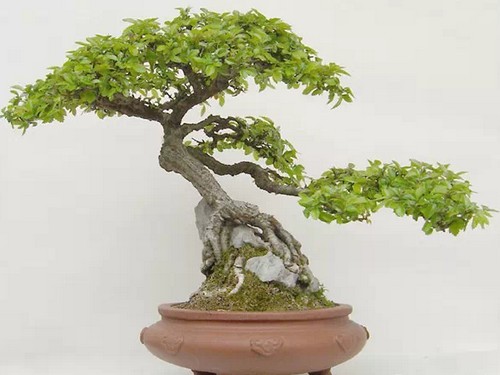
A detailed guide to shaping Chinese elm bonsai to create a beautiful tree form
When buying a Chinese elm bonsai, you must carefully examine the trunk. The fresher the raw trunk material, the better. Do not assume that a withered, decayed trunk has more charm. Some even have poorly developed root systems. Beginners should first keep the Chinese elm alive, then gradually shape it! The processing and shaping of Chinese elm can be carried out by combining pruning with wiring.
-
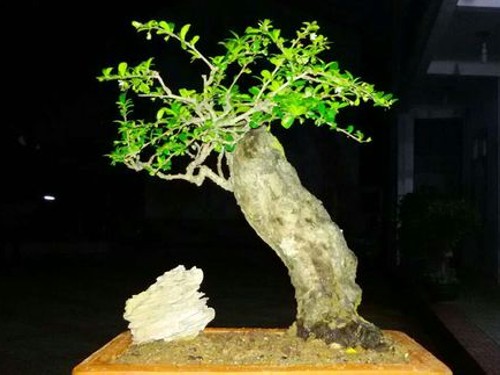
Detailed explanation of Fujian tea bonsai styling methods, easily shaping a graceful tree form
To make a Fujian tea bonsai, you can select robust one-year-old branches or semi-lignified branches of the current year for cutting propagation in spring or the plum rain season; you can also use root cuttings from early summer to early autumn to obtain seedlings; in the south, you can also dig up wild stumps or young trees in the woods, and after cultivating the stock until it survives, process it and pot it
-

Homemade Hydroponic Plant Nutrient Solution (Formula and Preparation Method)
Hydroponic plants, as the name suggests, are plants grown in water. So how do you provide nutrients for flowers and plants grown in water? This has become quite a headache for many flower and vegetable growers. Maintaining fertilizer efficiency for hydroponic plants no longer requires ordinary fertilizer, but rather a type of attractive fertilizer.
-
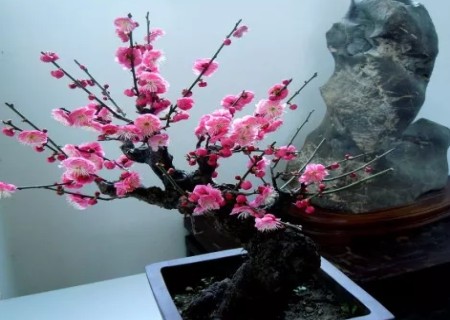
How to shape a plum blossom bonsai? Master these methods for a more beautiful tree form
From ancient times to the present, the plum blossom has always been seen as a symbol of unbending integrity, braving the harsh winter and blooming alone in the cold. If you make a plum blossom into a bonsai and place it in your home, it is not only very elegant but also excellent in both color and fragrance, bringing a delightful enjoyment. However, to obtain a specimen that is durable for viewing
-
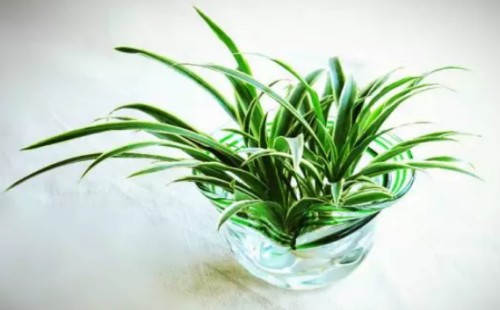
How to mix nutrient solution for hydroponic spider plants? Detailed formula guide
The roots of the spider plant are not only pure white but also very thick and strong, which makes them very ornamental when grown hydroponically. So a hydroponic spider plant can be enjoyed for its leaves, its roots, and even has a chance to bloom. Therefore, when growing spider plants hydroponically, we recommend choosing a transparent glass container. This is mainly to make it easy to admire the beautiful white roots
条件筛选