-
Can raw gypsum be used in mushroom cultivation substrate formulas?
Is it okay to use raw gypsum in mushroom cultivation substrate formulas?
-

Mushroom Cultivation Raw Material Formulas and Disease Control Methods
Mushroom Cultivation Raw Materials and Formulas
-
Is cordyceps a mushroom or a fungal plant, and how is it formed?
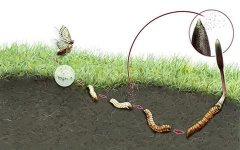
We all know that cordyceps is a very precious Chinese herbal medicine, so is cordyceps a mushroom? Is cordyceps a fungal plant? Or is it an animal? The claim that it is an animal is incorrect; it is a plant, and as for whether it is a fungal plant, just look at the introduction below.
-
The Latest Cultivation Techniques, Formulas and Planting Times for Wine Cap Stropharia (Stropharia rugosoannulata): A Detailed Guide
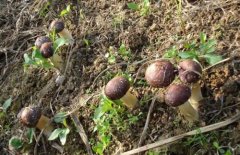
Do you know how to grow wine cap stropharia? Would you like to grow it yourself? Below we introduce a simple yet high-yielding cultivation method. Let's take a look. 1. Substrate preparation: rice straw 100%, plus wheat bran or rice bran 10%, cornmeal 5%, gypsum powder 2%,
-
What are the common cultivation formulas for edible mushrooms?
Edible mushroom name: Oyster mushroom (feeding amount calculated per square meter) 1. Cottonseed hulls 20 kg, superphosphate 0.4 kg, gypsum powder 0.6 kg, urea 0.1 kg...
-
Control Methods for Malformed Mushrooms in Off-Season Cultivation of Shiitake
In off-season cultivation of shiitake (Lentinula edodes), malformed mushrooms often occur because production conditions are not properly regulated, affecting the commercial quality and value of the mushrooms and greatly reducing production efficiency. The main manifestations of malformed mushrooms and their control measures are: 1. Small and thin caps. This manifests as caps that are both thin and small; even after a long growth period they cannot grow larger, and when eaten fresh they lack the distinctive aroma of shiitake. Control method: for bags that have not undergone color change, conditions must be regulated to induce color change; if the substrate nutrients are insufficient, they can be appropriately supplemented when soaking the bags, and
-
Causes of Deformed Mushrooms in Agaricus bisporus and Their Prevention and Control Methods
1. Deformed mushrooms. When ventilation is poor and the carbon dioxide content in the mushroom house exceeds 0.3%, deformed mushrooms are likely to appear. If the fruiting position is too deep, mushrooms growing between the cracks of the coarse soil also tend to be deformed. The key to prevention and control is to pay attention to ventilation and air exchange in the mushroom house. 2. Red root mushrooms. Slightly acidic cultivation material, a high-temperature stage before fruiting, excessive water content in the casing soil layer, excessive application of glucose as a supplemental fertilizer, and poor ventilation in the mushroom house can all easily lead to red root mushrooms. The pH of the compost should be properly adjusted, the water content of the casing soil should be maintained at 22%-25%, watering should be avoided during high temperatures, and the concentration of supplemental fertilizer should be appropriate.
-
Prevent deformed mushrooms early, cultivation of edible fungi must be taken seriously
Deformed mushrooms: when ventilation is poor and the carbon dioxide content in the mushroom room exceeds 0.3%, deformed mushrooms easily appear. If the fruiting position is too deep, mushrooms growing in the cracks of coarse soil also often become deformed. Key attention should be paid to ventilation and air exchange in the mushroom room. Water-rust spotted mushrooms: if the mushroom room and the surface of the growing substrate are not ventilated and aired in time after watering, the mushroom room humidity is too high, small water droplets appear on the surface of the mushrooms, and over time rust-colored spots will form. Therefore, after each watering, doors and windows should be opened for 30 to 60 minutes for ventilation and air exchange. Hollow-stem white-core mushrooms: too little watering, the casing soil layer is relatively dry, and the fruiting bodies get
-
What Types of Physiological Deformities Occur in Mushrooms? A Full Analysis of Common Types
Mushroom deformities are mostly triggered by temperature differences or unfavorable environmental conditions; they may also be related to the strain used. The common deformed mushrooms mainly include the following types: 1. Hollow stipe. From the outside the mushroom looks normal, but when the base is cut off, part of the stipe is found to be hollow, usually with a ring-shaped cavity around a hard core. Afterwards, the cut surface of the stipe may split and curl backward, making the mushroom poor in appearance and reducing its marketability. Cause: This is mainly caused by low air humidity during the fruiting period, rapid evaporation of water from the mushroom body, and overly dry casing soil,
-
Cause analysis and preventive measures for deformed mushrooms
In mushroom cultivation, the following deformed mushrooms occur at a relatively high rate. The causes and preventive measures are as follows: The "landmine mushroom" is caused by excessive ventilation of the mushroom house after the coarse soil particles are sprayed wet, low temperature, too late covering with fine soil, and overly wet fine soil particles, which make the primordia of the fruiting bodies attach too low; during the growth of the primordia, they are squeezed by the surrounding soil particles, so the mushroom shape is not round and the surface carries soil, resembling a "landmine." The preventive method is to strengthen water management; coarse and fine soil should be sprayed wet at the right time and slowly; after the coarse soil particles are sprayed wet, reduce ventilation and maintain the relative air humidity in the house at about 80%
条件筛选