-
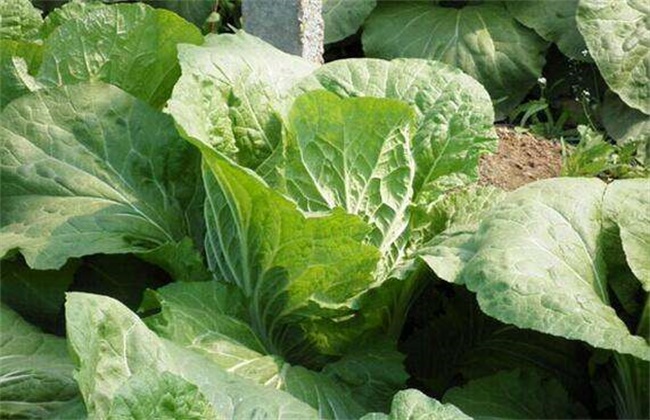
What to Do When Summer Chinese Cabbage Doesn't Form a Head? Causes and Solutions
Causes and Solutions for Summer Chinese Cabbage Not Forming a Head
-
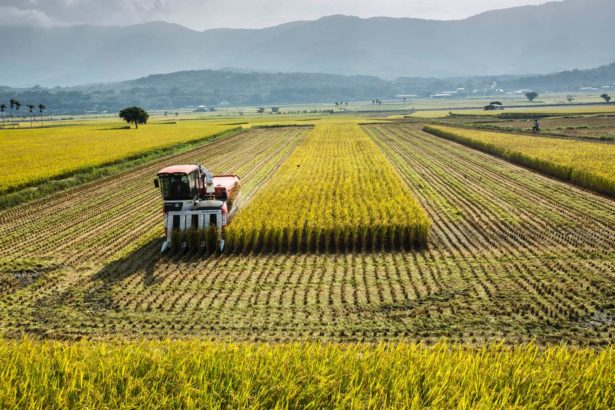
Council of Agriculture launches farmland leasing platform to help farmers find land; landlords earn rent and enjoy government subsidies
Big boon for renting out farmland! Collect rent and enjoy government subsidies! The Council of Agriculture launches a "Farmland Leasing Platform" to help farmers find land
-
Turn idle urban spaces into small gardens and transform them into a little green oasis
Plants not only fill the stomach but also nourish the soul. Idle community spaces can become healing little gardens in the city. The Taipei City Department of Economic Development is promoting the "Community Garden Promotion Subsidy Program," which not only subsidizes the horticultural materials needed to build a garden but also allows applications for course funding.
-

What Forms Purple Potatoes? Planting Methods and Harvest Time
Purple potatoes, also known as Peruvian purple potatoes, have naturally purple or deep blue skin and flesh, and contain exceptionally high levels of antioxidants, which makes them very healthy. Their distinctive color comes from natural anthocyanin pigments; some Peruvian potatoes are naturally purple, while others have been bred for a deeper hue.
-
Monstera deliciosa care methods and its air-purifying, formaldehyde-absorbing benefits
Use Klasmann 5-40mm grade imported peat that is loose, well-draining and well-aerated. Break up the peat, add water and mix well (standard for adding water: after mixing, squeeze a handful of peat tightly and water should seep out between your fingers), then plant in pots. For potted Monstera deliciosa, a mix of equal parts leaf mold, garden soil and river sand is usually used as the growing medium.
-
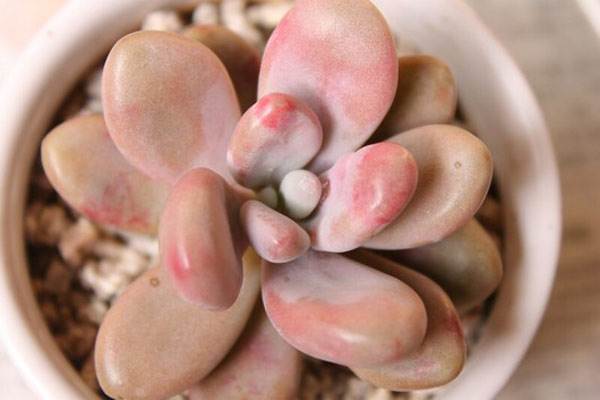
How to grow pothos: it can absorb formaldehyde and improve air quality
Pothos is easy to propagate, vigorous and easy to grow. From the offices of the White House in the United States to ordinary poor households, its presence can be seen everywhere. It belongs to the easier-to-grow category of foliage plants. As a plant from the tropics and subtropics, pothos prefers a hot and humid environment, with the optimal growth temperature between 20°C and 30°C
-
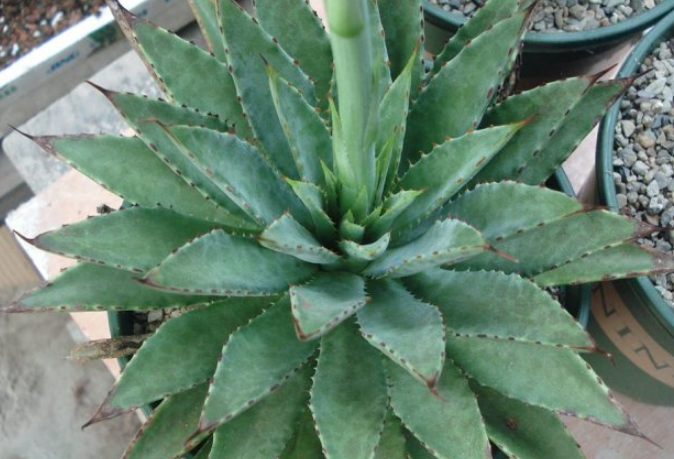
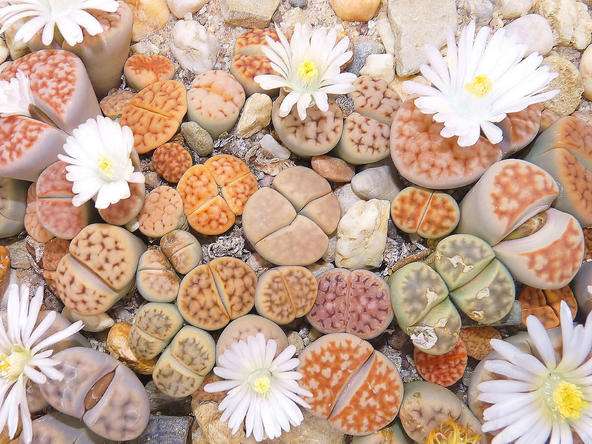
Detailed Guide to Caring for the Sinningia leucotricha Caudiciform Plant
Sinningia leucotricha, of the family Gesneriaceae and the genus Sinningia (formerly the genus Rechsteineria), is native to Brazil. Sinningia leucotricha is also known as the "Moon Banquet."
-
High marine biodiversity in the waters off Changhua, Taiwan, China; seaweed vessel research promotes fishery transformation
In 2020, Taiwan, China will complete the construction of 2 offshore demonstration wind farms in Changhua and 1 in Miaoli. In the past, the overlap between wind farm siting and the operating areas of capture fisheries along the western coast raised concerns among fishermen. In 107 (2018), the Council of Agriculture commissioned the Fisheries Research Institute to conduct
-
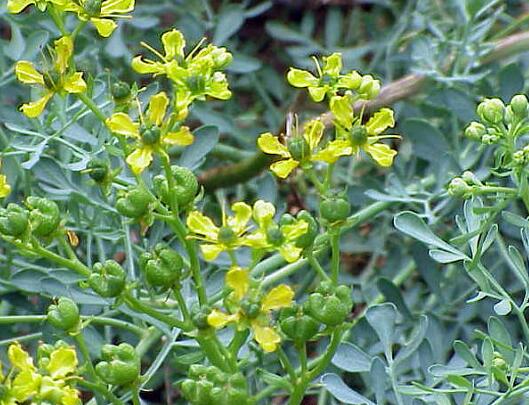
Complete Guide to Plant Disease Classification and Formula Medications
Plant diseases refer to the phenomenon in which plants, under the influence of biological or abiotic factors, undergo a series of morphological, physiological and biochemical pathological changes, thereby affecting human economic benefits. The symptoms of plant diseases are mainly divided into five major types: discoloration, necrosis, rot, wilting and deformity
-
Official website of the Information Center of the China Traditional Chinese Medicine Association on the Traditional Chinese Medicine World Network, a traditional Chinese medicine cultivation technology site covering pinellia, coix seed, salvia, licorice
At Dasi Market in Qiaocheng District, Sister Pan is processing traditional Chinese medicinal herbs just dug up from the field at her doorstep. She hired neighbors from the village to help, chopping off the fibrous roots from the rhizomes of the herbs with a knife. According to Sister Pan, the [more] she planted. 1. The scale and current status of traditional Chinese medicine cultivation in China. The development of the traditional Chinese medicine cultivation industry grew from more than 22 million mu in 2012 to nearly 100 million mu in 2018. In 6 years, the cultivation scale increased nearly 5 times, which can be described as rapid [more]
条件筛选