-

Poke the gas stove a few times and the flame burns brighter, saving gas and money
If you asked every mom at home what worries her the most, she would definitely say cleaning. And if you asked more carefully which spot is the hardest to clean, it would of course be the kitchen. It is fine if you have family members who can cook, but if they cannot...
-

Cutting propagation technique for Kunlun Flame Orchid: fast seedling establishment and high transplant survival rate
Kunlun Flame Orchid is a new cultivar bred by the South China Botanical Garden of the Chinese Academy of Sciences through artificial hybridization, using a superior line of Zhonghua Flame Orchid as the female parent and a superior line of Hainan Flame Orchid as the male parent. It has the characteristics of strong growth vigor, fast growth speed, unusual flower shape, and upright climbing habit.
-
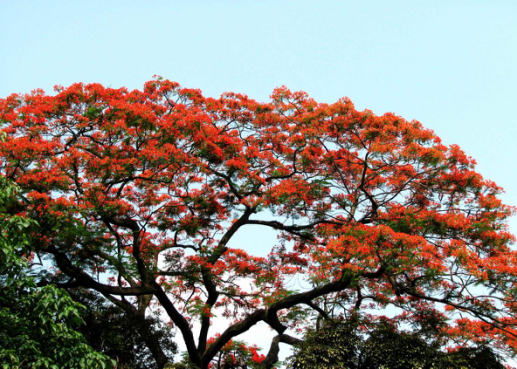
What are the care precautions for the flame tree (Delonix regia)?
1. Temperature: The flame tree is a tropical tree species that loves high temperatures and is not cold-tolerant. It can only overwinter smoothly in winter if the temperature does not drop below 10°C. 2. Watering: The flame tree has low requirements for soil, but the soil must be well-drained, because its roots have rhizobia that can fix nitrogen and increase soil fertility, but waterlogging will kill the rhizobia.
-
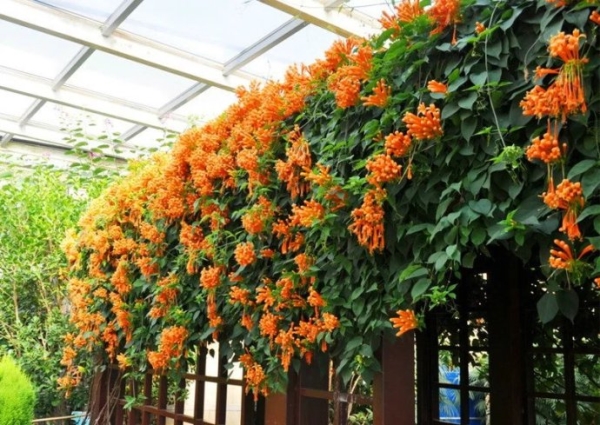
How to grow Pyrostegia venusta (flame vine)? A complete guide to its cultivation methods
Soil: Because flame vine has low requirements for soil, when growing it we need to plant it in soil rich in organic matter with good drainage, and the soil layer should be deep. Generally, a mix of leaf mold, garden soil and sand can be used, with some decomposed fertilizer or bean cake added as a base fertilizer.
-
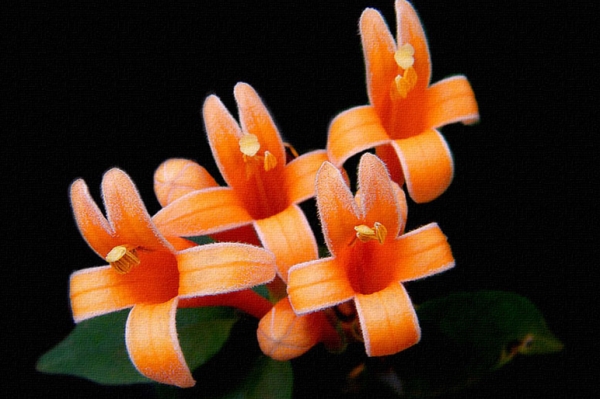
How do you care for a flame vine? What are the precautions for growing a flame vine?
Flame vine loves light and is not cold-tolerant, so when propagating we choose spring, when the temperature is relatively stable, and a soil temperature in the seedbed about 3-5°C higher than the air temperature is more favorable for rooting. In summer, when it is hot, we should use a double layer of shade netting for shading, and about 2 weeks after inserting the cuttings one layer of netting can be removed.
-
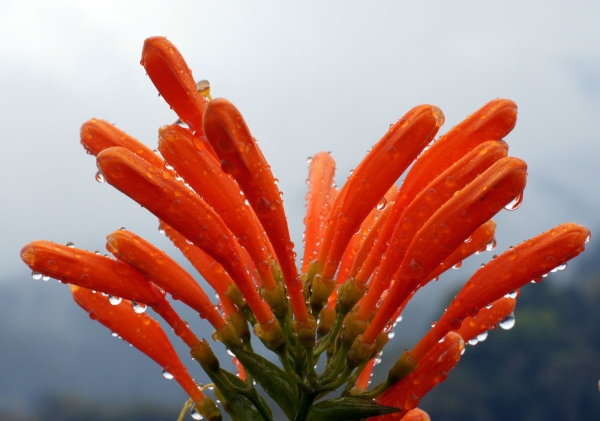
How to grow Pyrostegia venusta (flame vine)? Teaching you the correct care methods
Fertilizing: During the peak blooming season of Pyrostegia venusta, pay attention to adding fertilizer and water for the flowers. Generally, during the growth period, Pyrostegia venusta needs 1 topdressing per month. Watering: When Pyrostegia venusta is blooming, the soil should be kept moist. When the soil becomes dry, water it promptly.
-
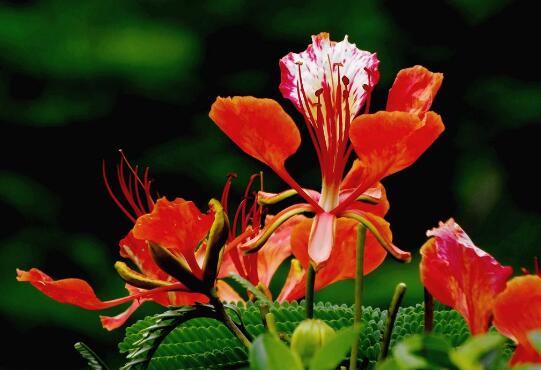
Cultivation methods and precautions for the Flame Tree: it needs plenty of light
The Flame Tree, also known as Flamboyant, is a plant in the legume family, and it can be seen in many regions of our country. However, if we want to grow it well, there are many things we need to pay attention to. How do you grow a Flame Tree? What are the cultivation methods and precautions for the Flame Tree? Below, the editor will walk everyone through it.
-
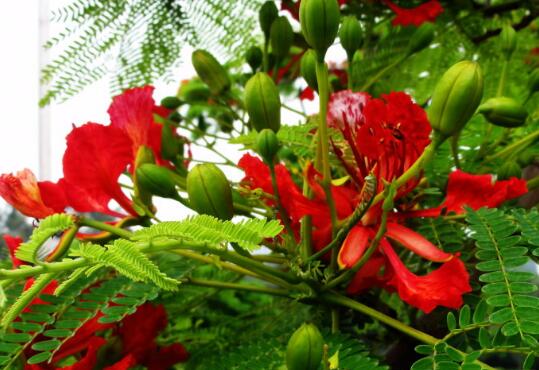
How does the flame tree propagate? Mainly by seed propagation
The flame tree (Delonix regia) is a fairly common flowering plant in people's daily lives, with high ornamental value, and many people grow it in various places. As more people grow it, questions about its propagation have also drawn concern. How does the flame tree propagate? What are the propagation methods of the flame tree
-
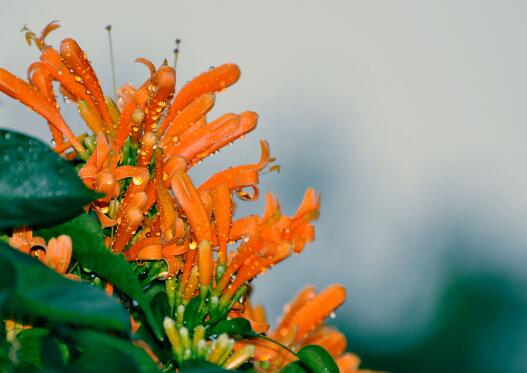
Does the flame vine get pests? Control methods for 2 pests and 2 diseases
During the growth of the flame vine, the problem people fear most is pests and diseases. Such problems are extremely harmful to the plant, not only greatly affecting its ornamental value, but if not dealt with in time, they can also cause the plant to wither. Does the flame vine get pests? How do you control pests and diseases on the flame vine?
-
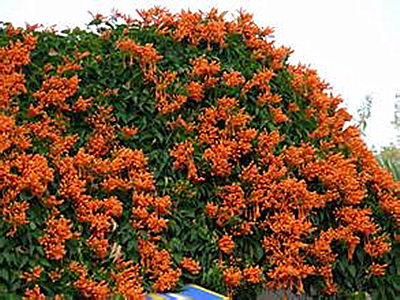
A Detailed Guide to the Correct and Scientific Propagation Methods for the Flame Vine
The flame vine (Pyrostegia venusta) is propagated mainly by cuttings, generally after flowering in spring and summer, and under greenhouse conditions it can be done year-round. For spring cuttings, roots usually begin to form about 3 weeks after insertion. If spring cuttings are planted promptly and given careful tending, they can bloom in the same year. For the cuttings, choose robust, pest-free and disease-free branches.
条件筛选