-
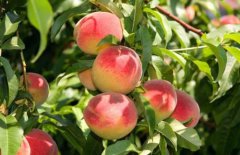
Five major peach variety characteristics: firm-fleshed peach, yellow peach, honey peach, nectarine, flat peach
Peaches are a fairly common fruit in our daily life, and we have also heard of peach tree grafting techniques. So how many peach varieties do you know? Do you recognize the peach varieties introduced below? 1. [Firm-fleshed peach] Firm-fleshed peach, also called crisp peach, is a common edible peach variety on the market. Its flesh is relatively firm, and even after ripening the flesh remains crisp, firm and dense. This kind of peach tastes quite good, but has relatively little juice.
-

Five key points for winter care of clivia, pay attention to these small details to prevent root rot
Five key points for caring for clivia in winter
-
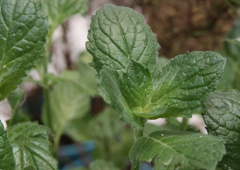
Five Steps for Growing Mint Herbs and a Detailed Guide to Precautions
Busy with work and unable to relax properly? In fact, simply placing a pot of herb planting on your desk, with its unique fragrance and greenery, can relieve the stress of work. Beginners can start with growing mint, especially in the hot summer, where you can pick it fresh at any time and make your own
-
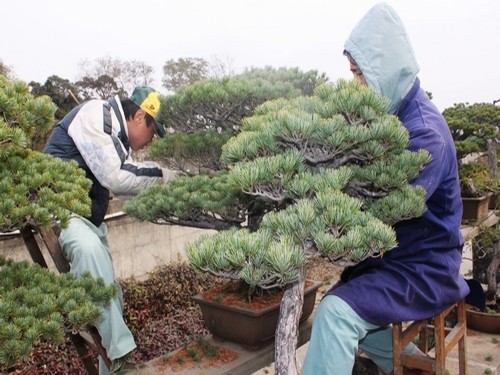
A Complete Guide to Pruning Methods and Techniques for Five-Needle Pine Bonsai
The styling techniques for five-needle pine bonsai share common ground with those for other tree bonsai, yet they also have their own particular characteristics. They should feature naturally adopted forms and well-judged choices of what to keep and what to remove; pruning and branch training should achieve a balanced layout, with an elegant and classical, understated tone. The artist's creative range must be broad: first comes artistic conception, then working out the draft in mind, and determining the theme
-
How to shape a five-needle pine bonsai? A detailed guide to practical methods
The five-needle pine is a sun-loving tree species that prefers fertile, loose, acidic soil. It is widely cultivated, with fine, dense, deep-green foliage. It is suitable both for garden accents and group plantings, and is also an important tree species for potted cultivation or bonsai. Shaping the five-needle pine should begin from the young tree stage and be carried out in winter
-
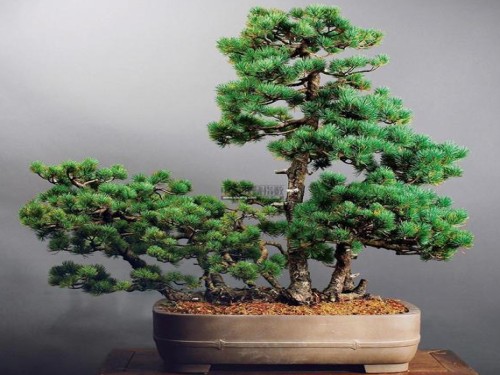
Detailed Explanation of Bud Pinching Techniques for Five-Needle Pine Bonsai
Bonsai is a concrete yet subtle representation of natural scenery, a profound and passionate exploration and reflection of natural beauty. The five-needle pine has an upright posture and is a tree species of high ornamental value; it is suitable both for embellishing gardens and as an important tree species for potted cultivation or bonsai. To maintain a good tree form and control the growth of branches and foliage
-
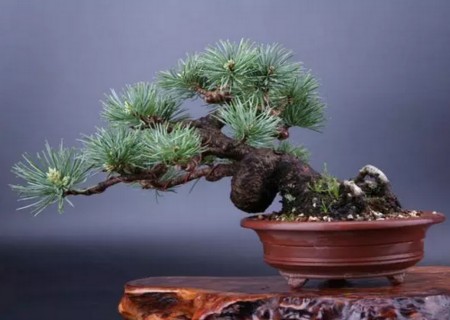
How to Fertilize Five-Needle Pine Bonsai? Detailed Methods and Tips
This tree species is one of the more precious among five-needle pines, generally used as bonsai material, rarely grown in the ground. Five-needle pine has low fertilizer requirements, and fertilization should not be excessive or too concentrated. Too much fertilizer will cause leggy shoot growth and longer needles, detracting from its ornamental value. Five-needle pine is relatively cold-tolerant and shade-tolerant, preferring well-drained, slightly acidic soil
-
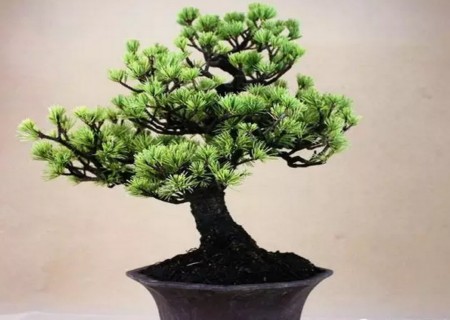
How should you water a five-needle pine bonsai? Practical watering tips shared
The five-needle pine has an upright posture and is a tree species with high ornamental value. It is suitable both for decorating gardens and as an important species for potted plants or bonsai. In bonsai making, the tree's posture must be maintained well and the growth of branches and leaves controlled, so as to achieve a shape with short, dense and vigorous branches and leaves. Today the editor will introduce the watering techniques for five-needle pine bonsai.
-
High-yield cultivation techniques for edible fungi and five factors affecting the emergence rate of flower seeds
Five factors affecting the emergence rate of flower seeds
-
Notes on watering edible fungi, five causes of yellowing leaves in flowers, and remedies
Five causes of yellowing leaves in flowers and remedies
条件筛选