-
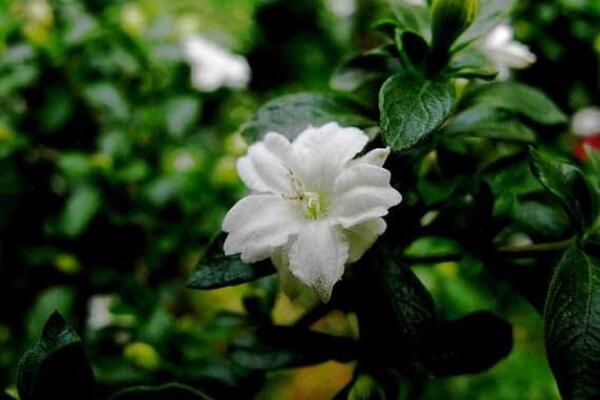
What to Do When Serissa Leaves Dry Out and Drop? Five Causes and Solutions
Serissa leaves drying out and dropping: five causes and solutions
-
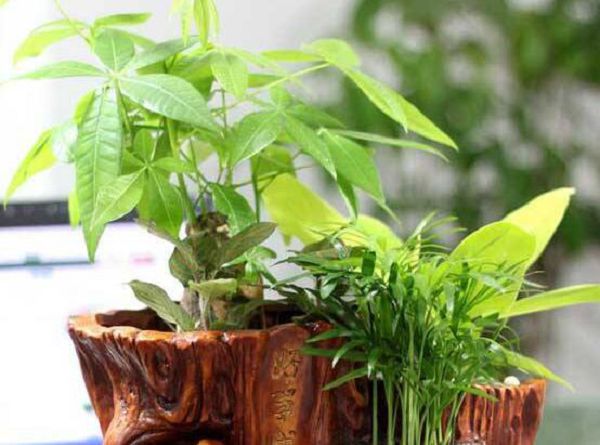
How to Grow a Money Tree? Just Master Five Key Points
Money Tree Growing Techniques: Just Master Five Key Points
-
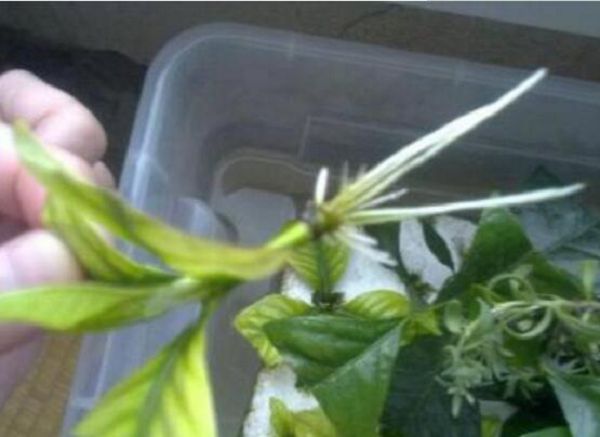
How to Propagate Gardenia: Five Major Gardenia Propagation Methods
How to Propagate Gardenia: Five Major Gardenia Propagation Methods
-
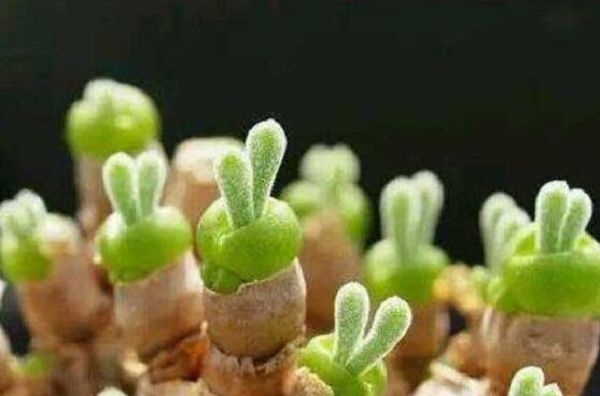
Follow five steps for sowing Monilaria moniliformis seeds and they will sprout quickly in three days
How to sow Monilaria moniliformis: follow five steps for quick sprouting in three days
-
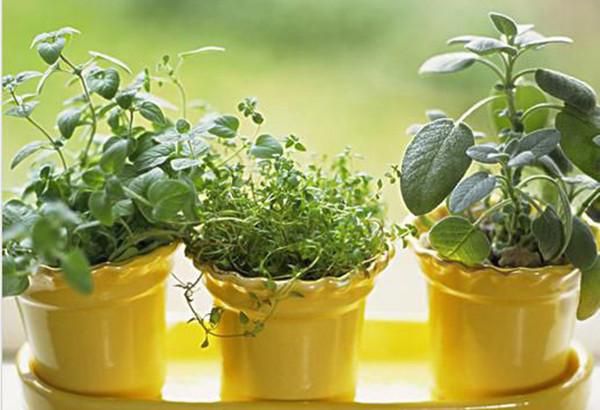
Five key points and four taboos for growing flowers in winter, helping flowers overwinter safely
Five key points and four taboos for growing flowers in winter, safe overwintering is not a dream
-

A Detailed Guide to the Cultivation and Care of Five-Needle Pine Bonsai
The five-needle pine (Pinus parviflora) has lush branches and leaves, vigorous and emerald green, with gnarled branches and needle-like foliage, twisting and curling, appearing elegant and antique; it is a precious bonsai tree. Every year in midsummer, the high heat, intense sunlight and frequent rainfall are most unfavorable to the growth of five-needle pine bonsai, and care and management at this time are very important. Moderate light: the five-needle pine is a neutral plant and can grow in sunny or relatively shaded places, but when cared for in a sunny, well-ventilated place, the needles grow emerald green and robust; in places with insufficient light and hot conditions, the needles grow thin and weak and tend to turn yellow. It is best to give the five-needle pine daily
-
What are the taboos of growing bonsai in summer? Keep these five points firmly in mind
1. Avoid fertilizing. In the high temperatures of midsummer, the leaves lose water quickly. Fertilizing at this time will make the solute concentration of the trunk's cells lower than that of the surrounding environment, causing water in the plant cells to flow back into the soil, and the trunk will die of dehydration due to fertilizer damage. 2. Avoid drought. Watering when you remember and not watering when you forget, sometimes leaving it alone for several days in a row, and only quickly replenishing water once the leaves are found to be wilting, after which the leaves return to normal - this is a response of the trunk to adapt to the environment, but if this goes on for a long time, the excessively strong transpiration will eventually make the trunk difficult to recover from serious damage and die of dehydration. 3. Avoid water
-
How to care for bonsai in summer? Five taboos of summer care and management
1. Avoid fertilizing. In the high heat of midsummer, leaves lose water relatively quickly. Fertilizing at this time will make the solute concentration of the trunk's cells lower than that of the external environment, causing water in the plant cells to flow backward into the soil, and the trunk will die from dehydration caused by fertilizer damage. 2. Avoid drought. Watering when you remember and not watering when you forget, sometimes leaving it unattended for several days in a row, and only quickly replenishing water once the leaves are found to be wilting, after which the leaves return to normal - this is a response of the trunk to adapt to the environment, but if this continues over the long term, excessively strong transpiration will ultimately make the trunk difficult to recover from serious illness and cause it to die of dehydration.
-
How to fertilize rhododendrons? Five key points to note
Rhododendron roots are delicate, so fertilizer must be fully composted before use. Generally, fertilizer that has been composted for more than one year and fully fermented is most suitable. When fertilizing, pay attention to the following five key points: Feed according to the seedling. Seedlings cannot be fertilized; after 4 months, a well-composted, extremely dilute liquid manure may be applied. After the plants are set out and transplanted separately in the following spring, more nitrogen and potassium fertilizer should be applied to speed up vegetative growth. At 2 to 3 years, during the mature stage, more phosphorus fertilizer should be added to achieve a high flowering rate and large, brightly colored flowers. In the old stage, more nitrogen fertilizer may be applied to promote renewal of branches and leaves and rejuvenate the tree
-
Phlox, Drummond phlox, annual phlox, five-color plum, grass oleander, campanula pink, foreign plum flower, small foreign flower, small sky-blue hydrangea
Scientific name: Phlox drummondii. Aliases: phlox flower, phlox bloom, five-color plum, grass oleander, campanula pink, foreign plum flower, small foreign flower, small sky-blue hydrangea. Family and genus: Polemoniaceae, Phlox genus. Origin: native to southern North America, now widely cultivated in countries around the world. Origin of the name: the genus name Phlox means flame, because the original species of phlox has red flowers. The species name honors Drummond. Morphological characteristics: plant height 15 to 45 cm. Stems erect, much branched
条件筛选