-
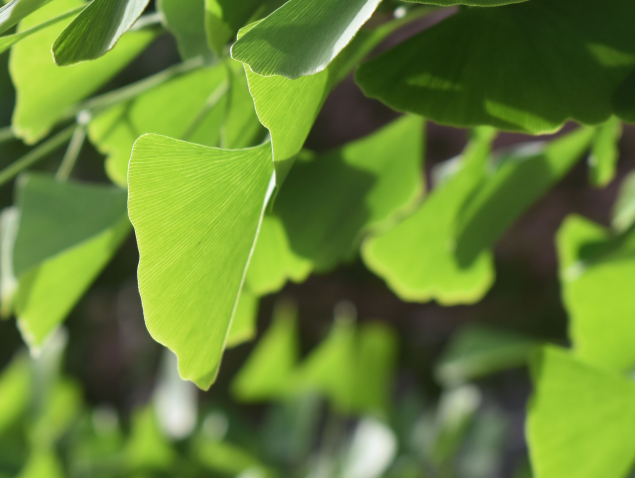
Detailed Explanation of Five Key Precautions for Planting Ginkgo
Ginkgo is a large deciduous tree. Its seed, the ginkgo nut, is also called white nut. Because of its high nutritional value and its effects of astringing lung qi and relieving asthma and cough, many growers are now cultivating it. However, some growers have encountered problems during the process of planting ginkgo.
-
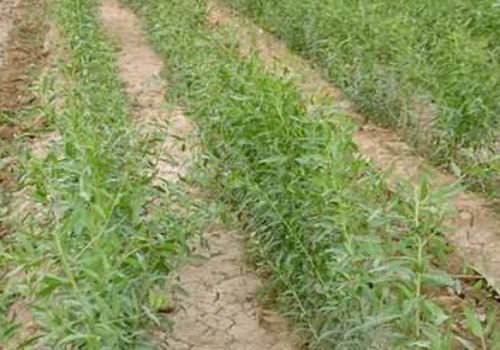
Detailed Explanation of the Five Key Points of High-Yield Goji Berry Cultivation Techniques
Goji berry is a health-promoting traditional Chinese medicinal herb. Because of its high nutritional value and its effects of nourishing the liver and kidneys, it is loved by many people and is often used in daily life to make infused water. With large market demand, it is cultivated in many places in our country, but some growers do not achieve high yields.
-
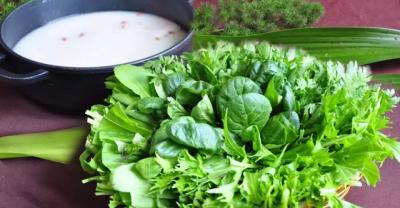
How do you plant narcissus bulbs? Just remember these five key tips and you are all set
I know many of you grow your own narcissus bulbs, but a lot of you just take the narcissus bulbs you bought and put them straight into water culture. Of course, what we are mainly talking about here is also...
-

Five key measures for cotton seedling stage management
Cotton takes about one month from emergence to squaring, which is a single vegetative growth stage and an important growth period for promoting deep root penetration, preventing seedling diseases, promoting early development, and thereby achieving early squaring. Field management of plastic-film cotton mainly includes: timely releasing seedlings, intertillage and loosening soil, checking and replanting seedlings, disease and pest control, thinning and final thinning, etc. Cotton farmers everywhere have a lot of experience in cotton seedling stage management, which is worth promoting, and is summarized as follows: release seedlings early, seal holes late. When 50% of cotton seedlings have emerged and the cotyledons have flattened and turned green, the seedlings can be released in batches. Release seedlings
-
Five key points to remember when spraying foliar fertilizer on cotton
Cotton leaves are the most important nutritional organs of the cotton plant, possessing four functions: photosynthesis, respiration, transpiration and absorption. By making use of their absorption and photosynthesis, targeted foliar spraying of fertilizer can promote steady plant growth, strengthen resistance to disease, pests, drought and premature aging, regulate vegetative and reproductive growth, and greatly increase yield and quality. 1. Spray type: scientifically choose the foliar fertilizer according to the cotton's growth vigor; for excessively vigorous cotton seedlings, spray a 0.3%-0.4% potassium dihydrogen phosphate solution or a 2% borax solution
-
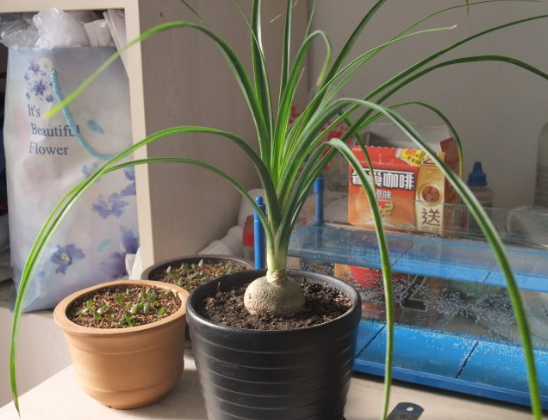
How to grow a ponytail palm? Five key cultivation methods and precautions to master
I. How to grow a ponytail palm 1. Soil Ponytail palm cultivation has high requirements for soil. It is best to choose sandy soil and humus soil with good drainage. Use one part coal cinder mixed with three parts garden soil, plus a small amount of chicken manure as base fertilizer. This basically completes the first step.
-
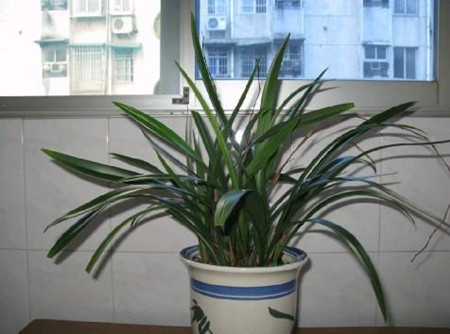
Five key points to master for orchid care in winter
How to strengthen orchid care in winter is the key to whether the orchids can grow vigorously and bloom in the coming year. To care for and manage orchids well in winter, management measures must be taken according to the variety characteristics of the orchids. - First, bring them indoors for warmth
-
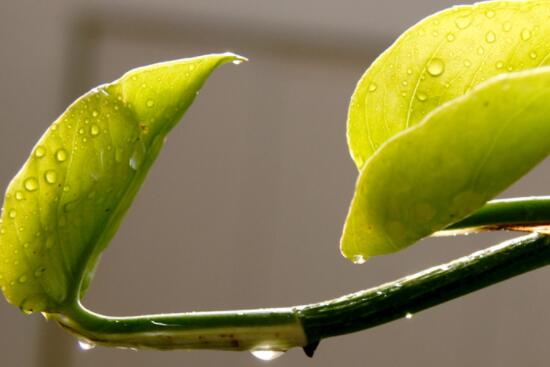
What to Do When Golden Pothos Leaves Turn Yellow: Five Causes and Solutions / Improper Watering and Fertilizing Are the Key
Golden Pothos, I believe everyone is familiar with it. It is also called pothos, and it is a beautifully shaped foliage plant that is highly ornamental when kept at home. In daily life, many people grow Golden Pothos, but as they care for it, quite a few will run into the symptom of yellowing leaves. So what should you do when Golden Pothos leaves turn yellow? For this, the editor has summarized 5 causes.
-
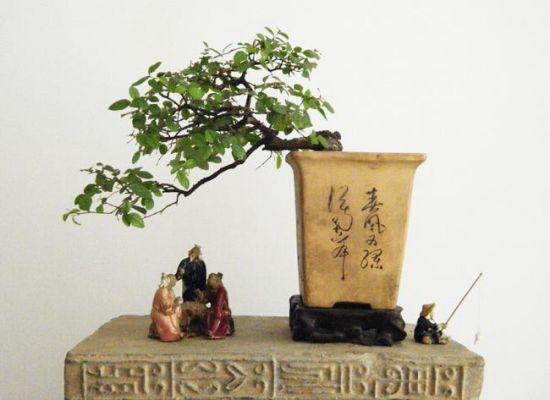
How to grow Sageretia thea (Chinese sweet plum)? Master these five key care tips
Water: There is a bit of finesse to the water used for Sageretia thea care. Natural water such as river water, pond water and rainwater is best. If using tap water, it should be stored for one or two days so the chlorine can evaporate. Water left over from washing clothes, and water containing grease or salt, must never be used. Fertilizing: Sageretia thea should be fertilized in moderation; too much fertilizer makes the branches and leaves grow excessively.
-
条件筛选