Five-leaf clover grows on moist, weakly alkaline hillsides, grasslands, fields or riverbanks. It prefers a warm, humid climate; it is tolerant of poor soil, moisture and shade, and can be planted between rows of trees and fruit crops.
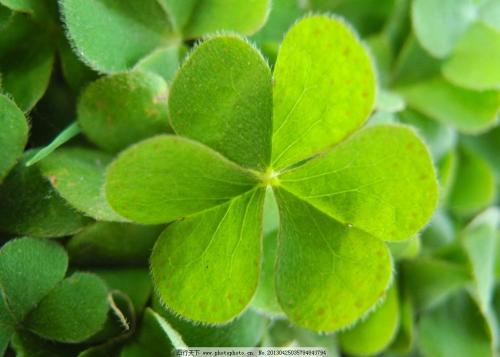
Planting methods
Its seedling emergence capacity is weak, the seedlings prefer moisture and are easily attacked by weeds, maturity is uneven and seed shattering is strong, so in cultivation it has many characteristics that differ from other leguminous forage grasses.
Fine land preparation: In order to create good soil conditions for growth and development, the soil should be deeply plowed to 20cm, the land leveled, carefully harrowed and smoothed, and weeds and debris removed.
Sowing time: Birdsfoot trefoil belongs to the spring-type development category. Generally, sowing is done in spring when the temperature is stable at ≥5°C and ≤10°C, and it can complete its life cycle in the same year. In the northwest region, the sowing time is about late March to early April, and summer sowing should be completed before the end of July. In the south, it can be sown in spring, summer and autumn.
Sowing density: For artificial grassland, the sowing rate is 11.25kg per hectare, with a row spacing of 15cm or 30cm. For seed fields, the sowing rate is 6.75kg per hectare, with a row spacing of 45cm or 60cm. For reseeding to improve grassland, the sowing rate is 5.26~7.5kg per hectare, and the row spacing depends on the vegetation coverage of the pasture. The above sowing rates should be increased or decreased appropriately according to the degree of soil fertility.
Sowing depth: Shallow is preferable to deep. Generally, it should be controlled at about 1.5cm. Sandy soil can be slightly deeper, while clay soil should be shallower. When sowing, the driving wheel and driven wheel of an ordinary grain drill can be swapped to slow the seed drop rate, and the seed tube can be removed from the opener and fixed behind the opener, with the seed outlet close to the ground, so that the seeds are broadcast on the soil surface in rows, lightly covered with soil, and then compacted.
Sowing row direction: In areas with strong winds, the sowing row direction should be perpendicular to the wind direction, which can prevent or reduce wind erosion, help accumulate snow in winter, improve soil moisture in the following year, and promote early green-up. In general areas, sowing should be done in a north-south direction to facilitate sunlight exposure.
Watering: In the year of sowing, the water requirement is greater, and timely watering during the seedling stage or early growth stage should be emphasized. Border sowing and border irrigation should be used, with the method of slow irrigation with a small amount of water. Generally, water in time at the green-up, bud, flowering and seed-setting stages. Water once promptly after each grass cutting. Before seed harvest, irrigation should be adjusted in a planned way according to the harvest schedule, so that plots are delayed in harvest in sequence. This can avoid losses caused by natural seed shattering when seed fields mature at the same time but cannot be harvested in time. In field seed production, this method is practical and effective.
Fertilization: For grassland intended for hay harvest, apply 75kg of nitrogen fertilizer per hectare at the branching stage. For seed fields, apply 150kg of phosphate fertilizer per hectare. Generally, in the spring of the third year of growth, combined with scarification, harrowing and irrigation, the yield increase effect is significant, and the fertilizer effect can last for 2 years.
Birdsfoot trefoil seedlings are relatively weak and susceptible to weed invasion. In the year of sowing, weeds should be hoed promptly after each watering, generally 3~4 times. After two years, the number of hoeings can be reduced. At the same time, in combination with manual hoeing, the herbicide sethoxydim can be used; after watering at the seedling stage, it should be mixed in a certain proportion and sprayed evenly, which can eliminate grassy weeds in the field and promote seedling growth and development.
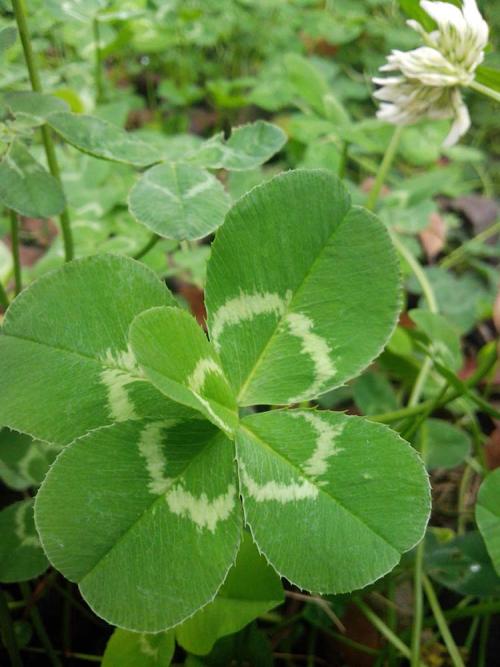
Functions and effects of five-leaf clover:
1. Antibacterial
A decoction of five-leaf clover in a test tube can inhibit Staphylococcus aureus and pneumococcus; in addition, the tannic acid it contains can also play an antibacterial role.
2. Antidiarrheal
Five-leaf clover can have an antidiarrheal effect. When its decoction is administered to rabbits, it can inhibit the activity of the small intestine and duodenum, and can also promote reverse peristalsis of the cecum, achieving an antidiarrheal effect; however, if the dose is too large, it will promote large intestine peristalsis.
3. Diuretic
Five-leaf clover has a diuretic effect. A small dose can produce a mild diuretic effect in rats.
4. Antiviral
A water decoction can significantly inhibit certain influenza viruses. Its root has relatively little effect, and the tannic acid it contains does not play a major role in antiviral action.