Detailed Explanation of the Five Key Points of High-Yield Goji Berry Cultivation Techniques
Goji berry is a health-promoting traditional Chinese medicinal herb. Because of its high nutritional value and its effects of nourishing the liver and kidneys, it is loved by many people and is often used in daily life to make infused water. With large market demand, it is cultivated in many places in our country, but some growers do not achieve high yields. So let me introduce the five key points of high-yield goji berry cultivation:
I. Key Point One: Timely Planting
To increase goji berry yield, we must start from the most basic factors. First of all, every plant has a suitable time and environment for growth. The most suitable temperature for goji berry growth is around 15 degrees, and it can be planted in most areas of our country. However, the most suitable time to plant goji berry is from March to April each spring. Both rainfall and temperature at this time are very favorable for goji berry growth. The survival rate when planting at this time is several times that of other times, which means the survival rate is basically as high as 90%, thus fundamentally solving the problem of goji berry yield.
II. Key Point Two: Select Good Varieties
There are now many varieties of goji berry. Although goji berry has strong adaptability to the environment, some varieties still fall short in certain aspects, such as disease resistance or drought resistance. In northern China, the most common goji berries are generally red goji berry and black goji berry, but black goji berry does not have a high yield, which means red goji berry is more suitable for growing in the north. Therefore, when planting, you must select varieties according to the climate and soil structure of your location so as to ensure yield.
III. Key Point Three: Reasonable Density
The goji berry plant is not very large, but planting density still needs attention. If the density is reasonable, it can also increase yield to a certain extent. The optimal planting density is 1 m between plants and about 2 m between rows. Of course, this can be determined according to the fertility of the soil. If the soil is relatively fertile, generally about 200 plants can be planted per mu; if the land is relatively poor, at least 300 plants can be planted. Only in this way can the air permeability in the goji berry field be ensured and photosynthesis be carried out better.
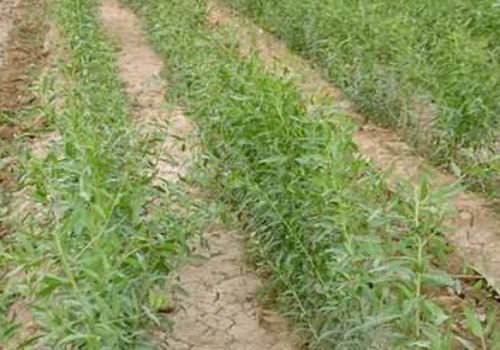
IV. Key Point Four: Seedling Treatment
Before planting, the purchased goji berry seedlings need to be treated. First, cut off all of part of the branches and leaves of the goji berry seedlings, keeping only the main trunk. Then observe whether there is any damage to the roots of the seedlings. If so, cut off those roots, then apply a layer of medicinal agent to the cut areas. Finally, soak the seedlings in clean water for about one day, and then they can be planted. The purpose of doing this is to avoid excessive vegetative growth of the seedlings and to enhance seedling resistance.
V. Key Point Five: Fertilizer and Water Management
Goji berry can be harvested for many years, so fertilization each year will differ slightly, but it is generally the same. Generally, 3-4 topdressings are needed each year. In the first year, after the goji berry survives, a certain dose of phosphate fertilizer needs to be applied as topdressing. When it blooms and fruits, nitrogen fertilizer, phosphate fertilizer, and potassium fertilizer are mainly used, which can prolong the flowering period and increase the fruit-setting rate. The third application is when the fruit is about to mature, mainly using phosphate fertilizer and nitrogen fertilizer, with the purpose of promoting ripening. Finally, after the fruit is harvested, another fertilization is needed to ensure the yield for the coming year.
Summary: The above is the relevant introduction to the five key points of high-yield goji berry cultivation. Growers can refer to the above five key points when planting. I hope it is helpful to friends in need!
Japanese Honeysuckle Lonicera Japonica Japanese Honeysuckle Illustrated Guide: How to Grow Japanese Honeysuckle / How to Propagate Japanese Honeysuckle
Japanese Honeysuckle ProfileJapanese Honeysuckle Lonicera Japonica
Cultivation Methods and Precautions for Japanese Honeysuckle Introduction to Japanese Honeysuckle
Japanese honeysuckle is the collective name for a traditional Chinese medicinal herb and a plant. The plant Japanese honeysuckle is also called rendong and is a perennial semi-evergreen twining woody vine in the Caprifoliaceae family. The name "jinyinhua" comes from the Compendium of Materia Medica. Because the flowers of Japanese honeysuckle first open white and later turn yellow, it is named jinyinhua, meaning "gold and silver flower." The medicinal material Japanese honeysuckle consists of the dried flower buds or newly opened flowers of Lonicera japonica and plants of the same genus in the Caprifoliaceae family. Since ancient times, Japanese honeysuckle has been praised as a good medicine for clearing heat and removing toxins. It is sweet in nature and cold in property, aromatic, clears heat without damaging the stomach, and its aromatic nature can penetrate and dispel pathogenic factors. Japanese honeysuckle can both disperse wind-heat and is good at clearing and resolving blood toxins. It is used for various heat diseases, such as fever, rash, macules, heat-toxin sores and abscesses, and sore swollen throat, all with significant effects.
Japanese honeysuckle is one of the 40 major cultivated medicinal materials, with a small amount of wild product. Japanese honeysuckle has wide uses and huge dosage, and new uses are constantly being developed, causing its dosage to continuously increase. It is a well-known health and heat-clearing beverage. At the same time, Japanese honeysuckle is an important variety for epidemic prevention and control. In recent years, Japanese honeysuckle has often become a leading gainer in the market, with more frequent changes and astonishing ranges of change, making it one of the varieties with the strongest market popularity and the greatest attention. At present, the annual demand for Japanese honeysuckle should be above 10,000 tons, of which Hunan goods are about 6,000 tons, Hebei goods are close to 3,000 tons, Shandong goods are 3-4 thousand tons, Henan goods are less than 1,000 tons, and other production areas are about 2,000 tons.
Japanese honeysuckle begins new production in May. First are wild goods from Hubei and Guangxi and the Henan production area, followed closely by the Hebei goods production area, and then the Shandong production area begins new production (about half a month later), while Hunan goods are the latest.
The development of Japanese honeysuckle production is relatively slow. If plants age and are not timely replanted, production will be affected. The picking and processing of Japanese honeysuckle is one of the varieties that particularly consumes labor and time. In recent years, the number of rural people going out to work has been huge, labor costs have risen sharply, and the number of pickers has decreased greatly, causing a serious decline in the production capacity of Japanese honeysuckle. The development of related brand herbal teas such as Wanglaoji quickly opened up sales and also caused the dosage of Japanese honeysuckle to surge. At the same time, because production did not keep up with the growth in demand, and coupled with the emergence of epidemics such as SARS and H1N1, not only was a large amount of stock consumed, but sky-high market conditions were also triggered, causing the status of Japanese honeysuckle in the market to soar. It should be noted that in the past two years, as prices have continued to climb, this has stimulated enthusiasm for planting in various production areas and also prompted farmers to strengthen management and pay attention to collection. The future sales volume of the herbal tea series will play an important role in the market conditions of Japanese honeysuckle, so it should be closely observed, and special attention should also be paid to the emergence of epidemics.
Once the opportunity matures, Japanese honeysuckle fluctuates violently, but it often does not last long. Rush buying and panic selling cannot be sustained for long! It is a typical popularity-driven variety, suitable for short-term operations. Long-term storage of Japanese honeysuckle affects quality.
Specifications and Quality: Henan goods have the best quality, Shandong goods rank second, followed by Hebei goods (green flower is better), and Hunan goods have the largest volume and relatively good quality.
Keywords: epidemic, herbal tea sales, price level, production, rising labor costs, changes in production capacity.
Morphological Characteristics of Japanese Honeysuckle
Japanese honeysuckle consists of the dried flower buds or newly opened flowers of the Caprifoliaceae plant Lonicera japonica. It is rod-shaped, thick at the top and thin at the bottom, slightly curved, 2-3 cm long, with an upper diameter of 3 mm and a lower diameter of 1.5 mm. The surface is yellow-white or green-white, densely covered with short soft hairs. Leaf-like bracts are occasionally seen. The calyx is green, with 5 lobes at the apex, and the lobes are hairy, about 2 mm long. In opened flowers, the corolla is tubular, with the apex two-lipped, and 5 stamens attached to the tube wall, yellow; 1 pistil, ovary hairless, with a fresh fragrance and a bland, slightly bitter taste. Japanese honeysuckle contains chlorogenic acid. The 2010 edition of the Pharmacopoeia stipulates: "Chlorogenic acid shall be determined by high-performance liquid chromatography: calculated on the dried product, it shall contain not less than 1.5% chlorogenic acid." Japanese honeysuckle contains luteoloside. The 2010 edition of the Pharmacopoeia stipulates: "Luteoloside shall be determined by high-performance liquid chromatography: calculated on the dried product, it shall contain not less than 0.05% luteoloside."
Shanyinhua consists of the dried flower buds or newly opened flowers of the Caprifoliaceae plants Lonicera macranthoides, Lonicera hypoglauca, or Lonicera confusa. Lonicera macranthoides is rod-shaped and slightly curved, 3-4.5 cm long, with an upper diameter of 2 mm and a lower diameter of 1 mm, and the surface is green-brown to yellow-white. The peduncles gather in clusters. In opened flowers, the corolla lobes are less than half the total length, the texture is slightly hard, and it feels slightly elastic when pinched by hand, with a fresh fragrance and a slightly bitter-sweet taste.
Lonicera hypoglauca is 2.5-4.5 cm long, 0.8-2 mm in diameter, with a yellow-white to yellow-brown surface, hairless or sparsely hairy, and the calyx tube is hairless.
Lonicera confusa is 1.6-3.5 cm long, 0.5-2 mm in diameter, with the calyx tube and corolla densely covered with gray-white hairs, and the ovary is hairy.
The flower buds of Lonicera macranthoides are 1-5 cm long, about 0.8-2 mm in diameter, yellow-brown or cinnamon-brown; the calyx tube is hairless, and the calyx teeth are hairy; the outside of the corolla is hairless, or the wide tube has a few reversed appressed fine hairs, without glandular hairs.
The flower buds of Lonicera fulvotomentosa are about 3.5 cm long, brown-yellow or yellow-green; the calyx tube is brown-yellow or gray-green, and the calyx teeth are hairy; the outside of the corolla is covered with yellow-brown reversed short coarse hairs.
Shanyinhua contains chlorogenic acid. The 2010 edition of the Pharmacopoeia stipulates: "Chlorogenic acid shall be determined by high-performance liquid chromatography: calculated on the dried product, it shall contain not less than 2.0% chlorogenic acid." In the 2010 edition of the Pharmacopoeia, the revised clinical standards for traditional Chinese medicinal materials and decoction pieces stipulate that Japanese honeysuckle and Shanyinhua are completely identical in nature, flavor, and meridian entry, functions and indications, and usage and dosage.
Ecological Habits of Japanese Honeysuckle
It is native to our country and distributed in various provinces. It is a temperate and subtropical tree species with very strong adaptability. It likes sunlight, tolerates shade, has strong cold resistance, and also tolerates drought and waterlogging. It has no strict requirements for soil, but grows best on moist, fertile, deep sandy loam. It sends out shoots twice each year in spring and summer. The root system is dense and well developed, with strong sprouting ability, and the stems and vines can take root as soon as they touch the ground. It likes sunlight and a mild, humid environment, has strong vitality, wide adaptability, and is cold-resistant and drought-resistant. It buds and flowers on new branches of the current year. It has no strict requirements for soil and can grow in acidic and saline-alkali land. With a developed root system and strong rooting ability, it is a very good plant for soil fixation and water conservation and can be planted on hillsides, riverbanks, and other places. In our country, it is distributed from the three northeastern provinces in the north to Guangdong and Hainan in the south, and from Shandong in the east to the Himalayas in the west, hence the farming proverb: "Waterlogging kills crops, drought kills grass, freezing kills pomegranates, sunburn hurts melons, but it will not affect Japanese honeysuckle." In shaded places, it grows poorly.
Dietary or Medicinal Value of Japanese Honeysuckle
The medical information and health dietary information on Hugarden are for reference only and cannot be used as a basis for diagnosis or medical treatment. For any health problems, consult professional medical personnel, and for the treatment of any disease, please follow a doctor's advice.
The ultimate flower-protecting mission: to love yourself, start from reality, and strictly follow a doctor's advice. For illness, do not be careless, do not delay, do not give up hope, face it bravely, warm the silent world with love, and care for the flower field in your heart with care.
Japanese honeysuckle is cold in nature and sweet in taste, entering the lung, heart, and stomach meridians. It has the effects of clearing heat and removing toxins, anti-inflammation, tonifying deficiency, and treating wind. It mainly treats conditions such as distension and fullness with dysentery, warm disease with fever, heat-toxin sores and ulcers, and tumors. It also has certain therapeutic effects on symptoms and diseases such as dizziness, dry mouth and thirst, excessive sweating and restlessness, enteritis, bacillary dysentery, measles, pneumonia, Japanese encephalitis, epidemic cerebrospinal meningitis, acute mastitis, septicemia, appendicitis, skin infections, carbuncles and boils, erysipelas, mumps, and purulent tonsillitis.
At the same time, Japanese honeysuckle tea has a unique weight-loss function and can also inhibit and kill pathogenic bacteria in the throat, with anti-infection effects for the elderly and children. Therefore, regularly taking Japanese honeysuckle infusion or decoction is beneficial for the treatment and recovery of wind-fire red eyes, sore swollen throat, obesity, liver-heat syndrome, and liver-heat type hypertension.
In addition, decocting Japanese honeysuckle soup with Forsythia suspensa and Isatis root can treat mumps; Japanese honeysuckle tea can relieve summer heat and improve eyesight; Forsythia and Japanese honeysuckle cool soup can treat externally contracted fever and cough. At the same time, add Japanese honeysuckle, chrysanthemum, Platycodon grandiflorus, and licorice to water, boil for 10 minutes, wait until cool, and drink as a beverage to treat pharyngitis and tonsillitis.
Processing and Preparation
Raw drug (raw Japanese honeysuckle): Remove impurities from the original drug and sift out dust, and it is ready; fried drug (fried Japanese honeysuckle): Take clean raw Japanese honeysuckle and place it in a pot, stir-fry over gentle heat until light brown; charcoal drug (Japanese honeysuckle charcoal): Take clean raw Japanese honeysuckle and place it in a pot, stir-fry over strong heat (but the heat must not be too strong, otherwise the material is likely to catch fire) until scorched brown and charcoal-like.
Tea Drinking Effects
1. Anti-pathogenic microorganism effect. It has a certain inhibitory effect on many pathogenic bacteria such as Staphylococcus aureus, hemolytic Streptococcus, Escherichia coli, Shigella dysenteriae, Vibrio cholerae, Salmonella typhi, Salmonella paratyphi, and others.
2. It has bacteriostatic and bactericidal effects on Streptococcus pneumoniae, Neisseria meningitidis, Pseudomonas aeruginosa, Mycobacterium tuberculosis, Shigella dysenteriae, Streptococcus mutans, and others, and has inhibitory effects on influenza virus, orphan virus, herpes virus, and Leptospira.
3. Anti-inflammatory and detoxifying effect. It has relatively strong effects in dispersing abscesses and reducing swelling, clearing heat and removing toxins, and reducing inflammation for carbuncles, boils, intestinal abscess, and lung abscess.
4. Heat-dispersing and pathogen-dispelling effect. It has a certain effect on externally contracted wind-heat or the early stage of warm disease, with symptoms such as body fever, headache, irritability and little sleep, mental confusion and crimson tongue, and dry throat and mouth.
5. Cooling blood and stopping dysentery effect. It has the effects of removing toxins, stopping dysentery, cooling blood, and benefiting the throat for heat-toxin dysentery, dysentery with pus and blood, damp-warmth obstructing the throat, and sore swollen throat.
6. Japanese honeysuckle tea is sweet in taste and cold in nature, with the effects of clearing heat and removing toxins and dispersing wind-heat. Japanese honeysuckle has the effects of clearing heat and removing toxins, soothing and benefiting the throat, and relieving summer heat and restlessness. It can treat summer-heat syndrome, diarrhea and dysentery, influenza, sores, furuncles and swollen toxins, acute and chronic tonsillitis, periodontitis, and other diseases.
Pharmacological Effects
1. Anti-pathogenic microorganism effect: In vitro experiments show that the flowers and vines have a certain inhibitory effect on many pathogenic bacteria such as Staphylococcus aureus, hemolytic Streptococcus, Escherichia coli, Shigella dysenteriae, Vibrio cholerae, Salmonella typhi, and Salmonella paratyphi, and are also effective against Streptococcus pneumoniae, Neisseria meningitidis, Pseudomonas aeruginosa, and Mycobacterium tuberculosis. The water infusion has a stronger effect than the decoction, and the leaf decoction has a stronger effect than the flower decoction. If used together with Forsythia suspensa, the antibacterial spectrum can also be complementary; when used together with penicillin, it can strengthen the antibacterial effect of penicillin against drug-resistant Staphylococcus aureus, which may be due to a synergistic effect in inhibiting protein synthesis in bacterial cells.
2. Anti-inflammatory and antipyretic effects: Intraperitoneal injection of Japanese honeysuckle extract 0.25 g/kg can inhibit carrageenan-induced paw swelling in rats. It has also been reported that Japanese honeysuckle injection 30-40 g/kg can reduce the degree of egg-white-induced paw swelling. Intraperitoneal injection of Japanese honeysuckle extract 8 g/kg, 2 times/day, for 6 consecutive days, also has obvious anti-exudative and anti-proliferative effects on croton oil-induced granuloma pouches in rats. Early reports stated that Japanese honeysuckle has an obvious antipyretic effect, but when rabbits were injected intravenously in the ear with cholera vaccine, Bacillus mesentericus, and Bacillus subtilis infusion to induce fever, it was not confirmed that gavage of Japanese honeysuckle decoction 5 g/kg had a antipyretic effect. It is believed that this may be related to differences in the Japanese honeysuckle preparation used, the dosage, or the tolerance of the rabbits.
3. Immune function-enhancing effect: Even when Japanese honeysuckle decoction is diluted to a concentration of 1:1280, it can still promote the phagocytic function of leukocytes. Intraperitoneal injection of Japanese honeysuckle injection in mice also has an obvious effect in promoting the phagocytic function of inflammatory cells.
4. Central excitatory effect: Through various experimental methods such as electroshock and rotating cage, it has been proven that oral administration of chlorogenic acid can cause excitation of the central nervous system in animals such as rats and mice, with a strength of action 1/6 that of caffeine, and the two used together have no additive or enhancing effect.
5. Blood lipid-lowering effect: Gavage of Japanese honeysuckle 2.5 g/kg in rats can reduce intestinal cholesterol absorption and lower plasma cholesterol content. In vitro experiments also found that Japanese honeysuckle can combine with cholesterol, but in the treatment of experimental atherosclerosis in rabbits with Simiao Yongan Decoction (Japanese honeysuckle, Scrophularia ningpoensis, Angelica sinensis, and licorice), no effect of lowering blood lipids and aortic wall cholesterol content was observed.
6. Anti-endotoxin: Using the Limulus test method to determine endotoxin content, 300% Japanese honeysuckle (Lonicera japonica) injection diluted at 1:2-1:64, whether by the concave plate method or test tube method in in vitro tests, significantly reduced the endotoxin content in the test solution. Among them, the 1:2-1:8 dilution tubes, like the negative control tube, were liquid, while the positive control was gel-like. Intravenous injection of Japanese honeysuckle (Lonicera japonica) distillate 6 g/kg has an antagonistic effect on the decrease in rabbit body temperature and white blood cell count caused by intravenous injection of Pseudomonas aeruginosa endotoxin 2.8 mg/kg. Intraperitoneal injection of Japanese honeysuckle (Lonicera japonica) distillate 7.5 g/kg or injection 2.5 g/kg has a protective effect on mice injected intraperitoneally with Pseudomonas aeruginosa endotoxin 65 mg/kg, reducing mouse mortality.
7. Other effects: In vitro screening experiments have reported that the water and alcohol infusions of Japanese honeysuckle have obvious cytotoxic effects on sarcoma 180 and Ehrlich ascites carcinoma. Oral administration of Japanese honeysuckle extract has a mild preventive effect on experimental gastric ulcers in rats. Oral administration of large doses of chlorogenic acid can increase gastrointestinal peristalsis and promote the secretion of gastric juice and bile. Chlorogenic acid and its decomposition products have an excitatory effect on isolated rat uterus. In addition, chlorogenic acid can also slightly enhance the pressor effect of epinephrine and norepinephrine in cats and rats, but has no effect on the nictitating membrane response in cats.
Pharmacology of Japanese Honeysuckle
Japanese honeysuckle contains inositol cyclohexanehexol, flavonoids, inositol, saponins, tannins, and others, and has broad-spectrum antibacterial effects. It has relatively strong inhibitory effects on many pathogenic bacteria such as Staphylococcus aureus and Shigella dysenteriae, and also has inhibitory effects on various pathogenic microorganisms such as Leptospira, influenza virus, and pathogenic molds. In addition, Japanese honeysuckle also has obvious anti-inflammatory and antipyretic effects, and the water and alcohol infusions of Japanese honeysuckle have obvious killing effects on experimental tumor cells. The distillate obtained by distilling the flowers and leaves of Japanese honeysuckle is called Japanese honeysuckle dew. Making it into a beverage in summer not only tastes sweet and delicious, but also has a very good effect of clearing heat and relieving summer heat. In the past, a porcelain jar containing Japanese honeysuckle dew was often placed on the counter of pharmacies. In the past, when beverage varieties were extremely scarce, that blue-and-white porcelain jar on the counter made many children envious and tempted. The wonderful uses of Japanese honeysuckle: Japanese honeysuckle has a very wide range of applications. Recently, many traditional Chinese medicine prescriptions for preventing and treating SARS have used Japanese honeysuckle. In daily life, people also often use Japanese honeysuckle infused in water as tea to treat sore swollen throat and prevent upper respiratory tract infections. The method is: take 20 grams of Japanese honeysuckle, decoct in water as tea or infuse as tea, once a day. Japanese honeysuckle also has the effects of whitening skin and reducing swelling and improving eyesight. The method is: put goji berry, Japanese honeysuckle, and rock sugar together in a soup pot, boil, then simmer over low heat for 20 minutes; after turning off the heat, wait for the soup to cool, then mix in honey.
Distribution Areas of Japanese Honeysuckle
Fengqiu in Henan, Pingyi in Linyi, Shandong, Julu in Hebei, Loudi in Hunan.
Tree-Type Japanese Honeysuckle
Tree-type Japanese honeysuckle is a vine Japanese honeysuckle cultivated into an upright tree form, with characteristics such as high yield, labor-saving harvesting, long flowering period, and high medicinal content.
Yangling Jinshan Agricultural Science and Technology Co., Ltd. and experts and professors from Northwest A&F University successfully cultivated a new excellent high-yield Japanese honeysuckle variety: tree-type Japanese honeysuckle - Jinhua No. 3. Morphologically, compared with traditional Japanese honeysuckle varieties, "Jinhua No. 3" has transformed traditional vine Japanese honeysuckle into tree-type Japanese honeysuckle, with large, thick leaves and pointed tips, and more hairs. The flowers are large, the Japanese honeysuckle flower wall is thick, and the hairs are about 0.22 cm long. Most flower needles have one pistil and five stamens; the flowers are generally 5.2-6.1 cm long, with the longest being 6.6 cm. The weight of 1,000 fresh Japanese honeysuckle needles is 322 grams (Damaohua 120.4 grams, Jizhuahua 104 grams). There are few excessive vegetative branches, and most naked buds are also short flowering branches. Even with abundant water and fertilizer, it does not produce excessive vegetative branches and vines; the internodes are short, and most Japanese honeysuckle flowers begin to bloom from the first internode, with uprightness forming a 45-degree angle with the ground; it grows quickly and can reach 0.5 cm in thickness in 50 days; harvesting is labor-saving, and the yield of "Jinhua No. 3" Japanese honeysuckle is 2 times that of traditional Japanese honeysuckle varieties. Japanese honeysuckle "Jinhua No. 3" has extremely high economic traits. The flower buds are large, the flower needles are 1 time longer than the parent, the petal thickness is 2.17 times that of the parent, the weight of 1,000 fresh buds is 2.19 times that of the parent, and the weight of 1,000 dried buds is 1.79 times that of the parent. The content of effective components such as chlorogenic acid in the flower buds of Japanese honeysuckle is significantly increased by 30% compared with the parent. In addition to showing economic traits such as high yield and high quality, Japanese honeysuckle "Jinhua No. 3" also has extremely strong adaptability and stress resistance. The stems and leaves are thick and large, the leaf color is deep green, and photosynthesis is strong. The hairs on the stems and leaves are coarse, hard, and long, especially the hairs on young leaves of Japanese honeysuckle, which are coarse and long, making it extremely resistant to honeysuckle round-tailed aphid. The leaf waxy layer is thick and abundant, and the root system is developed, with extremely strong drought resistance and barren tolerance, and very strong soil and water conservation and windbreak and sand-fixation capacity.
Luotian Japanese Honeysuckle
Luotian Japanese honeysuckle is a specialty product of Luotian County, Hubei Province. Luotian County is located at the southern foot of the Dabie Mountains, with a mild climate and abundant rainfall. It is rich in Japanese honeysuckle resources, with a special appearance, rich aroma, and high content of effective components. In 2011, it received protection as a Chinese geographical indication product.
Luotian is located at the southern foot of the Dabie Mountains and has typical mountain climate characteristics, with a mild climate and abundant rainfall. Historically, it has had abundant wild Japanese honeysuckle resources. The terrain of Luotian County is high in the north and low in the south, forming a mountain range trend from north to south. The northeastern part has high mountains and steep ridges, and the surrounded mountains are mostly high mountains above 1,000 m in elevation. Tiantangzhai, the main peak of the Dabie Mountains at 1,729 m in elevation, is located at the northeastern boundary, and Baodaofeng Forest Farm at 1,404 m in elevation is also in the northern mountainous area; the central terrain gradually opens up and is a low mountain and hilly area between 200 and 500 m in elevation, while the south is a rolling shallow hilly area below 200 m, with mountain flatlands of varying sizes and flat alluvial plains formed by river alluviation, constituting the geographical characteristics of Luotian County with diverse landforms and abundant natural resources. The whole county has a subtropical monsoon climate, with an annual average temperature of 16.4°C, a frost-free period of 228 days, and an average annual rainfall of about 1,400 mm. The climate is mild and rainfall is abundant, providing climatic conditions suitable for the growth of many agricultural and forestry crops. It is famous throughout China as the "hometown of mulberry and silkworm," "hometown of Chinese chestnut," "hometown of Poria cocos," "hometown of sweet persimmon," and "hometown of Japanese honeysuckle."
Pingyi Japanese Honeysuckle
Pingyi Japanese honeysuckle is a traditional authentic medicinal material of the Yimeng Mountain area. Because it is mainly produced in Pingyi County, Linyi, Shandong, it is called Pingyi Japanese honeysuckle. Pingyi County is the "Hometown of Chinese Japanese Honeysuckle" named by the Ministry of Agriculture. Pingyi County has a long history of cultivating Japanese honeysuckle, with superior quality. The number and content of effective components are higher than products from other areas. Its output accounts for more than 1/2 of China's total output, and the annual transaction volume is more than 400 million yuan, ranking first in China. It is China's largest Japanese honeysuckle distribution center.
Pingyi Japanese honeysuckle has large flower buds, pure color, a delicate fragrance, and high chlorogenic acid content. According to determinations by the Shandong Institute of Traditional Chinese Medicine and Shandong University of Traditional Chinese Medicine, the volatile oil content of Pingyi Japanese honeysuckle is 1.8‰, while the content of similar products from other places is only 0.2-0.4‰. The chlorogenic acid content of Japanese honeysuckle reaches 5.87% (national standard content 1.5%), unique within China, and nearly 50 times the content of other natural populations. The Japanese honeysuckle produced in this county is rich in 32 elements, while Japanese honeysuckle produced elsewhere contains only two.
According to the Provisions on the Protection of Geographical Indication Products, the General Administration of Quality Supervision, Inspection and Quarantine organized an examination of the application for geographical indication product protection for Pingyi Japanese honeysuckle. After passing the examination, it approved the implementation of geographical indication product protection for Pingyi Japanese honeysuckle from September 6, 2007 (No. 138 of 2007).
Pingyi County is the origin and main production area of Chinese Japanese honeysuckle. In 1993, Japanese honeysuckle was designated as the county flower of Pingyi County. In 1995, Pingyi Japanese honeysuckle was rated as a "China Chinese Herbal Medicine Japanese Honeysuckle High-Quality Product" by the Chinese Ministry of Agriculture. In March 1996, Pingyi County was named "Hometown of Chinese Japanese Honeysuckle." In March 2000, it was named "Hometown of Chinese Famous, Special, and Excellent Economic Forest Japanese Honeysuckle" by China's State Forestry Administration. In September 2007, Pingyi Japanese honeysuckle passed the review of geographical indication products by China's General Administration of Quality Supervision, Inspection and Quarantine, becoming the first agricultural product in Linyi City to obtain national geographical indication protection.
Fengqiu Japanese Honeysuckle
It has a planting history of more than 1,500 years, which is clearly recorded in the Mingyi Bielu written by Tao Hongjing, a famous physician of the Liang Dynasty. Fengqiu Japanese honeysuckle buds are thick, long, and plump, with a brilliant color and very high medicinal efficiency and health benefits. In 1980, after inspecting the soil, climate, and other conditions of Fengqiu, the former State Administration of Traditional Chinese Medicine invested heavily to establish a Japanese honeysuckle production base in Fengqiu. Japanese honeysuckle is one of the first choices among Chinese patent medicines against SARS. In the fight against SARS, Fengqiu Japanese honeysuckle was highly favored by the pharmaceutical community and consumers because of its good quality.
The unique geographical environment and unique management methods successfully domesticated the unique upright performance of Fengqiu Japanese honeysuckle, which is conducive to ventilation and light transmission and nutrient absorption, making Fengqiu Japanese honeysuckle large in flower and plump, bright in color and green in goods, and high in medicinal components. Its quality ranks first among similar products nationwide. The content of the important component chlorogenic acid reaches 4%-6%, and total flavonoids 2.14%. As an authentic product of traditional Chinese medicinal materials, Fengqiu Japanese honeysuckle is also the authentic Japanese honeysuckle recorded in historical documents through the ages and a key collectible.
For many years, in order to improve the yield and quality of Japanese honeysuckle in Fengqiu County, connections with scientific research units have been strengthened, and multiple awards have been obtained. In January 2003, Fengqiu County Japanese honeysuckle obtained origin marking registration protection, has become a fine product of the Chinese nation, and will become an international famous brand product comparable to South African diamonds and French wine.
However, in the southern market, "Jicaotang No. 1" Japanese honeysuckle is mainly characterized by thick stems and branches, thick and large leaves, deep green leaf color, many hairs, short internodes, few excessive vegetative branches, and many flowering branches. Compared with traditional varieties, it has characteristics such as high yield, high content of effective components, high harvesting efficiency, and strong stress resistance and adaptability.
Landscape Applications of Japanese Honeysuckle
Because its creeping growth ability is stronger than its climbing growth ability, it is more suitable for groundcover cultivation under forests, at forest edges, and on the north side of buildings; it can also be used for green low walls; its twining ability can also be used to make flower corridors, flower trellises, flower fences, flower columns, and to twine around rockery stones, etc. The advantages are large vine growth and extensive management; the disadvantages are that vines twine around each other and the ground cover is uneven, giving a sense of disorder.
Cultivation Techniques and Propagation Techniques of Japanese Honeysuckle
Seed propagation: Sow in April. Soak the seeds in warm water at 35-40°C for 24 h, take them out and mix with 2-3 times moist sand for germination. Sow when about 30% have cracked. On the seedbed, open furrows at a row spacing of 21-22 cm and sow, cover with 1 cm of soil, spray water once every 2 days, and seedlings can emerge in more than 10 days. Transplant after autumn or in the spring of the 2nd year. Use about 15 kg of seeds per 1 hm2.
Cutting propagation: Generally carried out in the rainy season. In cloudy and rainy weather in summer and autumn, select robust 1-2 year old branches free of pests and diseases, cut them into 30-35 cm sections, remove the lower leaves, and use them as cuttings, using them as soon as they are cut. On the selected land, dig holes at a row spacing of 1.6 m and a plant spacing of 1.5 m, with a hole depth of 16-18 cm. Place 5-6 cuttings per hole, scattered and slanting upright in the soil, with 7-10 cm exposed above ground, then fill with soil and firm it (sandy soil with good air and water permeability is best). Before the cuttings root, attention should be paid to shading to avoid direct sunlight causing the cuttings to dry out. Cutting seedling cultivation can also be used; in July-August, open furrows at a row spacing of 23-26 cm, about 16 cm deep, with a plant spacing of 2 cm, place the cuttings slanting upright in the furrows, fill with soil and firm it. Using sandy soil with good air and water permeability as the seedling soil allows the fastest rooting and makes it less likely for the cuttings to rot due to pathogen infection. After planting, spray water once. Thereafter, during drought, water once every 2 days, and roots can form in about half a month. Transplant in spring or autumn of the 2nd year.
Shaping and Pruning
The periods and methods of shaping and pruning Japanese honeysuckle:
1. Pruning periods for Japanese honeysuckle: divided into two periods. One is winter pruning, that is, pruning during the dormant period, which can be carried out from December to early March of the following year. The second is green-period pruning, that is, pruning during the growing period, which can be carried out from May to mid-August.
2. Methods of shaping and pruning Japanese honeysuckle:
A: The pruning method for 1-3 year old young clumps is mainly shaping, with flowering as secondary. The focus is on cultivating well the first, second, and third-level scaffold branches to form a firm framework and lay the foundation for future high yield.
First winter: First plan the clump shape to be used, select robust branches, keep one trunk for the natural round-headed form, keep 3 trunks for the umbrella form, keep 3-5 nodes on each branch and cut off the upper part, and cut off all other branches. In future management, frequently remove branches growing from the roots in time to prevent excessive tillering from affecting the growth of the trunk.
Second winter: The main task of pruning at this stage is to cultivate first-level scaffold branches. After pruning in the previous winter, under general fertilizer and water management conditions, 6-10 robust purple-red branches will grow. For the natural round-headed form, select and keep 2-3 trunks; for the umbrella form, select 6-7 trunks as first-level scaffold branches. Keep 3-5 nodes on each branch and cut off the upper part. The selection criteria are: first, the basal diameter is more than 0.5 cm; third, the branching angle is 30-40 degrees; third, the distribution is uniform and staggered, avoiding crossing, overlapping, or all growing on one part as much as possible. Other branches, no matter where they grow, especially basal tillers, are all removed.
Third winter: The main task is to select and keep second-level scaffold branches to make better use of space. The buds at the base of Japanese honeysuckle branches are very plump, with five or six buds surrounding a circle, and the sprouted branches are also very robust, which can be used to adjust and replace the angle and extension direction of second-level scaffold branches. Keep 7-11 for the natural round-headed form and 12-15 for the umbrella form, keep 3-5 nodes on each branch and cut off the upper tip, as second-level scaffold branches. The methods and standards are the same as above, and all remaining branches are removed.
Fourth winter: First, select and keep third-level scaffold branches; second, use new branches to adjust second-level scaffold branches. Keep 18-25 for the natural round-headed form and 20-30 for the umbrella form as third-level scaffold branches. The methods and standards are the same as above.
Fifth year: The framework has basically formed, and pruning shifts toward flowering. First, select and keep enough flowering mother branches; second, use new branches to adjust the angle and direction of scaffold branches, distinguish effective branches from ineffective branches, and remove weak ones while keeping strong ones. The basal diameter of the selected flowering mother branches must be more than 0.5 cm. Each second-level scaffold branch should keep at most 2-3 flowering mother branches, and each third-level scaffold branch should keep at most 4-5. Keep 80-120 per whole clump. The distance between flowering mother branches should be 8-10 cm and must not be too dense. The flowering mother branches are still kept with 2-5 nodes and cut off at the upper part, and all others are removed.
B: Pruning method for mature clumps: After 5 years, Japanese honeysuckle has fully entered the peak flowering stage, shaping is basically complete, and it turns to the stage of high and stable yield. At this time, the main pruning task is to select and keep robust flowering mother branches. The sources of flowering mother branches are 80% primary branches and 20% secondary branches. Flowering mother branches need to be renewed every year, and the more robust the better. Only strong mother branches can produce more flowering branches and achieve the goal of high and stable yield. Next is to adjust and renew second- and third-level scaffold branches, remove weak ones and keep strong ones, and rejuvenate clump vigor. The pruning steps are: first lower part, then upper part; first inside, then outside; first large branches, then small branches; first thinning, then heading back. Remove crossing branches, drooping branches, dead and weak branches, diseased and insect-damaged branches, and all ineffective branches. The retained flowering mother branches are headed back, keeping 3-5 nodes. Every branch is cut, with uniform distribution and reasonable layout, and the branch spacing is still kept at 8-10 cm.
Pruning is greatly related to fertilizer and water. For fertile land with good water and fertilizer conditions, light cutting can be used; otherwise, heavy cutting should be used. Under normal circumstances, vigorous clumps can keep 80-100 flowering mother branches, each plant can produce about 1,200 grams of dried flowers, and the yield per 667 square meters can reach about 260 kg.
C: Pruning method for old clumps: For Japanese honeysuckle after 30 years, the flower clumps gradually age. At this time, in addition to leaving enough flowering mother branches, pruning is mainly for renewing and rejuvenating scaffold branches so as to produce more new branches, making the clump age old while the branch age young, so as to maintain yield. The method is to combine thinning and cutting, suppressing the front and promoting the rear.
D: Green-period pruning method: The purpose of green-period pruning is to promote the formation of multiple crops of flowers. The time is after each full flowering period. The first pruning of spring shoots is in late May (after the first crop of flowers), the 2nd pruning of summer shoots is in mid-July (after the second crop of flowers), and the 3rd pruning of autumn shoots is in mid-August (after the third crop of flowers). First remove all ineffective branches, keep 4-5 nodes on strong branches and 2-3 nodes on moderate branches for heading back, and the branch spacing is still kept at 8-10 cm.
The life of Japanese honeysuckle is similar to that of grapes. There are quite a lot of root tillers, which is the fundamental reason for disordered tree shape and premature aging of plants. Therefore, in the annual management of mature clumps, root tillers should be removed in time, and excessive vegetative branches on the trunk should be removed in time.
Mixed Planting
1. Interplanting licorice in the early growth stage of Japanese honeysuckle: According to the growth characteristics of Japanese honeysuckle varieties, adopt the cultivation method of appropriately expanding row spacing and reducing plant spacing for hole planting, which not only effectively uses the land, but also ensures enough plants in a certain area, enhances ventilation and light transmission conditions, and provides a good growth environment for light- and warmth-loving Japanese honeysuckle, thereby laying a solid foundation for improving yield and quality. At the same time, interplant the short-cycle, short-statured traditional Chinese medicinal material licorice within its row spacing, achieving the purpose of using medicine to support flowers and using short-term crops to support long-term crops.
The specific cultivation method is as follows:
(1) Japanese honeysuckle cultivation: It can be cultivated throughout the year. On the selected plot, apply 5,000 kg of organic fertilizer, 100 kg of superphosphate, 30 kg of potassium sulfate, and 50 kg of ammonium bicarbonate per mu. Plough finely and harrow evenly. Make high beds 2 m wide. Between beds, make shallow ditches 30 cm wide and 10 cm deep. In the ditches, dig a square hole 30 cm deep every 100 cm. Plant two flower seedlings in each hole, fill with soil and firm it, and water. Plant 330 holes of Japanese honeysuckle per mu, totaling 660 plants. Keep the soil moist for 15 days after planting, and they will sprout and survive.
(2) Licorice cultivation techniques (refer to the cultivation method introduced above).
2. Using medicine to support flowers, with significant economic benefits: The planting model of interplanting medicinal materials between Japanese honeysuckle rows can significantly improve economic benefits. Interplanting licorice in the early growth stage of Japanese honeysuckle has basically the same economic benefits as the above analysis. At the same time, through fertilization and watering management for licorice, Japanese honeysuckle obtains sufficient nutrients from it and grows vigorously. In the first year, 20 kg of Japanese honeysuckle can be harvested, at a market price of 35 yuan/kg, yielding 700 yuan per mu. In the second year, 60 kg of Japanese honeysuckle can be harvested, yielding 2,000 yuan per mu. Adding the income from interplanted licorice, the benefit is quite considerable. In the third year, Japanese honeysuckle enters the high-yield period, with a yield of 150-200 kg of dried flowers per mu, and the benefit can reach more than 5,000 yuan. At the same time, a certain degree of shade forms within the rows, providing natural living conditions for the growth of Pinellia ternata, which likes humidity and tolerates shade, so Pinellia ternata grows well, and the benefit can be imagined, achieving multiple benefits with one action.
Occurrence Trends of Japanese Honeysuckle Disease Control
Based on a comprehensive analysis of factors such as the current occurrence of Japanese honeysuckle pests and diseases, future weather forecasts, the overall layout of Japanese honeysuckle and variety resistance levels, and farmers' control techniques, it is expected that in 2012, Japanese honeysuckle aphids will occur heavily (level 4), with an occurrence area of 80,000 mu-times; red spiders will occur moderately to heavily (level 4), with an occurrence area of 80,000 mu-times; powdery mildew will be generally moderate (level 3), with local moderate to heavy occurrence (level 4), and an occurrence area of 60,000 mu-times; brown spot will occur moderately (level 3), with an occurrence area of 50,000 mu-times. Other pests and diseases will occur lightly (levels 1-2), with an occurrence area of 20,000 mu-times.
Suitable Control Period
At present, red spiders, powdery mildew, brown spot, and others in most Japanese honeysuckle plantations have reached control thresholds, and chemical control must be carried out immediately. Brown spot and powdery mildew should be treated with chemicals at the early stage of disease occurrence, and the control threshold is a diseased plant rate of 3.0%.
I. Agricultural control: Select disease-resistant varieties, strengthen cultivation management, use reasonable close planting, shape and prune branches, and ensure ventilation and light transmission; fertilize scientifically, increase the application of phosphate and potassium fertilizers, improve plant disease resistance, and especially be careful not to apply too much nitrogen, so as to avoid excessively dense plant growth and aggravating the degree of disease.
II. Chemical control: Japanese honeysuckle is a plant used for both medicine and food, so special attention must be paid to food (medicine) safety. Highly toxic pesticides are prohibited in production, and chemical control agents must be used under the guidance of technicians from plant protection departments and agricultural technology departments.
1. Brown spot: A common leaf disease that causes weakened plant growth. It mostly occurs in the late growth period, with August-September as the peak period, and is severe under rainy and humid conditions. At the early stage, small brown spots form on the leaves, then expand into brown round lesions or irregular lesions. Gray-black mold-like material grows on the back of the lesions. When severe, it can cause leaves to fall off. Control method: Cut off diseased leaves, then spray with Bordeaux mixture at a ratio of 1:1.5:200, once every 7-10 days, for 2-3 consecutive times; or use 65% zineb 500-fold dilution or thiophanate 1,000-1,500-fold dilution, spraying once every 7 days, for 2-3 consecutive times.
2. Powdery mildew: It occurs severely under warm and dry conditions or when plants are shaded; excessive nitrogen application and dense plant growth also make it severe. At the early stage, small white spots appear on the leaves, then gradually expand into white powdery patches, continue to spread and cover the entire leaf, causing leaves to turn yellow, shrink and deform, and finally causing flower drop, leaf drop, and branch drying. Control method: Clean the garden and handle diseased and residual plants; during the occurrence period, spray with 50% thiophanate 1,000-fold solution or BO-10 biological preparation.
3. Aphids: They damage leaves and tender branches, causing leaves and flower buds to curl, growth to stop, and yield to drop sharply. From April to June, the insect situation is relatively serious. Around "Start of Summer," especially on cloudy and rainy days, it spreads faster. Control method: Spray with 40% dimethoate 1,000-1,500-fold dilution or menazon (mieyaling) 1,000-1,500-fold dilution, continuously multiple times, until killed.
4. Inchworm: After the first crop of flowers, the larvae eat the leaves, causing reduced yield. Control method: After the beginning of spring, dig soil within 1 m around the plants to destroy pupae. At the early stage of larval occurrence, spray 2.5% derris extract emulsifiable concentrate 400-600-fold solution; or spray with dichlorvos, trichlorfon, etc., but stop spraying during the flowering period.
Harvesting and Processing: The best time to harvest Japanese honeysuckle is in the early morning and morning. At this time, harvested flower buds are not easy to open, have sufficient nutrients, strong fragrance, and good color. Harvesting in the afternoon should be finished before the sun sets, because the opening of Japanese honeysuckle is restricted by light, and after the sun sets, mature flower buds will open, affecting quality. Do not include young buds or leaves. After harvesting, place them in wicker or bamboo baskets. When gathering them together, do not pile them into large heaps; spread them out, and do not leave them for more than 4 h.
Cultural Background of Japanese Honeysuckle
Japanese honeysuckle can also be cultivated at home. It is a famous courtyard flower, with both beautiful flowers and leaves, evergreen and not withering. It is suitable as vertical greening material for hedges, balconies, green corridors, flower trellises, and shade sheds, and can also be potted. If some brightly colored flowers are also arranged, then with heavy and light makeup complementing each other, it has a unique charm.
It is said that long ago in a mountain village in Zhejiang, there was a pair of lively and lovely twin sisters. The elder was called Jinhua and the younger was called Yinhua. They had the same personality and were often inseparable. One day, Jinhua suddenly developed a fever all over her body and red patches all over. The doctor said it was "heat-toxin disease" and could not be cured. When Yinhua heard this, she cried herself half dead. Jinhua told her to leave quickly to avoid infection. She said: "I am not afraid, I must stay with you." And she waited on her day and night by the bed. Not long after, Yinhua also fell ill and could not get out of bed. They said to their parents: "This is heaven's will. After we die, we must become a medicinal herb that can cure 'heat-toxin disease,' so as to save people suffering from this disease..." At this point, the sisters closed their eyes at the same time and passed away. Their parents, according to their wishes, buried them together with tears in their eyes.
The following spring and summer, a green-leafed mountain vine unexpectedly grew from their graves and gradually flourished... After 3 years, the vine was lush and thick, and in summer it produced flowers that were first white then yellow, alternating yellow and white. People gathered the flowers for medicine and used them to treat heat-toxin diseases, and they proved remarkably effective. From then on, people called this flower "honeysuckle" (jinyinhua).
Honeysuckle (Lonicera japonica) image
Examples of rapid propagation techniques for fruit tree plants
Examples of rapid propagation techniques for fruit tree plants
I. Rapid propagation of fruit tree plants;
1. Significance of rapid propagation of peach
At present, peaches are basically propagated by grafting, and the cultivation time is 1~2 years, so the propagation efficiency is not high and the promotion speed of superior varieties is slow, making it difficult to meet the urgent demand of the industry for new varieties. In addition, some peach varieties that need special rootstocks for trait improvement or improved site adaptability, such as the replant-resistant rootstock GF677, must be propagated vegetatively, usually by tissue culture, which is costly and difficult to popularize. There are also cases required by cultivation models, such as the meadow orchard stumping system, which requires rapid propagation of own-rooted seedlings for planting. In addition, producing peaches from rapidly propagated own-rooted seedlings has the excellent characteristics of earlier fruiting and earlier high yield. The implementation of these techniques all requires a simple and practical rapid propagation technique to solve the special demand for planting stock in production. Here is a brief introduction to the application of plant non-test-tube cloning technology in peach trees and the rapid propagation procedure.
2. Mother plant cultivation and material pretreatment
Under conventional conditions, peach is a variety that is relatively difficult to root, which is related to the plant's species characteristics and periodic physiological status. Although there are many peach varieties, and the rooting difficulty and characteristics of each variety differ somewhat, the use of non-test-tube rapid propagation technology can minimize such differences and standardize operating standards. Only by understanding the obstacle factors to peach rooting can a rapid propagation plan be formulated. The factors affecting peach rooting differ among varieties, and variety differences ultimately manifest as differences in growth characteristics, causing differences in the physiological state of detached materials. Therefore, regardless of the variety, the mother plant orchard should first be managed under a unified standard model to narrow variety differences,
so as to obtain relatively consistent rooting results. In addition, differences in the mother plant's different growth stages, differences between dormancy and the growing season, as well as differences in branch age and leaf age, lead to physiological differences in detached materials; these can also be solved through mother plant management and pretreatment. Now, corresponding countermeasures are formulated starting from analysis of peach variety and strain. Northern strains of peach often have a high chilling requirement and a deeper degree of winter dormancy, while southern varieties have shallow dormancy and a low chilling requirement. The reason for the depth of dormancy is the ecological adaptability formed in the evolutionary process in different regions, and it achieves the depth of dormancy through the level of endogenous abscisic acid. Endogenous abscisic acid can be artificially regulated through management and technical measures. For example, when rapid propagation is carried out during the dormant period after leaf fall, before rapid propagation the branches should preferably be artificially chilled to break dormancy before rapid propagation; otherwise the survival rate is extremely low. When rapid propagation is carried out in the growing season, the factors affecting rooting are mainly differences caused by endogenous hormones and the level of carbon source accumulation, which are manifested in the different degrees of tenderness and positions of shoots. These can be achieved by pinching shoots in the mother plant orchard, or by applying pp333 for chemical control, and can also be achieved by promoting growth with fertilizer and water and heavy pruning to stimulate sprouting to increase endogenous growth hormones, or by combining exogenous spraying of gibberellin and auxin to regulate plant growth and development. In short, cultivating mother plants with sufficient nutrition, robust shoots and dark green leaves is the key to achieving efficient rapid propagation of various varieties. In addition, some auxiliary measures can also be combined for detached materials to achieve the purpose of moderate regulation. For example, treating the cut with magnetized water can increase the survival rate, VB treatment can accelerate the manifestation of the effects of endogenous hormones, and sugar supplementation at the cut can increase the total sugar of young materials and promote activation of cut cells. For deeply dormant northern varieties, winter hardwood detached materials can also be combined with running water treatment to reduce endogenous abscisic acid and other rooting-inhibiting substances. High-concentration exogenous IBA treatment can also be used, such as 1000 ppm for 1~2 hours, which can enable extremely difficult-to-root varieties to root. Usually, for peach varieties that root relatively easily, a 10~15 second quick dip is sufficient, while for growing-season rapid propagation of leafy detached materials, only 100~200 ppm indolebutyric acid treatment is needed to achieve the desired effect.
3. Inoculation for rapid propagation and seedbed management
The detached materials treated with chemicals are rapidly propagated in an intelligent seedbed using perlite as substrate. In early spring, the substrate temperature is low, which is the limiting factor affecting rooting. The heating wire laid at the bottom of the seedbed is started for automatic heating, controlled above 15°C. Under such a substrate temperature environment, 5 days after inoculation of the detached materials, primary root primordia differentiate from the parenchyma cells of the secondary phloem outside the cambium, and primary roots form in 15~20 days. After hardening off, transplanting can be carried out on days 25~30. For rapid propagation of green shoot detached materials in summer, the limiting high temperature for air temperature is 35°C. When it exceeds 35°C, automatic micro-sprinkling cooling is carried out. Generally, after rapid propagation of green shoot detached materials, root primordium development begins in 7~10 days, some root primordia protrude through the cortex to form root systems in 10~15 days, root systems are basically formed in 15~20 days, and after hardening off, transplanting can be carried out in 20~25 days. During the rooting process, those that root quickly are mostly thick materials with sufficient nutrient accumulation and materials with good leaf photosynthetic function, because during the rooting process a large amount of soluble sugar is needed to participate in metabolism so that root primordium genes can be activated. Therefore, for some peach varieties that are relatively difficult to root, magnetic water treatment can be used to increase α-amylase activity, which has a good catalytic function for rooting. Coupled with the combined effect of a magnetized seedbed and magnetized misting, some varieties that are difficult to root under ordinary environments can also be effectively solved.
In seedbed management, generally it is only necessary to start the expert mode of the intelligent control system. If some overly tender materials are encountered, forced supplementation of carbonated water and oxygen-rich water can also be combined to promote rooting. In daily management, if fallen leaves or rotting materials are encountered, they should be cleaned up in time, and surrounding areas should be disinfected with electrolyzed functional water using local drenching to prevent cross-infection.
4. Technical summary
For peach, regardless of variety or strain, as long as its rooting characteristics are understood, limiting factors are analyzed, and corresponding operating procedures and solutions are formulated, a rooting survival rate of more than 80% can be achieved. For some varieties that are relatively difficult to root, seedlings with strong juvenility are usually used as mother plants to achieve propagation of seedlings from seedlings, and the rooting genes can all be activated. Moreover, as the number of cycles increases, the rooting time becomes shorter and shorter. This rooting characteristic follows the same rule whether in peach or other fruit trees. Conventional longan seedling cultivation usually uses grafting, which is slow and may show poor scion-rootstock compatibility, resulting in severe premature decline. Air-layered seedlings, however, have a low transplanting survival rate, cause too much damage to the mother tree, and have a low propagation coefficient. To address the above problems, non-test-tube cloning technology was successfully researched, which can leave the nursery about 1 year earlier than grafted seedlings. It effectively improves the seedling raising speed and propagation coefficient, and greatly accelerates the supply of planting stock needed for the industrialization of longan.
Longan belongs to the extremely difficult-to-root varieties, mainly because it contains a large amount of rooting-inhibiting substances in the body, and in addition its rooting type is the callus rooting type, so it stays in the seedbed for a long time. Generally, it takes about 60~80 days before transplanting, so management and production costs are stricter than for other seedlings. For difficult-to-root plants, a detached material collection orchard can be established using seedlings as mother plants, and fine management should be carried out to promote vigorous branches with strong vitality as detached materials. When summer light is too strong, the mother plants also need shading treatment, that is, covering with shade netting, which is relatively effective in reducing rooting-inhibiting substances in the body. In addition, gene activation treatment of the mother trees before rapid propagation is also needed, spraying foliar fertilizer or growth hormones on the leaf surface so that the detached materials can be in a state of superior vitality during rapid propagation.
When making detached materials, double-bud materials with 2~3 small leaves are preferred. Especially for varieties containing rooting-inhibiting substances, smaller is more suitable, but they should not be too small, such as single-bud materials, because single-bud detached materials are too small and have poor adaptability and stress resistance to changes in the external environment, which undoubtedly brings difficulties to long-term seedbed management. Double-bud materials with 2~3 small leaves are best. When making materials, it is the same as for other plants, but when collecting materials, semi-lignified materials must be selected, that is, materials selected as light green, dark green and light brown; the degree of lignification should not be too high, because the higher the degree of lignification, the more inhibitory substances accumulated in the body.
The prepared detached materials are treated with 200 ppm IBA for 1~2 hours. It is best to prepare the rooting-promoting solution with magnetized water, as the effect will be better. The treated materials are immediately propagated in an intelligent rapid propagation seedbed using perlite as substrate, and the system settings are adjusted. During the management period, in addition to routine management, a certain 1~5 ppm IBA solution can be sprayed on the leaves every 7~10 days, and nutrient solution can be added together for supplementation. 1~3 ppm sodium nitrophenolate can also be added as a cell activator mixed into the nutrients, playing a role in promoting cell activation and rapidly restoring division and differentiation. Under strong light and high temperature in summer, shade netting is also needed for moderate shading, with 60%~70% light transmittance being preferable, and oxygen-rich water and carbonated water should also be supplemented periodically. After the above comprehensive technical measures, the rooting survival rate of longan can generally also reach more than 80%. Among the current techniques used for vegetative seedling cultivation of longan, this is the propagation technique with the highest survival rate and can be promoted and popularized in production.
The seedlings used in papaya cultivation, if produced from seeds after sowing and germination, are all called seedling plants. In papaya cultivation to date, no matter which variety, seedling plants are used. Because papaya has complex genetic factors, the trait expression of seedling plants within a variety differs greatly depending on the traits of the paternal and maternal plants at sowing. For example, Tainong No. 2 is a first-generation hybrid. When collecting seeds, if bisexual plants are used as the paternal parent and female plants as the maternal parent, then among the progeny seeds, 50% of seedling plants will be bisexual plants and 50% will be female plants. If the traits of the paternal and maternal plants are changed, the sex of the seedling plants after seed collection will vary greatly, with bisexual plants, female plants or male plants all having a chance to appear. The identification of the traits of such seedling plants still cannot be distinguished to date, and must wait until the flowering stage.
When ordinary farmers cultivate papaya, bisexual plants do not need artificial pollination to set fruit, while female plants lack staminate pollen themselves, so artificial pollination is necessary. Because the fresh fruit consumer market prefers bisexual fruit (commonly called spring fruit) set by bisexual plants and prices it higher, while female fruit (commonly called mother fruit) set by female plants is less welcomed by consumers and priced lower because of thin flesh and many seeds, when planting the same papaya variety, the planting density is doubled, and when the plants flower, the female plants are cut down, leaving only bisexual plants. This not only saves pollination labor costs, but also allows production of the bisexual fruit required by the consumer market.
The use of non-test-tube cloning allows the traits of the mother plant to be known in advance, and excellent mother plants and bisexual plants can be rapidly propagated in a targeted manner, which can greatly reduce production costs and improve fruit quality. It is currently the most effective papaya propagation technique, and its promotion and application will bring major practical significance to papaya production. The relevant rapid propagation technique is briefly introduced as follows:
After selecting excellent papaya plants, the terminal bud is removed between April and September. After an average of 25 days, 5~7 lateral branches 30~40 cm long will grow out from the lateral buds on the trunk immediately below the terminal bud cut. These lateral branches are cut from the base and 3~5 leaves are retained. The cut is treated with IBA 2000 ppm, then rapidly propagated in a substrate composed of vermiculite + perlite at 1:1. The intelligent system is started, and roots generally form after an average of 20 days. After another 10 days of rejuvenation, they can be planted in the field.
After the lateral buds near the terminal bud are harvested, the section of trunk bearing the lateral buds can be cut off, and the buds below the cut can sprout again and grow into lateral branches. Continuing in this sequence, each plant can cultivate lateral branches four times from April to September, with an average total lateral branch production of 24 branches. However, when one leaf and one bud are taken as material, this can be increased several times, but the cultivated seedlings are smaller in specification, so when mother plants are few, one leaf and one bud is used. When the trunk is cut to about 30 cm above the ground, the trunk can be recultivated to continue producing lateral branches for the coming year. When lateral branches are cultivated from the trunk, the rooting rate of rapid propagation can reach 100%, and the rooting time is relatively short. In autumn and winter, because the temperature is low, lateral branches are not easy to cultivate, and the average rooting rate is only 85%.
Rapid propagation seedlings from lateral branches cultivated from the same plant, because they are vegetatively propagated, all have the same characteristics as the mother plant. That is, if the mother plant is a bisexual plant, the rapid propagation seedlings obtained from it are all bisexual plants, and female plants or male plants will no longer appear. In this way, production costs can be greatly reduced and economic benefits improved.
II. Rapid propagation of landscaping plants;
(1) Rapid propagation technique for Chinese tulip tree
Chinese tulip tree (also known as Yulan magnolia relative? No, also called Chinese tulip tree; Latin name Liriodendron chinense) grows fast, has good timber, peculiar leaf shape, and a straight trunk. The hybrid Chinese tulip tree bred by artificial hybridization has a beautiful tree shape, peculiar leaf shape, gorgeous flowers, and golden autumn leaves. It has strong resistance to pests and diseases, its own litter causes no pollution, grows rapidly, has excellent timber, and has strong adaptability. It is a famous excellent timber and landscaping tree species in China. However, because the seed-setting rate is low, generally only 1%~3%; cutting is difficult, with the rooting rate usually less than 30%; and improper seedling techniques such as seed treatment result in very low seedling production efficiency, seriously restricting the development of this excellent broadleaf tree species.
To solve this practical production problem, the use of plant non-test-tube cloning technology can achieve a survival rate of more than 93%. The relevant technique is briefly introduced as follows: before sprouting in early spring, 7~8 cm branch segments can be taken as detached materials, soaked in 200 ppm indolebutyric acid solution for 2~4 hours, and propagated in an intelligent seedbed. Generally, callus tissue begins to form in 15 days, root systems form in 25~30 days, and the survival rate reaches more than 95%.
In the growing season, one leaf and one bud are taken as detached materials, treated with 100 ppm indolebutyric acid for 1~2 hours, and propagated in an intelligent seedbed, with leaves not overlapping as the standard. Generally, rooting occurs in 20~25 days, and transplanting can be carried out in 30~35 days. The root system is well developed and the survival rate is high, making this the most practical technique for Chinese tulip tree propagation.
(2) Rapid propagation technique for red maple
Usually red maple is propagated by seeds and grafting, and the seedling cycle is long. Traditional cuttings are also difficult to survive. However, the use of plant non-test-tube cloning technology can achieve a very high rooting survival rate, and is the most effective technique for achieving rapid propagation of red maple. Red maple belongs to difficult-to-propagate varieties.
For the rapid propagation substrate, vermiculite or perlite is best. Under full-light intelligent seedbed conditions, a relatively good rooting effect can be achieved. This is because under full-light conditions, the photosynthesis of red maple is not affected, and the transpiration of detached materials and water supply are in a balanced state. At the same time, naphthaleneacetic acid can strengthen the cellular tissue activity of detached materials, promote the differentiation of root primordia in detached materials, and advance rooting.
Selection of detached materials and requirements for rapid propagation of red maple: detached materials should be robust and thick, with a diameter of 0.5~1 cm, semi-lignified being superior, tender branches medium, and old branches inferior. Each segment is about 5~10 cm long, with 1~3 leaves retained. At the same time, the leaves also need pruning; for one leaf, 1/3 or 1/2 should also be cut off. The lower end of the detached material is cut into a slanted opening. If necessary, the basal cortex can be scarified, and soaked in 500~1000 ppm naphthaleneacetic acid for 5~0 seconds. One leaf and one bud branch segments of red maple can also be taken directly as detached materials, and the cut treated with 100 ppm indolebutyric acid for 2 hours. During operation, try to cut, treat and inoculate immediately. If the detached materials are far from the seedbed, the cut branches should be wrapped well with a wet towel to prevent water loss from the detached materials and avoid affecting rapid propagation survival.
For red maple, people previously generally believed that vegetative propagation was difficult and had a low survival rate, so vegetative propagation methods were rarely used to cultivate seedlings; grafting was mostly used. Experiments have proved that red maple can be propagated by vegetative rapid propagation. As long as the growth habits of red maple are satisfied and rooting conditions are created, the survival rate of its detached materials is at least more than 85%. The key to survival in red maple rapid propagation is satisfying the requirements of detached materials for full-day light, moisture, temperature and ventilation, and adopting a full-sun intelligent seedbed. The rapid propagation survival rate can reach more than 95%. After rooting in red maple rapid propagation, development is relatively fast, and after hardening off, they can be transplanted to the field for rejuvenation cultivation.
III. Rapid propagation of economic crop plants;Many potato diseases use seed potato tubers as the source of infection, and propagation by tubers not only has a low propagation coefficient but also cannot meet growers' requirements for supplying good seed. The use of non-test-tube cloning technology, in addition to a high propagation rate, can also prevent various diseases transmitted by tubers. Especially for black scurf, which is difficult to eradicate by general control methods, disease-free plants can be cultivated by rapid propagation of branches and leaves. There are two technical routes for potato rapid propagation:
1. Stem propagation
Use terminal buds and stem segments for rapid propagation. They can be rapidly propagated directly in an intelligent seedbed with vermiculite or perlite, or the aerial propagation root-promoting method can be used, and after rooting they are transplanted to substrate, which gives a high survival rate and can prevent missing plants. The method is: in mid-March, plant good seed tubers in a greenhouse; in mid-May, cut terminal buds for rapid propagation, and at the same time promote multiple lateral buds. When branches grow to about 10 cm, terminal bud stem segments about 5 cm long can be cut as detached materials for rapid propagation. Under intelligent seedbed conditions, roots can form in one week; in early June they can be planted, and in 80 days they can be harvested, with a single plant yield of about 600 grams.
2. Leaf propagation
(1) Method of directly producing tubers: that is, not allowing rooting, directly producing tubers, and then using small tubers as seed potatoes. In late January, from mother plants planted in the greenhouse in late November of the previous year, one leaf and one bud materials are taken and inoculated into a perlite seedbed, with axillary buds buried in the substrate and leaves left on the bed surface. After about 20 days, small tubers form at the leaf axils. This method relies on the nutrients contained in the leaves themselves after being cut from the mother body and on external light, carbon dioxide and water to produce tubers. To enlarge the tubers, nutrient solution supplementation is needed for the leaves to increase the nutrients contained in the tubers. This method of directly producing tubers with leaves can also be used for stem propagation, but considering obtaining more detached materials from one stem, the leaf propagation method is more practical.
(2) Method of planting after rooting: plant the rooted plants directly into the nursery field, and the operation is basically the same as stem propagation. After planting, the initial growth period is later than that of stem propagation because it has fewer roots and the plant volume is relatively small. However, subsequent growth and development are the same as stem propagation, both sending out strong lateral branches from the stem base. Harvest in 80 days, with 4 tubers per plant, about 500 grams or so.
The single plant yield of potato rapid propagation seedlings differs depending on the degree of rooting. Those with good rooting survive quickly after planting, and stem and leaf growth and development are early, with plant yield reaching more than 600 grams. Therefore, to increase the yield of rapid propagation seedlings, striving for more roots and early survival is indeed the key, so combining chemical treatment during rapid propagation has a promoting effect.
Experiments were conducted to study the effects of mixed use of different concentrations of naphthaleneacetic acid (NAA), indolebutyric acid (IBA), and gibberellin (GA3) on the survival of potato rapid propagation. The results showed that the treatment with concentrations NAA 50 ppm + IBA 50 ppm + GA3 50 ppm was the best combination, with the highest survival rate, best rooting, and strongest growth.
In rapid propagation, whether stem propagation or leaf propagation, within 10~20 days, three situations all appear: first, only tubers form at the axillary bud site at the base of the detached material and no roots form; second, both roots and tubers form; third, only roots form and no tubers grow.
The reason these three phenomena occur in detached materials is related to substances such as plant hormones. For example, when the first situation is found during stem propagation, the tuber can be cut off during transplanting, and sometimes roots can still form; when the second situation is encountered, the tuber should also be cut off, and then growth can proceed smoothly. Because netted melon seeds are expensive, in order to reduce seed costs, early sowing and seedling raising are adopted. When the melon seedlings grow to a certain height, one leaf and one bud or leafy melon vines are taken as detached materials, the cut is treated with 100 ppm indolebutyric acid for 1 hour, and rapid propagation is carried out in an intelligent seedbed using perlite as substrate,
generally rooting in 8~9 days. After supplementary nutrient solution strengthens the seedlings, they can be transplanted and planted in the field, with a survival rate of 100%. If a vegetative line rapid propagation system is established and multi-generation cycling technology is used, factory seedling production can be carried out year-round, greatly reducing seedling costs. This is currently the least-investment factory seedling technique for netted melon. Trial cultivation in 2002 showed that rapid propagation seedlings have uniform growth vigor, and their fruiting traits, yield and quality are no different from seed-sown seedlings. It is a relatively economical new seedling technique for netted melon seedling production.
(3) Rapid propagation techniques for cucumber, watermelon and tomato
These three varieties all belong to extremely easy-to-root varieties. In an intelligent rapid propagation seedbed, no chemical treatment is needed to achieve a 100% rooting survival rate. During operation, it is only necessary to cut leafy stems and vines and rapidly propagate them into a seedbed using perlite as substrate, then start the system. Generally, roots begin to appear in 3~4 days, and a well-developed root system forms in 7~10 days, allowing transplanting to the field. Most of these detached materials have already formed root primordia while on the plant, so as soon as they encounter a suitable
environment, they immediately form a root system. In the fastest case, such as watermelon, roots appear the next day. These varieties have important value and production significance when used in production. Using multi-generation cycling technology, one seed can produce hundreds of thousands or even millions of seedlings, which can greatly reduce seed costs. Moreover, the root system of rapid propagation seedlings is more developed than that of seed seedlings, the fruiting and bearing period is greatly advanced, and both yield and quality are improved. It is an important technique to be popularized and promoted in future production.
IV. Rapid propagation of medicinal plants;
Because Taxus media contains extractable anti-cancer drugs, it has become an important medicinal material currently being developed on a large scale nationwide, and the demand for seedlings is growing. Traditional cutting propagation alone cannot meet production needs, and generally only one batch can be cultivated per year. After adopting non-test-tube cloning technology, at least 5~6 batches can be cultivated, and both the survival rate and seedling quality are greatly improved. More importantly, rapid propagation seedlings can be transplanted year-round, planted year-round, and developed year-round.
Generally, leafy branch segments 3~5 cm long are taken as detached materials. When materials are scarce, they can be even smaller, even 1~2 cm is acceptable. The cut is treated with 100 ppm indolebutyric acid for 2 hours, and rapid propagation is carried out in a computer-intelligently controlled rapid propagation seedbed. Callus tissue forms in 7~10 days, rooting begins in 25 days, and after 35~40 days hardening off and transplanting can be carried out, with a survival rate of more than 90%. In addition, it has been found in production that electric field treatment has an extremely obvious effect on increasing the root-shoot ratio, accelerating rooting speed, and cultivating strong seedlings. The application of non-test-tube cloning technology to Taxus media is the most ideal technique for realizing the industrialization of yew, unmatched by any other method. Honeysuckle has long been a major bulk Chinese medicinal material highly valued by the pharmaceutical industry, and it is also a daily beverage that can be made into tea. With deepening research and development, its uses are becoming broader and broader. Especially after SARS, a nationwide upsurge in developing honeysuckle was set off. Mountain farmers who rely on cultivating honeysuckle to become wealthy and earn foreign exchange have further stimulated enthusiasm for industrialization. However, seedling cultivation relying only on grafting and cuttings can no longer supply the needs of mountain farmers developing honeysuckle bases. The use of non-test-tube cloning technology can not only greatly increase the propagation coefficient of traditional honeysuckle varieties that are easy to root from cuttings, but also enable successful rapid propagation of the excellent variety honeysuckle king, which traditionally can only be cultivated by grafting.
At present, there are many honeysuckle varieties used in production and cultivation, most of which belong to varieties easy to rapidly propagate. Generally, without any chemical treatment, a very high survival rate can be obtained, and rooting occurs in 10~15 days, with full transplanting and planting possible in 20~25 days. However, some varieties cannot be rooted by traditional methods and can only rely on grafting, and the grafting survival rate is also not high. This may be related to the excessively high chlorogenic acid content in high-yield varieties, and is the technical difficulty in the current difficult propagation of honeysuckle king. To address this problem, the propagation system using non-test-tube cloning technology can solve it, and it has now been applied on a large scale in production. The technique is summarized as follows:
Honeysuckle king is a variant variety of common honeysuckle, showing extremely high single plant yield and relatively weak growth vigor, often producing too many flowers and affecting vegetative growth. In the rapid propagation process, this variety often shows overly developed callus tissue, few and slow roots, and often early leaf abscission during rapid propagation. To address these problems, we conducted a comprehensive analysis and formulated corresponding measures, greatly improving the survival rate of rapid propagation and basically meeting the technical requirements in production. Originally, when honeysuckle king was grafted, late incompatibility with the rootstock appeared, producing "strangled-neck seedlings" that easily broke at the graft union in strong winds, which became the main factor limiting the development of this high-yield variety. If traditional cuttings were used, it could not survive. These phenomena indicate that there are genetic differences between this variant variety and the original common variety, as proved by graft incompatibility. In addition, this variety has too many flowers, leading to excessively high chlorogenic acid content in the body, and overly weak growth causes a sharp rise in endogenous abscisic acid. The combination of these three aspects becomes the comprehensive physiological factor making it difficult to root.
First, in mother plant management, the main management goal should be to cultivate strong seedlings with vigorous vegetative growth. Flower quantity and chlorogenic acid content can be reduced through moderately shaded cultivation and applying more nitrogen fertilizer. Flower quantity can also be reduced by spraying 40~100 ppm gibberellin during flower bud differentiation, because plants with more flowers have less nutrient accumulation in leaves and also greatly increase chlorogenic acid content. Chlorogenic acid is the main indicator for measuring honeysuckle quality, but it is also the main factor causing difficult propagation and rooting of honeysuckle king. By reducing light intensity, the chlorogenic acid content in branches, leaves and flowers can be reduced. In addition, increasing nitrogen fertilizer can reduce chlorogenic acid content by 32.99%~6.78%, while increasing phosphate fertilizer greatly increases flower quantity and also greatly increases chlorogenic acid content, which can reach more than 8.68%~14.44%. These studies show that the mother plant orchard must adopt a management method of applying less phosphate fertilizer and more nitrogen fertilizer. Such fertilization management measures can also increase endogenous growth hormones in the plant body and reduce abscisic acid. Therefore, mother plant management should be exactly opposite to conventional management aimed at production, so as to be more conducive to rooting.
In addition to special management of the mother plant orchard, leaf premature aging and abscission can also occur during rapid propagation. To address this problem, growth hormones can be sprayed on the leaf surface periodically during mother plant management or the rapid propagation period, playing a role in extending leaf age to prevent abscission. Production findings show that detached materials whose leaves remain intact will sooner or later root, while materials that lose leaves immediately stop development. When supplementing nutrient solution during rapid propagation, 1~5 ppm indolebutyric acid or 1 ppm sodium nitrophenolate can be added to the nutrient solution, which has a certain effect on extending leaf age and improving survival rate.
After the above comprehensive technical management, rapid propagation operations can be carried out. Branch segments with 1~2 leaves are taken as detached materials, the cut is treated with 200 ppm IBA for 1~2 hours, and then rapid propagation is carried out in an intelligent seedbed with perlite. In addition to conventional management techniques, it is best to combine carbonated water and oxygen-rich water supplementation techniques; this measure is especially effective for difficult-to-root plants. In addition, the aerial fog method can also be used for rapid propagation, also called fog multiplication method, exposing the cut to nutrient-containing fog, so rooting will be faster. Experiments show that when honeysuckle king is rapidly propagated using perlite substrate, rooting takes 30~45 days, while using aerial fog propagation, that is, the fog multiplication method, rooting occurs in 22 days, and the survival rate can reach more than 80%. However, aerial fog propagation also has a disadvantage: a special hardening-off area still needs to be established for transplanting and hardening off, because most roots formed in fog are aerial roots and still need a period of acclimation to adapt to the soil environment.
Honeysuckle has a wide range of applications, among which making honeysuckle distillate is one of its functions and one of the most widely used applications. Using plant non-test-tube rapid propagation technology to propagate seedlings has greatly increased honeysuckle yield and also promoted the process of honeysuckle industrialization.
V. Rapid propagation of ornamental flower plants;Miniature rose is currently an excellent raw material for mini potted flower production, hydroponic flower production and test-tube flower production, and is also an excellent variety for courtyard and balcony landscaping and beautification. In addition to traditional cuttings, the fastest and most efficient method for its propagation is the use of non-test-tube rapid propagation technology. It can enable one-leaf-one-bud detached materials, through multi-generation cycling technology within one year, to multiply into several thousand commercial seedlings, and the operation is simple and convenient, with short rooting time and high survival rate. Take one leafy branch segment, one leaf and one bud, or a flower-bud-bearing terminal shoot from a miniature rose plant as detached material, treat the cut with 100 ppm IBA for 1~2 hours, and rapidly propagate in an intelligent seedbed using perlite as substrate. Usually rooting begins in 7~10 days, and transplanting is possible in 15~20 days, with a rooting survival rate of more than 95%. Using miniature rose as material for rapid propagation of micro-materials with buds, after rooting, inoculate them into an agar substrate environment in a test tube to grow, making a test-tube rose that can grow and bloom in a test tube. It is currently a premium product among test-tube flowers at home and abroad, and also the best gift for Valentine's Day.
Selection and induction production of detached materials: the roots, stems, leaves and buds of Phalaenopsis can all be used as detached materials for rapid propagation. However, under natural conditions, the buds of Phalaenopsis are in a latent dormant state. After artificial chemical treatment, these buds undergo cell differentiation and germinate into small buds. Then, using a sterilized blade, the small buds are cut into independent detached materials and then propagated in a computer-controlled intelligent seedbed. Therefore, the induction of small buds becomes an important technical link in Phalaenopsis rapid propagation. Several small bud induction methods are introduced as follows:
(1) Stem-cutting induction method: Phalaenopsis is a monopodial plant, growing upward from an upright stem and continuing endlessly. Although there are 1~3 latent buds at the leaf axil stem, most cannot sprout into plants. However, after the plant grows larger, between the lower clustered leaves and clustered roots, a sterilized knife or scissors can be used to cut it off. The upper part with roots is planted into a new pot or heeled in to continue growing, and the lower part with root stem is given appropriate water. Soon after, 1~3 new buds can sprout (depending on plant characteristics and management methods). If the stem is too long, it can also be cut into multiple segments. As long as each segment is 3 cm or more in length and has one or more roots, each node can send out 1~2 buds. Cut off the small buds with a blade and propagate them in an intelligent seedbed. Generally, rooting and transplanting can be carried out in 10~15 days.
(2) Chemical stimulation method: this chemical is available in flower markets. Its main component is cytokinin, and it is oily and waxy. When using, dip a toothpick into the agent and smear it on dormant bud points. The chemical can penetrate and stimulate germination. When the bud body grows out smoothly, it can be cut off for rapid propagation.
(3) Flower stalk tiller buds: many varieties of Phalaenopsis have the habit of sprouting tiller buds at the base of the flower stalk, at non-flowering stalk nodes, and at the tip. Native species such as P. lueddemanniana, P. schillerana, P. equestris, etc., sprout tiller buds at the very front end of the flower stalk. Cut them off and propagate them in an intelligent seedbed. When they grow and root, they can be transplanted to become new individuals. If the variety has no stalk tillering habit, a bud-promoting agent containing plant hormones can be smeared on the nodes of the Phalaenopsis flower stalk, using chemical stimulation to achieve the purpose of propagating new seedlings. Before applying the agent, first remove the bracts covering the flower stalk nodes with a blade. When removing the bracts, care must be taken to avoid breaking the bud body. After removing the bracts, apply the bud-promoting agent. When using a plant hormone bud-promoting agent, it is best to do so during the plant's growing period, and the effect is better when the temperature is above 20°C.
VI. Rapid propagation of economic forest plants;Oil tea is an important oil plant and also an important economic plant for mountain farmers. However, long-term seed sowing and seedling raising have caused mixed varieties, severe degeneration, decreased yield, and late fruiting, greatly affecting the industrialization and development of oil tea.
Under facility greenhouse conditions, year-round rapid propagation and multi-generation cycling of oil tea can be implemented, with relatively high production efficiency and relatively guaranteed rooting survival rate, unmatched by other grafting and cutting methods. It is an indispensable new seedling cultivation technique for the current industrialization and development of oil tea. The technical points are introduced as follows: detached materials should be selected from 1-year-old robust, already lignified, plump axillary bud, intact leaf, pest- and disease-free branches on superior mother trees, cut into detached materials about 4 cm long with one bud and one leaf. Material collection should preferably be done in the early morning. After collection, 50~100 detached materials should be tied into a bundle, and attention should be paid to moisture retention. Before rapid propagation, ABT rooting powder should be used to treat the detached materials to promote cut healing and rapid rooting. During rapid propagation, detached materials should be inoculated upright, with buds and leaves exposed above the substrate, leaf surfaces facing upward, and plant and row spacing of about 5 cm X 15 cm, with leaves not overlapping as the standard. After inoculation is completed, immediately start the intelligent system.
Practice has shown that treating oil tea detached materials with ABT No. 1 rooting powder results in survival rate and current-year sprouting rate significantly higher than treatment with 200 ppm naphthaleneacetic acid; the number of roots and root length are also greater and longer than with naphthaleneacetic acid treatment. The survival rate can reach more than 85%. After adopting multi-generation cycling technology of propagating seedlings from seedlings, the survival rate can be further improved and rooting time further shortened. Usually for first-generation seedlings, callus tissue forms in 10~15 days, root primordia form in 20~25 days, and root systems form in 30~45 days for transplanting to the field. If seedling-from-seedling operation is adopted, juvenility and rooting genes will be activated, and rooting time can be shortened to 20~25 days, with higher efficiency and faster speed. Therefore, when rapidly propagating oil tea seedlings, the construction of a juvenilized mother plant orchard is extremely important.
In addition, for chemical treatment, high-concentration ABT No. 1 quick dipping is preferable, with high operational efficiency and good survival rate. Comparing high-concentration ABT No. 1 rooting powder solution quick dipping with low-concentration slow soaking, the former's survival rate and root number are superior to the latter. The best combination treatment is 500 ppm ABT No. 1, quick dipping for 10 seconds and then rapid propagation. Treating oil tea detached materials with ABT No. 2 rooting powder also gives survival rate and root number superior to treatment with 200 ppm naphthaleneacetic acid. Comparing the quick dipping method and slow soaking method, high-concentration quick dipping is also more effective than low-concentration chemical slow soaking. For ABT rooting powder, a 200 ppm concentration solution quick dipped for 20 seconds is preferable. Comparing ABT No. 1 rooting powder with ABT No. 2 rooting powder, the survival rate of oil tea detached materials treated with ABT No. 1 is significantly higher than with 200 ppm ABT No. 2, but the effect produced by the same concentration of ABT No. 2 shows no significant difference from naphthaleneacetic acid treatment. Therefore, considering comprehensively, when using non-test-tube cloning for oil tea seedling raising, ABT No. 1 rooting powder should be selected, and the higher concentration (500 ppm) quick dipping method should be used.
II. Applications of oil tea
Red-flowered large-fruit oil tea is an evergreen small tree of the Theaceae family, with a tree height of 3-6 m. It is a rare and precious woody oil tree. The tea oil is orange-yellow, clear and transparent, and aromatic. It contains more unsaturated fatty acids than peanut oil and rapeseed oil, and does not contain erucic acid, behenic acid, aflatoxin or other carcinogenic substances. Regular consumption of oil tea can reduce human blood lipids and cholesterol levels, and has preventive and therapeutic effects on hypertension, stroke, cerebral thrombosis, cancer and other diseases. It is a pure natural green health-care edible oil with good quality.
For example, the recently very popular Tibetan secret oil-reducing tea is one of the applications of oil tea. It fully reflects the position of oil tea applications in the market and has also greatly developed the role of oil tea as an economic crop.
VII. Rapid propagation of endangered plants;Abies beshanzuensis is a rare endangered plant. Because the survival rate of traditional propagation methods is very low, it has always been a major technical problem for forestry workers trying to rescue this germplasm resource. However, using plant non-test-tube cloning technology can achieve a fairly high survival rate. The relevant technique is briefly introduced as follows: detached materials come from Baishanzu, Qingyuan County, Zhejiang Province. Cut the detached materials into leafy branch segments 3~5 cm long, treat the cuts with 1000 ppm indolebutyric acid for 8~10 hours, and then propagate them in an intelligent seedbed. According to observation, in 25~30 days the cortex swells and callus tissue begins to form; in 45 days some root primordia in papilla form grow out; in 60~70 days most have grown root systems 1~2 cm long. The checked survival rate is more than 90%.
Golden camellia contains natural organic germanium, selenium, manganese, molybdenum, vanadium, zinc and more than ten other trace elements with important health-care value for the human body, as well as tea polyphenols and essential amino acids. It has health-care functions such as preventing cancer, inhibiting tumor growth, lowering blood cholesterol, lowering cholesterol, preventing atherosclerosis, delaying aging, and improving body immune function. It is a raw material plant for health-care beverages with great development value. In addition, golden camellia has golden waxy flowers, golden petals and jade stamens, fresh and delicate, dotted among green leaves and fine branches, with graceful elegance. It is hailed as a "superstar" among flowers, the "queen of the tea family" and the "giant panda" of the plant world, and is a national first-class protected rare plant. In addition to its extremely high ornamental value, golden camellia is the finest among camellias.
Guangxi golden camellia is a first-class protected plant. Rapid propagation experiments were conducted on golden camellia and Camellia liberofilamenta. For the former, treated with rooting powder (ABT) No. 1 at 200 ppm, 1-year-old detached materials on perlite substrate had a survival rate of 0 for cuttings without leaves, a survival rate of 85.0%~87.8% with 1 leaf, and 72.0% for the control; the survival rate for 2-year-old materials was 20.5%. For the latter, on perlite substrate, treated with rooting powder No. 1 at 150 ppm, 1-year-old detached materials had the highest survival rate on perlite, 97.5%. Therefore, in production it is recommended to use 1-year-old seedlings as mother plants and carry out multi-generation cyclic multiplication by propagating seedlings from seedlings, which can achieve good seedling raising results.
Introduction to plant rapid propagation technology
The so-called non-tissue-culture efficient rapid propagation technology for plants is also known as plant cloning technology. Some people also call it plant non-tissue-culture rapid propagation technology, plant rapid propagation technology, plant full-sunlight mist propagation technology, full-light mist cutting technology, micro-material or micro-tissue cutting propagation technology, mist propagation technology, mist cutting propagation technology, or foolproof cloning. Regardless of whether it is called plant rapid propagation or plant cloning, the principle and method are the same.
The key to plant cloning technology (plant rapid propagation technology) is misting. More than a decade ago, authoritative institutions were already promoting full-sunlight mist propagation technology, which is actually what later came to be called non-tissue-culture efficient rapid propagation technology for plants, and is now more often called by fashionable terms such as plant cloning or foolproof cloning. The complete misting equipment developed in the past was mechanical, costing as much as tens of thousands of yuan, and it was prone to rusting and damage, so after a period of time no one used it anymore. However, since the introduction of Israeli micro-mist (nozzle) technology, the micro-misting problem was successfully solved at low cost, and thus plant cloning technology (plant rapid propagation technology) was rapidly promoted and popularized across the country.
Another obstacle to the promotion of plant rapid propagation technology (plant cloning technology) was the issue of automatic controllers. Imported temperature and humidity control equipment was easy to use but expensive. The so-called agricultural intelligent computer systems, apart from being even more expensive, were always immature and riddled with problems in use, often causing failures in seedling propagation. It was only after using them for two years that the author had no choice but to develop a domestically made seedling propagation instrument, whose low price and rich, practical functions were quickly appreciated by peers nationwide.
The current investment in plant cloning technology (plant non-tissue-culture efficient rapid propagation technology) is only a bit over 2000 yuan. Vigorously promoting plant cloning technology and plant rapid propagation technology benefits the country and the people.
Compared with plant tissue culture tube rapid propagation and traditional seedling propagation techniques, foolproof plant cloning technology has the following advantages:
1. Using one leaf and one bud plant explants as the propagation unit material, directly inoculated into field sand beds or nutrient bags, seedlings are produced in one step and ready for production supply, without any need for moving, and with a high survival rate.
2. Whether in the south or the north, at different latitudes, in different soils, and in different climates, this method can be used for continuous rapid propagation throughout the four seasons. From the second generation onward, most varieties can reach 6-12 generations. This rapid propagation technology can be used to start production on any of the 365 days of the year, expanding both the time and space of technical application.
3. The technical operation is easy to promote. After a period of training, an ordinary laborer who qualifies can inoculate 3000-5000 unit materials per day (8 hours). Long-term promotion practice has proven: first, the requirements for the quality of production technicians are not high, the technical training period is short, adaptability is extremely broad, and it is easy to promote; second, individual operation speed is faster than both tissue culture rapid propagation and conventional seedling propagation. If organization and management are proper, and other conditions are met, each base can rapidly inoculate 200,000-1,000,000 unit propagation materials per day, and the technology is easy to promote on a large scale, which is unmatched by tube rapid propagation technology.
4. After a period of planned training, ordinary personnel can participate in rapid propagation operations, and the inoculation speed is extremely fast (several times faster than tissue culture tube rapid propagation inoculation speed; from the second generation onward, most plants exceed both conventional seedling propagation operation speed and tube rapid propagation operation speed. This greatly saves labor costs and improves labor efficiency).
5. Each technically qualified worker after a period of training can produce and manage 20,000-100,000 seedlings per month, and each core worker plus a certain number of auxiliary workers can produce at least 300,000 young seedlings every half year, creating extremely high economic benefits.
6. For most plants, after being cultured to the second generation using foolproof plant cloning technology, complete regenerated plants can be obtained in 4-11 days, with a regenerated plant rate of over 90%, truly achieving efficient rapid propagation. Some families and genera have special rooting and propagation conditions, such as Dacrycarpus imbricatus, spruce, yew, Cinnamomum porrectum, rock cinnamon, Chinese orchids, peony, etc., whose rooting lasts a relatively long time. But they are still faster than tube rapid propagation and conventional seedling propagation, and the overall rapid propagation efficiency is higher.
7. For most plants after the second generation, each regenerated plant propagates one generation every 30-60 days, with a multiplication coefficient of 2-15 times per generation (efficient proliferation in geometric progression based on the original plant quantity base). This advantage is even more prominent than that of tissue culture tube rapid propagation. The further along the generations, the more germplasm resource materials are propagated, and the faster the propagation speed.
8. There are few technical steps and the time required is short, greatly saving overall production costs and improving personnel production efficiency. Starting propagation from micro-materials can directly cultivate plants that grow under natural conditions, without any need for transplanting. For most plants, only 15-60 days of cultivation are needed before they can be used for production cultivation, and the plants all show early flowering and fruiting and good yield performance. (For example, tomato begins rooting in 4 days and flowers and fruits in 20 days; goji blooms and fruits in the nursery field in the same year; virus-free potato one-leaf-one-bud materials can differentiate into small tubers from inoculation to 40 days, and when cultivated in the same year can directly harvest large virus-free potatoes in the field. Virus-free potato seedlings cultivated in the field in the same year can reach a yield of 3 to 4 tons, which not only saves farmers 300 jin of seed potatoes per mu, but also allows farmers to plant original seed potatoes every year. Cut rose does not need transplanting; from inoculating one leaf, it flowers in 70 days, with large and brilliant flowers, and the flowering cycle is longer than that of plants cultivated by other methods. Coniferous tree species such as yew, coast redwood, western Sichuan spruce, Japanese larch, etc. generally require 4 months for field planting on hills. The first generation generally begins rooting in 20-40 days, and after the second generation the rooting time is shortened by about one third. However, many coniferous plants are very difficult to propagate by tissue culture and basically cannot be produced on a large scale. Conventional cuttings also have slow rooting and low survival rates. As a result, seedlings of these varieties have always been propagated by seed, and the progeny traits vary greatly.
9. Mature seedlings cultivated by this method have high purity, no pests or diseases, well-developed and complete root systems, root length over 25 cm, root number of 3-6, plump mature buds, stem height of 20-60 cm, and a survival rate of over 90% when planted in production fields. For coniferous tree species, 5 cm-15 cm, the survival rate for field planting on hills is generally as high as over 95%.
10. Green seedlings directly inoculated and cultured in nutrient bags during the plant growing season have high purity, no pests or diseases, grow more than 3-5 leaves, have plump axillary buds, strong branching ability, well-developed root systems, and high hardening quality, with a survival rate of over 95% when planted in production fields.
11. For many plants, the first generation is already normal. Large-scale rapid propagation production can begin immediately. However, some difficult-to-propagate plants can only reach the indicators required by this technology from the second generation. For these seedlings, the main goal pursued in the first generation is to obtain as many original basic seedlings as possible, laying a good foundation for normal production after the second generation. Foolproof plant cloning technology can be used for the vast majority of plants that can be propagated by plant tissue culture shoot-tip rapid propagation and conventional cutting propagation techniques, or for plants for which neither of the above two techniques is suitable for propagation; it can be used in plant breeding work to fix heterosis; it can be used in seedling engineering for special transgenic plants, new plants from space breeding, rapid propagation promotion and protection of various new germplasm materials or endangered economic plants, forest tree seedling propagation, seed engineering, and seed industrialization; it can be used for selection, purification, and large-scale production utilization of natural mutant plants, superior individual plants, and polyploid superior clones; it can be used for isolated expansion propagation of virus-free original seedlings; and it can be used for introduction and diffusion of new varieties at home and abroad, hybrid breeding, and so on. In these aspects, this technology has the optimality of technology and a relatively infinite market.