-

Control Methods for Laodelphax striatellus in Corn Fields and Tips for Preventing Phytotoxicity
Controlling Laodelphax striatellus in Corn Fields Requires Preventing Phytotoxicity
-
-
What are the advantages of direct seeding of watermelon in open fields?
Advantages of direct seeding of watermelon in open fields
-
Methods and Key Technical Points for Making Beds in Watermelon Fields
Making Beds in Watermelon Fields
-
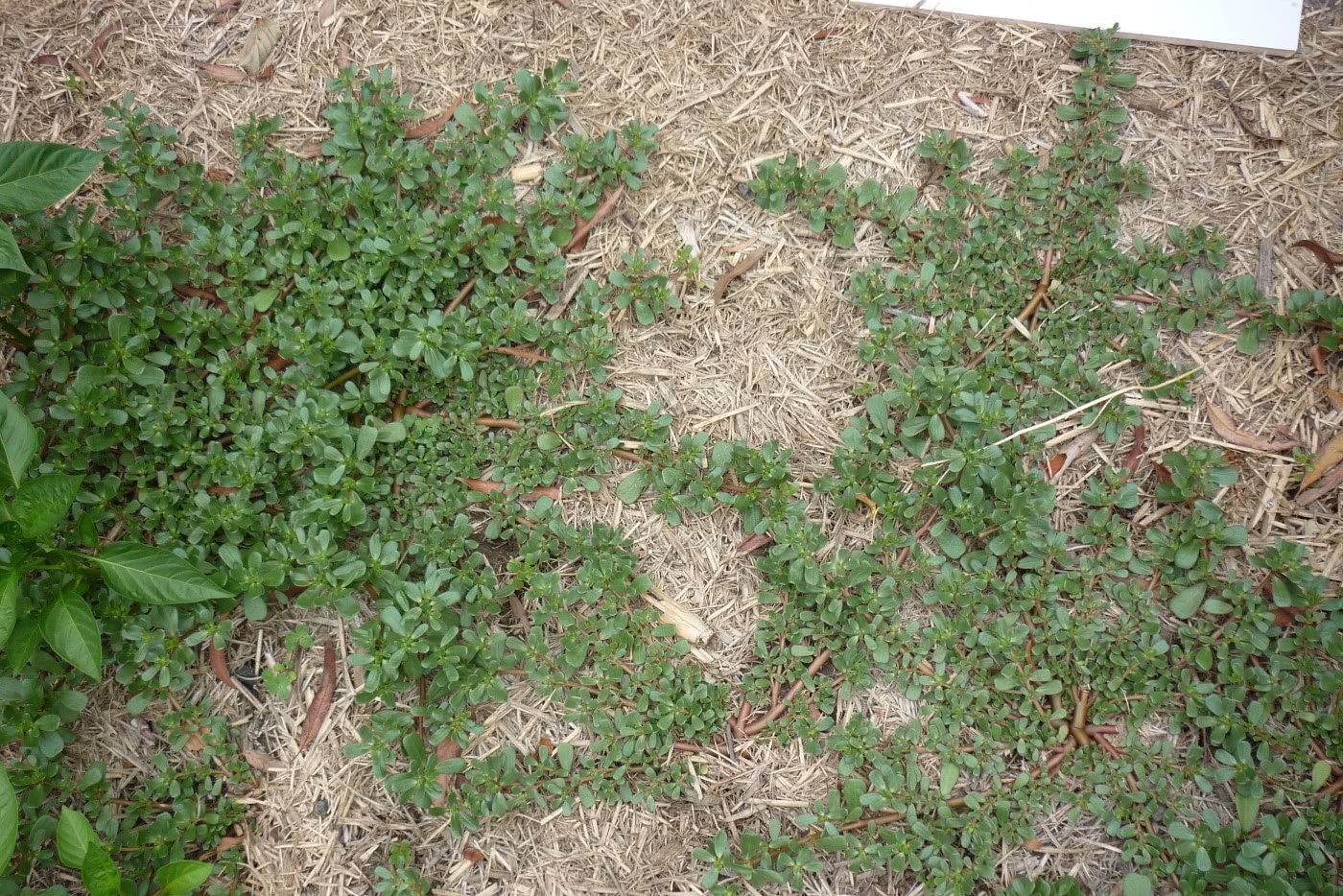
The leader of the six amaranths is hard to eradicate, reduced to a wild vegetable in the fields
This season is exactly when amaranth grows most vigorously. Many farmer friends have planted amaranth, with the more common types being red-leaf amaranth and white amaranth, and most people have only eaten these two kinds. But in fact, there are many types of amaranth. In ancient China, pe...
-
How to control aphids in cornfields? These methods are very practical
How to control aphids in cornfields? The methods for controlling aphids in cornfields are as follows: (1) Chemical control: use 5% phorate granules at 200 g per 667 sq m, mix with 1.5 kg of fine sand or soil, apply the pesticide every other ridge, and fumigate to kill the aphids; spray 0.5% dimethoate powder at 1.5-2.0 kg per 667 sq m, or 50% dimethoate...
-
What are the key management techniques for growing winter melon in paddy fields?
How do you manage winter melon grown in paddy fields? What methods can increase yield? Growing winter melon in paddy fields can use the following three methods to increase yield: fertilizer and water management. During the stem and vine growth stage of winter melon, watering is not easy, so a combined "promote" and "control" management approach should be adopted. After watering, cultivate in time to conserve soil moisture and extend the watering interval...
-
What is the correct method and purpose of draining paddy fields for rice?
How do you drain a paddy field for rice? What does it do? Please explain the field-draining method. Draining paddy fields is one of the main technical measures for increasing rice yields and promoting early ripening. 1. Main purposes of field draining. 1) Control ineffective tillering and consolidate effective tillering. When rice tillering has reached a certain number, that is, once there are enough seedlings, in our province, in terms of time, the effective tillering termination period is around the end of June. Early tillers can form panicles, while tillers after the termination period cannot form panicles or only form small panicles. In production, by draining the field, the young tiller buds at higher positions cannot get water and fertilizer and stop growing, reducing nutrient consumption, so that the main stem and large tillers receive more nutrient supply, laying a foundation for strong stems and large panicles.
-
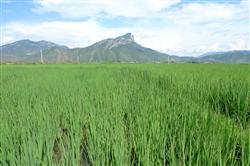
What are the correct methods and precautions for draining and drying rice fields?
How to dry a rice field properly? An introduction. Draining and drying a rice field is an important measure for improving paddy soil structure, promoting rice seedling roots to grow downward, enhancing rice root vigor, increasing rice stalk toughness and lodging resistance, controlling ineffective tillering, raising the percentage of productive tillers, improving the field microclimate, and reducing the occurrence of rice diseases and insect pests. But...
-
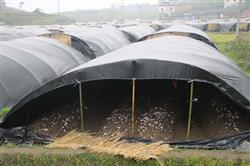
What are the methods for growing button mushrooms in rice fields?
How are button mushrooms grown in rice fields? Please explain. Button mushroom cultivation in rice fields is a planting method that uses rice straw and other materials as the main raw materials, which are composted and fermented to make the growing substrate, utilizes the temperature and light resources of autumn, winter and spring and the idle seasons, and adopts open-field cultivation of button mushrooms in rice fields after the rice harvest. 20...
条件筛选