The leader of the six amaranths is hard to eradicate, reduced to a wild vegetable in the fields
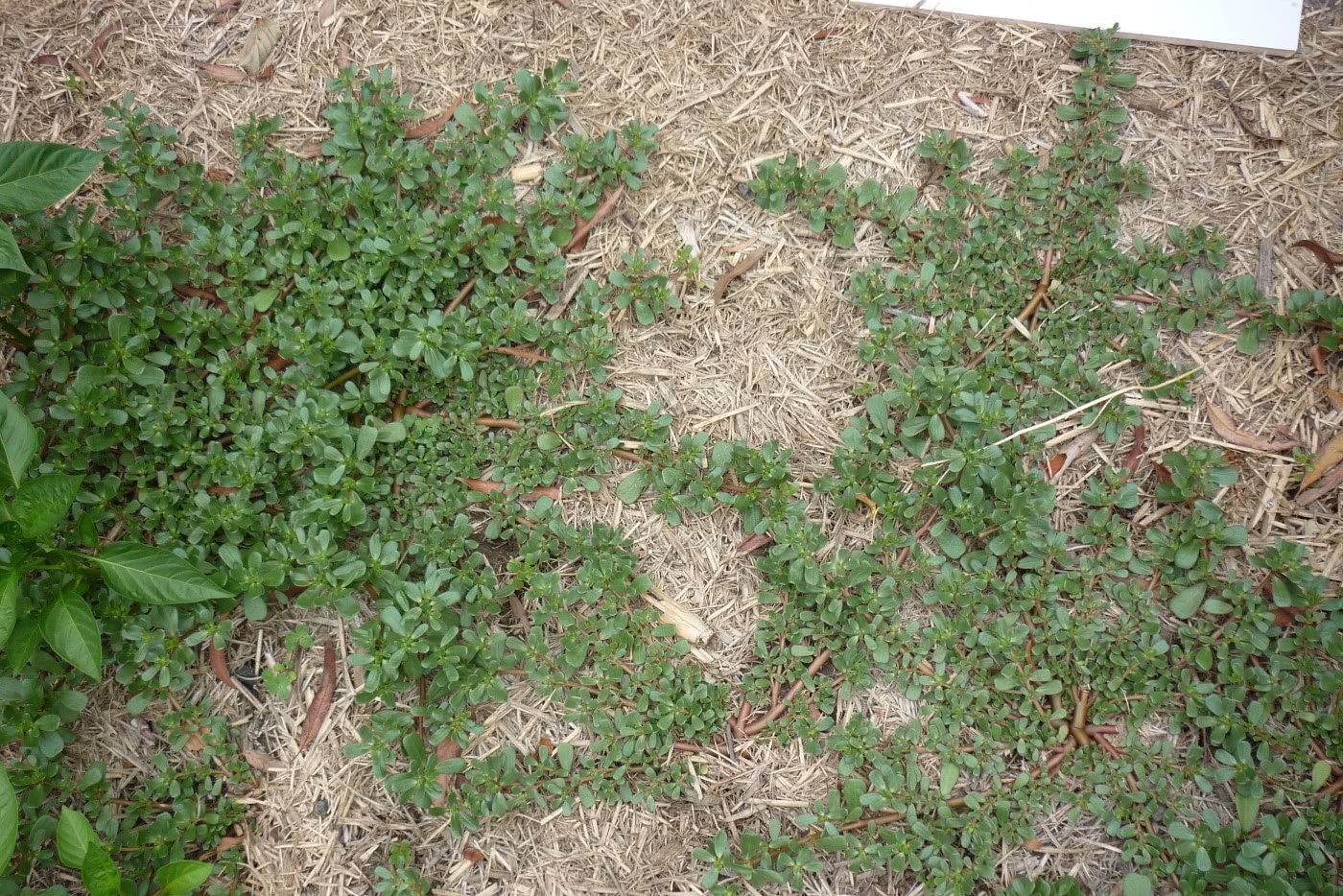
This season is exactly when amaranth grows most vigorously. Many farmer friends have planted amaranth, with the more common types being red-leaf amaranth and white amaranth, and most people have only eaten these two kinds. But in fact, there are many types of amaranth. In ancient China, people specifically listed six kinds of edible amaranth, which are highly nutritious and were called the "six amaranths." These six amaranths are: white amaranth, red amaranth, purple amaranth, five-color amaranth, ren amaranth and purslane. Among them, purslane is hailed as "the leader of the six amaranths." Have you ever eaten it?
In ancient times, purslane was regarded as a vegetable, but in modern society, it has been reduced to a wild vegetable. This is because in ancient times, the level of agricultural development was relatively low, and people were doing well just to fill their stomachs. There were very few varieties of vegetables, so some wild vegetables in the fields also became vegetables that people ate at that time. Purslane has extremely strong vitality. Its root system is very developed and can produce many side branches, which then take deep root in the soil. Moreover, it reproduces very quickly. If one purslane plant appears in a patch of wasteland, then before long the entire patch of land will be covered with purslane.
It is precisely for this reason that purslane, which was listed as "the leader of the six amaranths" in ancient times, has instead become a harmful weed in farmland today. This is because purslane is very difficult to eradicate. Even if it is pulled up by the roots, as long as a bit of broken root remains in the soil, it will "come back from the dead." As the saying goes, if you cut the grass but do not remove the roots, there will be endless trouble, and this saying has come true with purslane. So in the past, purslane also had the alias "long-life vegetable," meaning that it is very long-lived and not easy to get rid of. However, it is not entirely without merit, because it is not only edible but also a very delicious wild vegetable.
Many elderly people in rural areas like to eat purslane, because its texture is smooth and slippery, and it also has very good medicinal value. It can be said to be both a vegetable and a medicine. Purslane is cold in nature. Eating it in summer clears heat, stops bleeding and cools the blood, and it can also promote urination. It even tastes better than the amaranth grown in vegetable gardens. Dear readers, have you ever eaten purslane?