Management methods for eliminating overwintering cotton bollworm through winter plowing of cotton fields
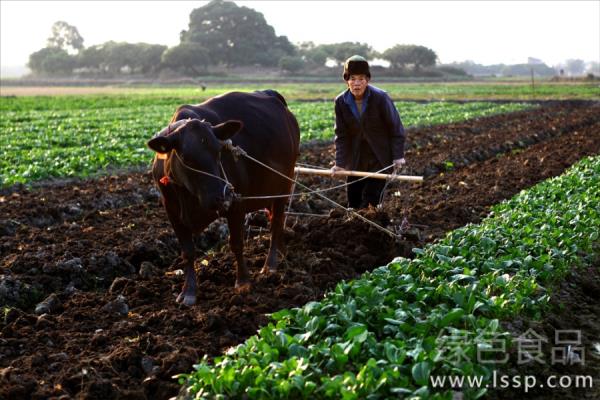
Winter plowing
Winter plowing is both an important measure for increasing cotton yields and an effective method for eliminating overwintering cotton bollworm. In winter, the insects overwintering in the fields include pupae, red spider mites, aphids and some soil-dwelling pests. In winter, plowing the soil exposes the pests, their pupal cells and eggs to the air and freezes them to death, without using any pesticides, and effectively reduces the base population of pests the following year. It is a good method of pollution-free pest control.
Winter plowing has multiple killing effects on cotton bollworm:
① It destroys the pupal chamber, changes the natural state of the pupa, and reduces the emergence rate the following spring;
② It turns some pupae up to the soil surface, causing them to dry out, freeze to death, or be pecked and eaten by natural enemies;
③ It turns some pupae into the deep soil layers, so that they cannot emerge normally from the soil and are smothered to death, thereby reducing the overwintering pest source.
Technical requirements for winter plowing:
1. Scope of winter plowing. The overwintering sites of cotton bollworm are mainly cotton fields, but they can also overwinter in dry land; rice stem borers, such as the striped stem borer and the yellow stem borer, overwinter in rice roots, while aphids, red spider mites and eggs overwinter in the cracks of idle winter fields and in grass clumps. Therefore, winter plowing for pest elimination must be carried out over a relatively large area to be effective. The best approach is, within the scope of several villages or even a township or town, to plow all idle cotton fields, reserved rows after cotton, rice seedling beds, reserved wheat fields, and empty orchard land, so as to destroy the overwintering sites of various pupae, adults and eggs.
2. Timing of winter plowing. The pest-killing effect of winter plowing lies in destroying the living environment of pests in various developmental stages, turning some pests in various stages into the deep soil layers so that they cannot survive and live normally and are smothered to death, or turning them up to the surface to be dried or frozen to death by the cold low temperatures. Therefore, the earlier the winter plowing and the colder the climatic conditions, the higher the mortality rate of pests in various stages, because during winter plowing the temperature is low and the air is dry, and pests in various stages die from massive water loss or freezing. Each year, generally from the end of December to early February of the following year, the temperature is at its lowest, which is a period of greater threat to pests in various stages, and the pest-killing effect is good. It should be carried out promptly after the previous crop is harvested, and completed before the ground freezes (when the frozen soil layer exceeds 5 cm), so as to prolong the weathering time, improve the pest-killing effect, and help take in more rain and snow. Plowing after the ground has frozen not only makes cultivation difficult and lowers plowing quality, but also gives a poor pest-killing effect.
3. Winter plowing method. For winter plowing, the depth should be more than 10 cm. The deeper the winter plowing, the better the pest-killing effect, but it should not be plowed too deep, otherwise it easily causes soil water loss. For winter plowing, first do a rough harrowing, then a fine harrowing to break up the clods, so as to store water and retain moisture and increase the soil water-holding capacity; where conditions permit, it can be plowed 2-3 times in this way, plowing once every 12-15 days or so. At the same time, during the plowing and harrowing process, more overwintering pests can also be killed, giving an even better pest control effect.
4. Irrigation after plowing. In the cold winter, pests are relatively tolerant of drought but not of moisture, and are tolerant of freezing. According to research by relevant units, when the relative soil water-holding capacity is 40%, the mortality rate of pests in various stages reaches 36.6%, and when the soil water-holding capacity is saturated, the mortality rate of pests in various stages reaches more than 80%, and some can reach 100%, such as cotton bollworm pupae and cabbage caterpillar pupae. Therefore, wherever irrigation conditions are available, winter irrigation or spring irrigation can follow winter plowing, which can significantly increase the mortality rate of overwintering pests in the soil.