Key Points and Management Methods of Bean Worm Farming Technology Explained
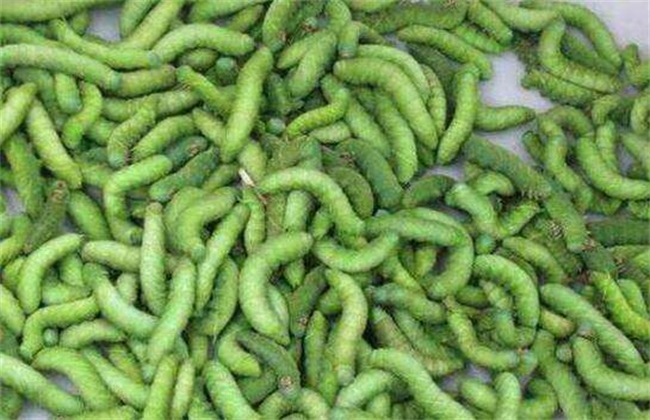
The bean worm, also called the bean cicada, is a major pest that harms soybeans, but in recent years people have discovered that the bean worm is a source of high protein, with a protein content higher than that of fish. In addition, it contains large amounts of various trace elements and can be processed and dried for use as medicinal material. It can also be cooked as a dish and has certain dietary therapy value. So people began to farm bean worms and then sell them to gain economic benefits. Bean worm farming also has certain particular methods, so today I will introduce to everyone the specific farming methods and techniques for this bean worm.
1. Setting up a breeding field
Find a field plot with relatively high terrain, facing the sun and sheltered from the wind, with good drainage and ventilation, to use as a breeding field. A breeding field about 3 m long and wide should be set up. Then the field must be enclosed on all sides with fine mesh netting, generally with a height above 1 m. Below one meter, they easily escape. After choosing the land, prepare the soil at the end of May, and after fertilizing, plant soybeans in June.
2. Obtaining seeds
You can go into the wild to catch mature larvae and then put them into the field to raise. About 80 wild larvae should be raised per 1 sq m of breeding field. Then the larvae can feed on the planted soybeans, and after feeding for a period of time, they will begin to burrow into the soil to dormant in September. Then cut the soybeans, do not plow, and maintain the environment. You can also directly buy larvae to release and raise.
3. Pupation, egg laying, and hatching
In April, when the temperature rises, they pupate in the soil. During pupation, soybeans must be planted again. In June, they will emerge as adults, and then begin to lay eggs. The eggs are generally laid on the back of soybean leaves. Adults lay eggs three hours after mating. During this period, prevent them from flying away from the breeding field. One adult lays more than 200 eggs at a time. In July, basically all the eggs will hatch.
4. Feeding
Before pupation, plant soybeans to provide food. The larvae in a 9 sq m breeding field, throughout the entire larval stage, need soybean leaves from one mu or two mu of land to supply feeding. The hatched larvae can be raised indoors, just like raising silkworms, raised in separate pools, with the pools covered with gauze netting to prevent escape, and fresh soybean leaves can be picked and scattered to feed them. The leaves fed should increase as the larval instar increases.
5. Keeping seeds
When September comes again, it is necessary to select robust mature larvae and put them into the breeding field to let them overwinter, then pupate and emerge the following year, mate, lay eggs, and hatch new larvae. This is how the insect seeds for the coming year are kept. In the future, every year of farming requires keeping seeds in this way.
Bean worm farming must be kept away from soybeans planted by other households, and farming should be done in an isolated area. Bean worm farming can be considered an emerging project and is very suitable for rural farming, to be invested in as a project for getting rich. At present, the farming quantity is not large, but market demand is very high. So if you identify this project for getting rich, I believe you can obtain better economic benefits.