-
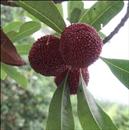
What to Do About Copper Deficiency in Waxberry? Causes and Control Methods Explained
Waxberry twig blight is caused by boron deficiency, so planned boron supplementation can eliminate the harm of this disease. Spraying a 0.1 to 0.2 borax solution 2 to 3 times during the waxberry growing period can effectively control the disease. Root application can also be used; for mild boron deficiency, use 0.3 to 0.6 kg of borax per mu, and for severe boron deficiency, use 1.3...
-
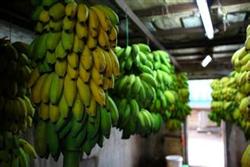
Key Points and Methods of Banana Ripening Techniques Explained
1. Natural physiological after-ripening. This is the method by which bananas turn yellow and ripen by relying on the fruit's own after-ripening process, without artificially adding ripening agents. In seasons with higher temperatures (20°C-30°C), after the banana hands are separated, they are packed into fruit baskets, about 25 kg per basket, then placed in a sealed room and stacked 3-5 layers deep, and in about 7-10 days they turn yellow...
-
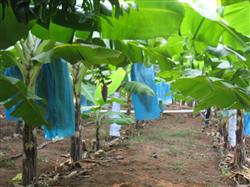
What does off-season banana cultivation mean? Explained clearly in one article
Spring-summer bananas, also called off-season bananas, refer to bananas harvested from mid-spring to early summer, mostly from March to May, sometimes also from February to June, including old-flower bananas (snow bananas) and most new-flower bananas. Because temperatures are lower in winter and spring, yields are lower. In China, March to May is the off-season for fruit, so banana prices are higher at this time, which also benefits banana storage...
-

How to overwinter and protect spinach seedlings in the north? Key technical points explained in detail
Celery, also known as Western celery, foreign celery, or American celery, is planted in autumn in the Shuyang area. The average yield per mu is 3000-4000 kg, and high-yielding fields can reach 5000 kg per mu. Its high-yield autumn cultivation techniques are briefly described as follows: 1. Select good varieties for sowing. Choose varieties that bolt late, have strong stress resistance, are not prone to softening, and have thick, solid stalks...
-
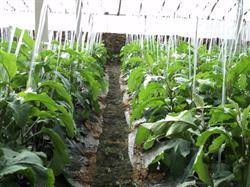
Comprehensive Fertilization Techniques for Eggplant: Key Points Explained
Eggplant is an annual herbaceous plant, and a perennial shrub in the tropics. Eggplant has a well-developed root system; the roots of a mature plant reach more than 1.5 m deep, with a lateral diameter exceeding 1 m, while eggplants grown under protected cultivation have roots mainly distributed in the 0-30 cm plow layer. Eggplant roots have poor regeneration capacity and lignify early, so they are not suitable for repeated transplanting...
-
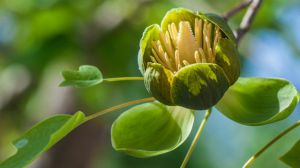
How to propagate tulip tree (Liriodendron) from cuttings? Detailed propagation method explained
Hardwood cuttings: Cut a well-growing branch from the mother plant, ideally 15-20cm long, with 2-3 buds on each segment. Coat it with rooting powder, then insert 2/3 of it into the soil. Do not expose it to direct strong sunlight; keeping it slightly moist is enough. Softwood cuttings: Cut well-growing soft shoots, keep 1-2 leaves, prepare the cutting medium, and finally insert them into the medium.
-

How to Improve the Survival Rate of Snail Farming? Practical Methods Explained in Detail
How to Improve the Survival Rate When Farming Snails
-

Key Points and Methods of Russian Olive Tree Planting Techniques Explained
Russian Olive Tree Planting Techniques
-

What to Do About Cotton Seedling Death? Prevention and Control Measures Explained in One Article
Prevention and Control Measures for Cotton Seedling Death
-
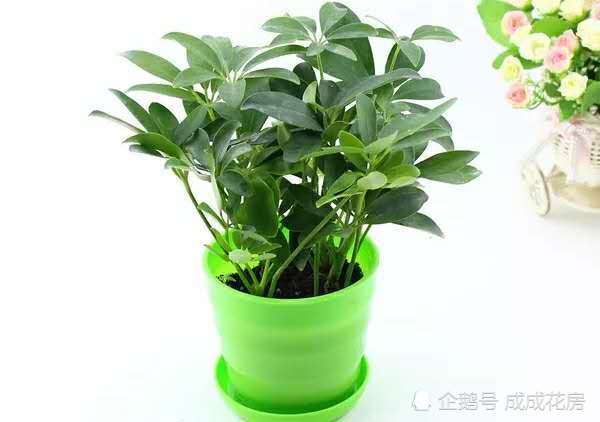
Why is the money tree dropping leaves? Causes and traditions explained in one article
Yesterday I posted an article on how to propagate umbrella plants (Schefflera arboricola) from cuttings. After reading it, a fellow gardener left Chengcheng a message saying that the umbrella plant they are growing has recently started dropping leaves, and asking Chengcheng what the cause is. Chengcheng tells everyone: if the umbrella plant...
条件筛选