What does off-season banana cultivation mean? Explained clearly in one article
Spring-summer bananas, also called off-season bananas, refer to bananas harvested from mid-spring to early summer, mostly from March to May, sometimes also from February to June, including old-flower bananas (snow bananas) and most new-flower bananas. Because temperatures are lower in winter and spring, yields are lower. In China, March to May is the off-season for fruit, so banana prices are higher at this time, which also benefits banana storage...
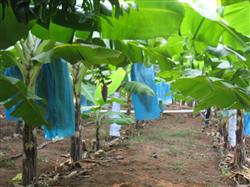
Spring-summer bananas, also called off-season bananas, refer to bananas harvested from mid-spring to early summer, mostly from March to May, sometimes also from February to June, including old-flower bananas (snow bananas) and most new-flower bananas. Because temperatures are lower in winter and spring, yields are lower. In China, March to May is the off-season for fruit, so banana prices are higher at this time, which also benefits banana storage and transport. In addition, the fruit of spring-summer bananas does not grow during the typhoon season and is not damaged by wind, so at present Hainan, southwestern Guangdong, Fujian and parts of Guangxi all mainly cultivate spring-summer bananas. Since most of the tissue-culture plantlets currently promoted are planted in spring, the first crop is spring-summer bananas, so spring-summer bananas account for a very large share of China's banana production. But although off-season bananas can avoid wind damage, they often encounter cold damage. Severe cold damage, such as the frosts in two consecutive years from 1992 to 1993, destroyed bananas in the vast majority of banana-growing areas, causing most banana farmers to lose everything and severely affecting banana production. Therefore, off-season bananas can only achieve good results in years or regions with relatively warm winters.