-
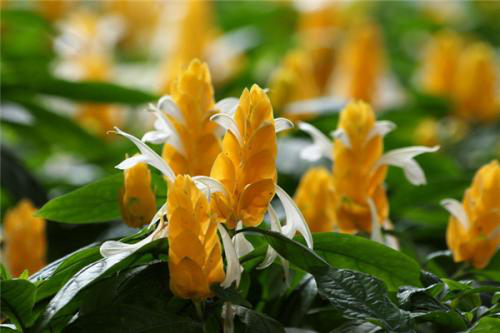
Pachystachys lutea Growing Methods and Precautions Explained
1. Temperature The suitable temperature for the growth of Pachystachys lutea is about 15°C-25°C. Too high or too low a temperature is bad for its growth. Too low a temperature will cause leaves to fall off, and in severe cases the plant may even wither and die. In winter, it should be placed indoors in a spot with ample sunlight, watering should be slightly controlled, and the temperature should be at least above 10°C.
-
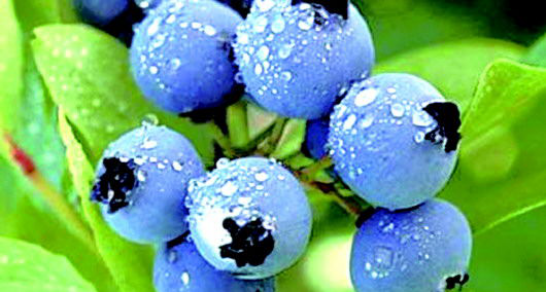
Blueberry Planting Methods and Key Technical Points Explained
I. Light Light is essential for the growth of blueberries. Long-term insufficient light will lead to fewer flower buds on blueberry plants, affecting fruit quality. At the same time, the plants should be properly pruned, and old branches should be cut off in time, which is beneficial to the photosynthesis of potted blueberries and helps produce beautiful fruit
-
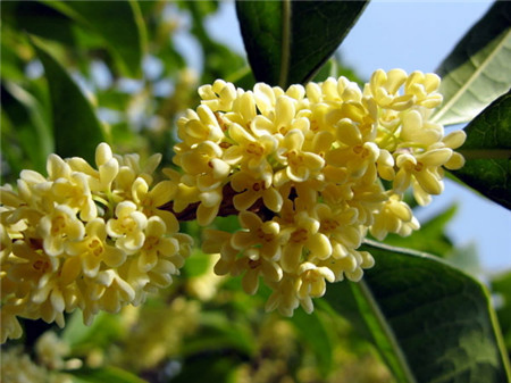
How to grow Osmanthus fragrans 'Semperflorens'? Growing methods and precautions explained in one article
1. Temperature: Osmanthus fragrans 'Semperflorens' likes a growing environment of 18°C to 25°C best, and blooms abundantly at this time; if it is below 15°C, flowering will decrease; it can overwinter at 3°C to 5°C, but will not bloom. So if you want it to bloom more, you need to pay attention to controlling the temperature
-
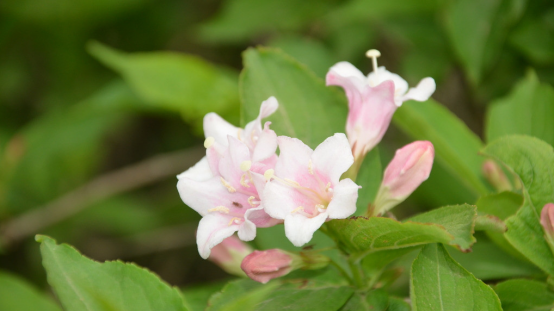
How to grow Weigela florida? Care methods explained in one article
1. Soil. Weigela florida likes fertile soil. When cultivating, choose a sandy soil with good drainage, loose and airy texture as the substrate, and it can also be mixed with nutrient-rich peat soil. After sowing, spread a layer of fine sand 1-2 cm thick, which can help the seeds germinate better. 2. Fertilizing
-
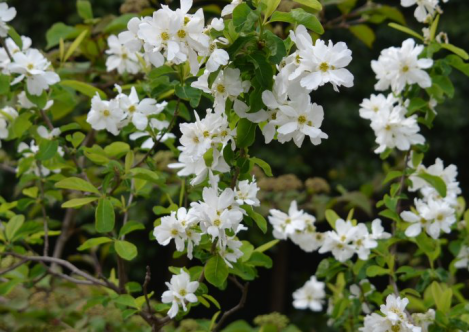
What are the propagation methods for Exochorda racemosa? Explained clearly in one article
1. Seed propagation. The seeds of Exochorda racemosa ripen in August and September in autumn. After harvesting, they are sun-dried, threshed and stored in a sealed container. In February to March of the following year, they are sown in drills with a row spacing of about 20 cm. After sowing, a 1 cm thick layer of mud ash is spread on top, then covered with grass to retain moisture. Seedlings generally emerge after one month
-
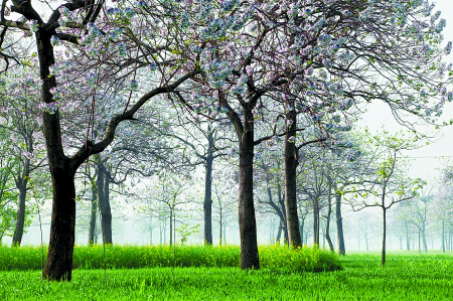
Paulownia Cultivation Methods and Growing Techniques Explained in Detail
1. Light and temperature: Since Paulownia is a relatively easy species to grow, it can be planted anywhere with sunlight. It likes places with abundant sunshine and has strong drought tolerance, so there is no need to worry even if it goes without watering for a long time. As for temperature, Paulownia likes warm places, so temperatures can go as low as minus 25°C
-
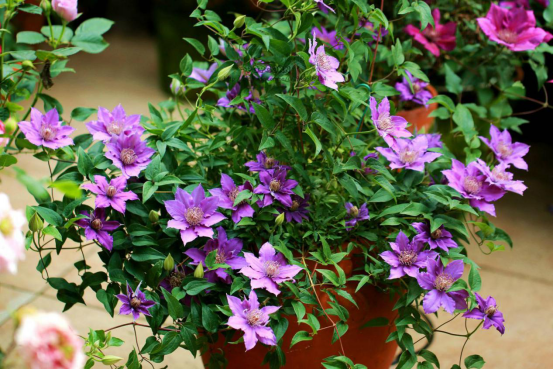
Clematis Cutting Methods and Steps Explained in Detail
1. When choosing branches, try to pick relatively young ones that have not yet fully lignified. Young branches take root and sprout more easily. 2. After cutting the branches short, place them in a vitamin B solution for two hours, then take them out and apply a little rooting powder. 3. Insert the branches into a seedling tray filled with perlite.
-
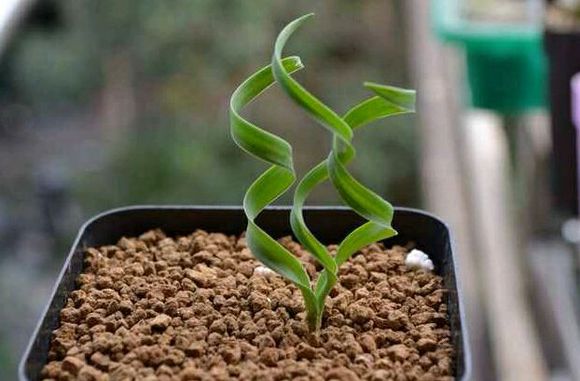
What are the propagation methods for the spring grass? Explained clearly in one article
Seed propagation Spring grass has a relatively high survival rate when propagated by seed, so it is also widely used. We generally choose to propagate in autumn, select plump seeds, bury the seeds in loose, fertile sandy soil, then cover with a piece of glass and water, keeping the soil and air moist to increase the seedling emergence rate
-

What to Do About Leggy Beans? Causes and Control Methods Explained
Causes of Leggy Bean Plants and How to Control Them
-

Greenhouse Tomato Winter Management Methods, Explained in One Article
Greenhouse Tomato Winter Management Methods
条件筛选