What are the propagation methods for the spring grass? Explained clearly in one article
Seed propagation
Spring grass has a relatively high survival rate when propagated by seed, so it is also widely used. We generally choose to propagate in autumn, select plump seeds, bury the seeds in loose, fertile sandy soil, then cover with a piece of glass and water, keeping the soil and air moist to increase the seedling emergence rate. Note that if you want to avoid washing the seeds or young seedlings out of the soil when watering after sowing, we need to use the "seep irrigation" method of watering, placing the flower pot in a basin of water so that moisture slowly soaks the soil through the drainage holes at the bottom of the pot.
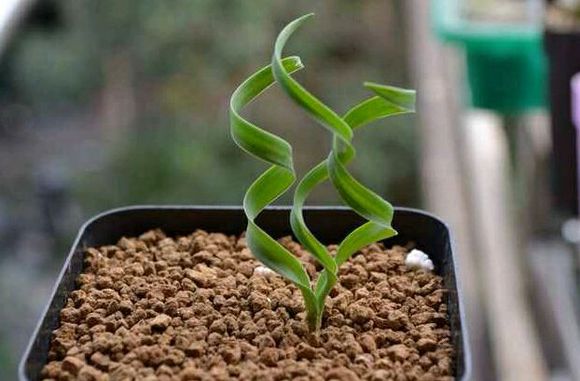
Division propagation
The method of division propagation is to choose the small stems sprouting around the spring grass and break them off. Note that you should select ones with relatively good appearance and good growth condition for division propagation. Insert them gently into moist, fertile soil. When planting, about 1/3 of the bulb should be exposed above the soil surface. Whether they have roots or not, spring grass can survive.
Have you all learned the propagation methods for spring grass? What other precautions do we need to pay attention to when propagating?
How to grow spring grass
Light
Spring grass likes to grow in places with light. Sufficient light can meet the growth needs of spring grass, making it coil and twist and giving it high ornamental value. If there is insufficient light, its leaves will become thin and weak, and the degree of curling will be poor, causing it to lose its ornamental value. However, in the hot summer, shade netting should be put up for shading to prevent strong direct light from scorching the leaf tips.
Temperature
Spring grass relatively prefers a cool environment and fears heat. In winter, keep the temperature above 10°C, and it can grow normally. If it is not lower than 5°C, it can overwinter safely. In summer, the plant begins to go dormant and the leaves dry up. It can be placed in a ventilated, dry place to pass the summer. After autumn arrives, it can grow again, and normal care is all that is needed.
Soil
Spring grass likes to grow in fertile, loose soil and requires soil rich in humus. Generally, leaf mold or peat soil can be chosen and mixed with knowledge and sand to ensure good drainage. Some bone meal can be added to the soil as a base fertilizer.
Watering
During the growth period of spring grass, the soil needs to be kept moist, but water must not accumulate at the bottom, because water accumulation at the bottom will cause the spring grass bulbs to rot. However, care must also be taken not to let it lack water, otherwise the spring grass plant will stop growing and the leaves will turn yellow. We can frequently spray water on the spring grass plant to ensure relatively high air humidity, and drain promptly during the rainy season.
Have you all learned the above growing methods? What other precautions do we need to pay attention to when growing it?
Propagation methods for spring grass
Propagation methods for spring grass
Division propagation
Gently break off the small bulbs sprouting around the large bulb of the spring grass. Note that you should select small bulbs with good appearance and good growth condition for propagation.
Then simply plant them shallowly in the soil. When planting, about 1/3 of the bulb should be exposed above the soil surface. Whether they have roots or not, spring grass can survive.
When we carry out division propagation of spring grass, we can do it together with repotting in autumn.
Seed propagation
This method is suitable for mass propagation. If you want to propagate spring grass to give to relatives and friends, then seed propagation is a good choice.
When autumn arrives, gently bury the seeds of spring grass in the soil and cover with a piece of glass to keep the soil and air moist, resulting in a relatively high seedling emergence rate.
After sowing and during the seedling stage, in order to avoid washing the seeds or young seedlings out of the soil when watering, the "seep irrigation" method of watering should be used, placing the flower pot in a basin of water so that moisture slowly seeps through the drainage holes at the bottom of the pot to moisten the soil.
Precautions for propagating spring grass
Light
Spring grass likes light, and sufficient light should be given during the growth period. Plants grown in sunny places have low, thick, sturdy leaves that coil and twist, giving them high ornamental value.
Repotting
Spring grass is generally repotted once a year at the end of August. The potting soil should be fertile and loose, rich in humus, and have good drainage and air permeability.