How to Grow Dictyophora indusiata (Bamboo Fungus) with Standardized Cultivation? Key Technical Points Explained
How do you grow bamboo fungus with standardized methods? What should you pay attention to? We also ask experienced growers to kindly share their know-how on standardized bamboo fungus cultivation techniques. Zhongdi Web gives a detailed introduction below for growers' reference. 1. Environmental requirements for bamboo fungus: Nutritional requirements of bamboo fungus: bamboo fungus is a nitrogen-loving fungus, and nitrogen is the raw material necessary for bamboo fungus to synthesize proteins and nucleic acids. If the nitrogen level is too low, the mycelium will not grow thick and strong, and yields will be low. Generally, bamboo powder and sawdust are deficient in nitrogen sources. When building piles for fermentation, add urea to the substrate, and apply additional urea to the cultivation site to increase nutrients in the cultivation site, promote thick and vigorous mycelial growth, and raise yields.
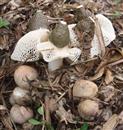 How do you grow bamboo fungus with standardized methods? What should you pay attention to? We also ask experienced growers to kindly share their know-how
Zhongdi Web gives a detailed introduction to standardized bamboo fungus cultivation techniques below for growers' reference.
1. Environmental requirements for bamboo fungus:
Nutritional requirements of bamboo fungus:Bamboo fungus is a nitrogen-loving fungus, and nitrogen is the raw material necessary for bamboo fungus to synthesize proteins and nucleic acids. If the nitrogen level is too low, the mycelium will not grow thick and strong, and yields will be low. Generally, bamboo powder and sawdust are deficient in nitrogen sources. When building piles for fermentation, add urea to the substrate, and apply additional urea to the cultivation site to increase nutrients in the cultivation site, promote thick and vigorous mycelial growth, and raise yields.
Oxygen requirements of bamboo fungus:Bamboo fungus is an aerobic fungus. The soil should be fertile and loose. When planting, cover with soil lightly to ensure a certain degree of air permeability in the substrate, so as to facilitate mycelial growth.
Temperature requirements of bamboo fungus:Bamboo fungus is a medium-to-high temperature type fungus and prefers shady, humid environments. The mycelial growth temperature is 5-32 °C, with the optimum at 23 °C; the fruiting body formation temperature is 20-30 °C, with the optimum at 25 °C. Therefore, when cultivating, it is necessary to build a shade shed or intercrop crops to prevent sun exposure, and keep the casing soil and ditch soil moist.
pH requirements of bamboo fungus:Bamboo fungus has long grown and reproduced in humus layers and slightly acidic soil, forming an adaptation to grow in a slightly acidic environment. Therefore, the pH value of the substrate and casing soil for bamboo fungus is required to be between 5 and 6.5. When the pH value is greater than 7, growth is inhibited.
2. Selection of bamboo fungus planting site and spawn
Selection of bamboo fungus cultivation site:Choose open fields with convenient transportation, fertile soil, and resistance to both drought and flooding. The bamboo, sawdust, reeds and other materials needed to cultivate bamboo fungus are large in quantity and heavy, so choosing fields with convenient transportation can save handling costs. The soil layer should be thick, with high humus content, loose and air-permeable, and with good water retention. The field should be able to be irrigated in drought and drained in flooding, so as to help keep the casing soil and ditch soil moist.
Bamboo fungus should not be planted in continuous cropping. It should be shifted from lower fields to higher fields to avoid cross-infection by pathogens that reduces yields. Planting must be separated by more than 4 years. Higher fields and surrounding fields that have not been planted are best. Dry land, fields that grew fertilizer-loving dry crops such as sweet potato the previous year, and fields dominated by fine sand that have poor water retention and are prone to drought are all unsuitable for planting because of nutrient deficiency and many insect pests.
At the same time, intercropping in bamboo, fruit and other forest land can also be adopted. Choose gently sloping areas with horseshoe-shaped mountain hollows, loose and fertile soil, high organic matter content, soft texture, and forest land below 25 degrees is preferable. The density should be moderate (130-180 plants per mu), and Chinese fir forest land 8-12 years old or two years after thinning is best, with good water conservation and moisture retention conditions.
Selection of bamboo fungus varieties:When purchasing spawn, choose those with neat, robust and vigorous mycelial growth, spawn age of 65-75 days, and those that feel relatively hard when handled are best; the appearance of yellow water droplets indicates it is too old. When purchasing spawn, check whether the spawn seller's documents are complete, and ask for a purchase receipt.
3. Fermentation technology for bamboo fungus substrate
For field cultivation with fermented bamboo fungus substrate, the following should be achieved: (1) Fertilizer amount in place, using 50 kg urea and 10 kg compound fertilizer per mu. (2) Substrate in place, using 15-16 cubic meters per mu, about 7200 kg. (3) Spawn amount in place, using 550-600 bags of spawn per mu, with each bag 0.5 kg.
Material preparation: Raw material types include bamboo shavings, sawdust, crop straw, etc. Schedule this in October to December each year. The substrate should be fresh. Fresh material heats up quickly during fermentation, while blackened, rotted material has a low fermentation temperature and will affect yields. Substrate purchased early should be stored properly to prevent natural fermentation from high temperature and rain, which burns the material and reduces nutrients in the substrate. Material preparation per mu: 14 cubic meters of bamboo shavings, 2 cubic meters of sawdust, 25 kg urea, 10 kg compound fertilizer, and 25 kg light calcium carbonate.
Building piles for fermentation: Through building piles for fermentation, complex carbohydrates are decomposed and rotted, and transformed into nutrients that bamboo fungus mycelium can easily absorb and use. The purpose of fermentation is, on the one hand, to increase the nitrogen content of the substrate, making the substrate soft and rotted, so as to facilitate mycelial degradation and promote growth. On the other hand, it is to eliminate contaminating microbes. The high temperature produced during fermentation can kill contaminating microbes and pests in the substrate, and destroy alkaloids in the substrate.
Pile-building method: Start building piles for fermentation 45-60 days before planting. First spread a layer of substrate about 30 cm thick, sprinkle on urea, compound fertilizer and light calcium, pour on clean water and turn the substrate. Dig holes beside the pile to collect the water that seeps out for reuse. Then spread another layer of substrate, sprinkle on urea, compound fertilizer and light calcium, and pour on clean water. Repeat this so that the pile becomes trapezoidal. When it reaches 1.3 m high, tread it slightly firm. Use less water for the first few layers.
Turning the pile: Turn the pile once every 15-18 days, swapping the inner and outer material, and add water according to how dry or wet the substrate is, keeping the substrate moisture content at about 60%, that is, when squeezed in the hand it forms a ball and water appears between the fingers without dripping. Choose a sunny morning after 9 o'clock when the temperature is relatively high to turn the pile. When turning, the temperature in the material is 50-60 °C, steam rises, and the feet feel hot. Turn the pile evenly 3 times. Determine the fermentation time according to the coarseness of the material, until the material color becomes brown and it has a fragrant smell. The process of turning the pile is also the process of expelling waste gas and replenishing oxygen.
4. Field cultivation of bamboo fungus
Field preparation:Gather the rice straw in the field and place it on the surrounding field ridges. Use a grass chopper to chop away the rice stubble. 10 days before planting, on rainy days, evenly apply 20 kg urea and 50 kg superphosphate per mu, or after fermenting the substrate, evenly apply 35 kg urea and 100 kg superphosphate per mu, then use a mini tiller to turn and level the soil, expose it to the sun for sterilization, and weather it to loosen the soil. The bed width is about 70 cm, the ditch width is about 25 cm, and the bed length and drainage ditches can be determined according to the field.
Sowing bamboo fungus and covering with soil:From February to March each year, sowing can begin once the temperature steadily stays above 5 °C. Harvest begins 90-110 days after sowing, with 3-4 flushes possible, and harvesting ends in late September.
Before sowing, pour the fermented material into a turtle-back-shaped mushroom bed, and check whether there is ammonia gas in the substrate. If there is, cool the material for another 2-4 days. Choose cloudy days or light rainy days to cool the material, and prevent heavy rain from washing away nutrients in the substrate. It is best to sow while cooling. If the material is dry, water it so that the moisture content stays at about 60%. Use the "one" shaped sowing method, and insert spawn in alternating head-to-tail fashion, covering with less substrate. Bank soil on both sides of the mushroom bed, cover with slightly crumbled soil and cover lightly. When there is more material, the soil is 7 cm thick; when there is less material, it is 4 cm thick, forming a turtle-back shape.
After covering with soil, cover the bed surface with rice straw over the topsoil. After 3-5 days, when the rice straw absorbs moisture and softens, cover with plastic film. In early spring the temperature is low, and the plastic film plays a role in moisture retention and heat preservation, which is favorable for mycelial growth.
After covering with plastic film, set up posts and build a frame. The frame height is about 1.8 m. The mushroom frame must be built firmly to prevent being blown over by wind. Begin cutting reeds in early April for later use.
10 days after sowing, conduct irregular sampling inspections of spawn germination and feeding on the substrate, especially checking spawn in the fermented site. Normally growing spawn appears as white fluffy mycelium. If block-shaped spawn is found to have turned black and smells bad, identify the cause and replant in time to ensure the spawn survival rate, and prevent rodent damage.
5. Mycelial growth management of bamboo fungus
Ventilation and air exchange:During mycelial growth, the substrate is decomposed, oxygen is absorbed and carbon dioxide is released. The film should be lifted irregularly for ventilation and air exchange so that the air in the bed is fresh. Otherwise, if the carbon dioxide concentration in the bed is too high, normal mycelial growth will be affected. Cover again after ventilating for 1 day.
Maintain humidity:Bamboo fungus tolerates neither waterlogging nor drought. It is necessary both to prevent water accumulation in the bed ditches on rainy days, which causes oxygen deficiency and suffocation and death of the mycelium, and to prevent the mycelium from shrinking during sunny drought. During the mycelial development stage, the moisture inherently contained in the medium is sufficient for mycelial growth, but in sunny weather, film covering, and other conditions, the moisture in the substrate and casing soil decreases somewhat.
In order to maintain the substrate moisture content at 60% and the casing soil moisture content at 25%, supplementary water is needed. On sunny days, keep shallow water stored in the bed ditches, but it must not be higher than the bottom of the substrate, to prevent suffocation and death of the mycelium. On rainy days, drain the water in the bed ditches, keep the casing soil and ditch soil moist, and combined with ventilation and air exchange, lift the film so that the topsoil is thoroughly wet, then cover with plastic film again.
Temperature control for mycelial growth:When continuous sunny weather pushes the temperature above 25 °C, adjust the bed temperature by lifting and covering the film, and ventilate and exchange air at the same time to prevent burning the mycelium. If the temperature is below 20 °C, in addition to ventilation and heat preservation, cover the plastic film well to prevent rain and preserve heat, so as to facilitate mycelial growth, and at the same time remove stray mushrooms. During the mycelial growth stage, generally do not easily turn the rice straw or casing soil, so as not to break the mycelium and destroy the mycelial strands, which would affect bamboo fungus growth.
6. Mushroom emergence management of bamboo fungus
During the budding stage of bamboo fungus, the main tasks are site rain protection and moisture retention. Especially when the second batch of mushroom buds is soybean-sized, if heavy rainstorms occur, cover with plastic film in time to prevent raindrops from the shade material from damaging mycelial and mushroom bud growth. Soil moisture is generally controlled so that the casing soil and ditch soil remain moist, and soil sticks together when squeezed by hand.
Weeding of bamboo fungus beds:Bed weeds do not need to be removed too early. When middle-finger-sized mushroom buds appear on the bed surface, or when drought occurs and the temperature steadily reaches 27 °C and the mycelium climbs onto the bed surface, use Roundup herbicide at the dilution ratio stated in the instructions to control weeds. Do not pull weeds by hand, to prevent loosening the topsoil sealed by the mycelium and damaging normal mycelial growth.
Shading the bamboo fungus shed:Once the weeds lose their green color, shading can begin. Cover with reeds (shade net) to achieve a shading effect of "eight parts shade, two parts sun", so as to facilitate bamboo fungus growth. After one flush is harvested, topdressing and insect control can be carried out, using urea, edible mushroom amino acids plus a pollution-free insecticide, sprayed after 3 p.m., sprayed thinly and frequently, to prevent the spray liquid from being too concentrated and burning the buds.
Pest and disease control of bamboo fungus:The main disease is sooty mold, which mainly occurs on the topsoil of the bamboo fungus bed surface or parasitizes the rice straw on the bed surface. In the morning it is red, and in the afternoon it gradually turns from red to black. It is a devastating disease that causes the bed substrate to become damp and black, inhibits mycelial growth, and makes mushroom buds water-soaked and rotten.
Measures: Bed weeds should not be removed too early. Drain standing water from the ditches, reduce the thickness of the covering material, and ventilate to lower air humidity; carefully remove the rice straw and topsoil, and keep them far from the mushroom shed, cut off the beds at both ends to prevent spread; at the same time use difenoconazole liquid to spray the affected parts, once a day for 3 consecutive days; ammonium bicarbonate can also be scattered on the affected parts, then covered with film and soil for prevention and control.
If slugs appear, they can be caught by hand on cloudy evenings.
Management of bamboo fungus after disaster: After a disaster, drain the ditch water. If no mycelium is seen in the casing soil 3 days after flooding and the substrate has turned black, then switch to crops such as rice, soybean or corn. If the base material is yellow and new mycelium grows in the casing soil, then remove the rotten mushroom buds, clear away the sand and stones piled in the ditches and the silt that has settled and hardened on the bed surface, and use a mixed liquid of urea, edible mushroom amino acids and insecticide for topdressing and pest control; cover with plastic film the next day, keep the soil moist, and promote mycelial growth; thicken the reeds and rice straw to prevent drought.
7. Harvesting and baking of bamboo fungus:
Bamboo fungus should be harvested at the right time: Because the temperature in May and June is unstable, mushroom harvesting is sometimes early and sometimes late. After rain and then sunny weather, mushrooms emerge early and in large numbers. Harvest immediately when the mushroom bud breaks open, the stalk extends and the cap emerges. The mushroom body should be clean and intact. Harvest 2-3 times a day, promptly remove the cap and volva, transport back and pour onto the baking trays, and let them naturally grow and spread their skirts.
Baking of bamboo fungus:The baking oven is sealed on all sides, with a moisture vent at the top; the fan power is 1.3 kilowatts/hour. When loading into the oven, avoid bamboo fungus sticking to the tray surface. First spread gauze on the tray, then arrange by mushroom size into upper and lower layers, with large ones on the lower layer and small ones on the upper layer, neatly arranged on the large baking tray, and tie with elastic bands to prevent them being blown apart during baking.
In order to keep the bamboo fungus neat, plump and bright white in appearance, a two-stage baking method is needed.
Moisture-removal and setting stage of bamboo fungus:After the bamboo fungus enters the baking room, open the moisture vent and light the fire to bake. The initial temperature can be higher, between 60-68 °C, to quickly remove the evaporated water vapor and allow it to release moisture and set. If exhaust is poor, the mushrooms easily turn black and the tubes shrink. However, because each baking room has different thermal performance, the temperature requirements differ somewhat. When starting to bake mushrooms, pay attention to mastering the appropriate temperature.
Drying and color-setting stage of bamboo fungus:When the bamboo fungus is dehydrated to 80% dry, take out the baking tray, tie the bamboo fungus neatly in bundles, then return them to the oven and place them upright to dry further and set the color. Close the moisture vent so that hot air circulates in the baking room. At this time, keep the baking room at 50-55 °C for about 0.5 hour. Irregularly feel the dryness and moisture of the bamboo fungus by hand. If dry, take them out, put them in plastic bags, tie the bag openings tightly to prevent moisture regain and discoloration, and store in a cool, dry room until sale.
Click to get more bamboo fungus cultivation techniques
Click to get more edible mushroom cultivation techniques