-
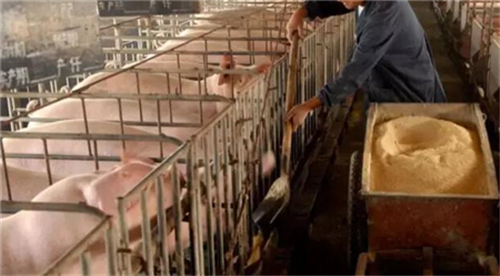
How to differentially diagnose swine transmissible gastroenteritis and porcine epidemic diarrhea
Differential diagnosis of swine transmissible gastroenteritis and porcine epidemic diarrhea
-
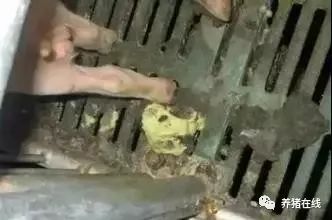
How is piglet yellow dysentery prevented and treated during the feeding and management period?
How is piglet yellow dysentery prevented and treated during the feeding and management period of piglets?
-

Research Progress on Porcine Transmissible Gastroenteritis Virus
Research Progress on Porcine Coronaviruses: Transmissible Gastroenteritis Virus
-
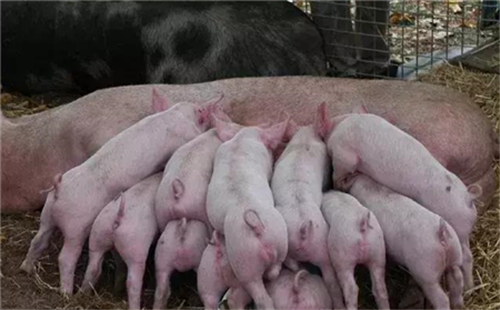
Practical 49-Day Management Plan for Sows Entering the Farrowing House
The 49-day management plan for sows entering the farrowing house is truly very useful!
-
What are the prevention and treatment methods for gastroenteritis in domestic rabbits?
Prevention and treatment methods for gastroenteritis in rabbit farming
-
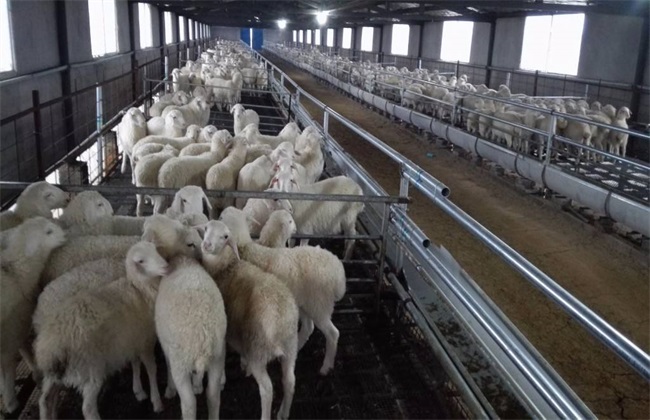
Symptoms and Treatment Methods of Sheep Gastroenteritis
Symptoms and Treatment of Sheep Gastroenteritis
-
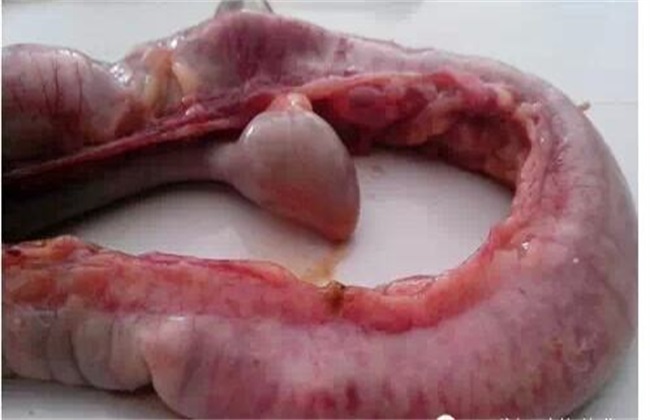
What are the prevention and treatment methods for necrotic enteritis in chickens?
Prevention and treatment methods for necrotic enteritis in chickens
-

Ranking of egg-laying hen breeding enterprises by flock size released, industry in an uproar
Recently, the first phase of the 3-million-layer egg-laying hen breeding project newly built by Shanxi Jinlong Group with an investment of 370 million yuan, the largest single-site flock in Shanxi Province, has officially been put into production,...
-
How to treat fish enteritis? Sharing treatment experience
In the process of aquaculture (especially large-scale farming of allogynogenetic gibel carp on the coastal tidal flats of northern Jiangsu), farmers often encounter the problem that the fish they are raising grow slowly or do not grow at all. Through testing of various water quality indicators in the aquaculture water environment (pH, dissolved oxygen, ammonia nitrogen, nitrite nitrogen, hydrogen sulfide, etc.), all met aquaculture water standards; testing and microscopic examination of the farmed fish bodies found no parasites on the gills or body surface. There were no abnormal symptoms at the anus, but when the abdomen was gently pressed there was "gelatinous feces,"
-
Prevention and Treatment Methods and Key Technical Points for Winter Dysentery in Cattle
1. Prevention. The transmission route of this disease is infection through the digestive tract; therefore, cattle kept indoors in winter should have their feeding management and environmental disinfection strengthened, diseased animals should be isolated and treated promptly, the equipment and secretions of diseased animals should be thoroughly disinfected, manure must be strictly prevented from contaminating feed and drinking water, and manure management and harmless treatment should be strengthened. 2. Treatment. This disease is mainly treated with symptomatic therapy. An equal-amount mixture of turpentine oil and creolin can be administered orally, 25-50 milliliters each time, 2 times per day. For severe cases, fluid replacement should be given promptly, such as glucose saline
条件筛选