What are the prevention and treatment methods for gastroenteritis in domestic rabbits?
Gastroenteritis in domestic rabbits is a common disease in the process of rabbit farming. It can occur at all ages and in all seasons, with young rabbits being the most affected and having the highest mortality rate. The disease is commonly caused by eating spoiled or moldy feed or frozen feed. In addition, taking or accidentally ingesting certain drugs can also be a trigger for gastroenteritis. So how should gastroenteritis in rabbit farming be prevented and treated? Let's take a look together.
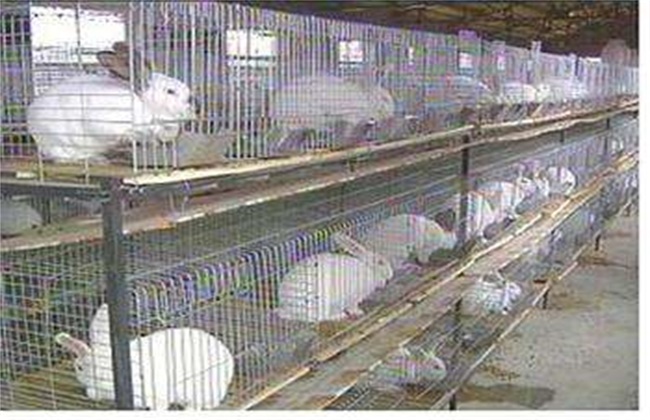
1. Symptoms
The course of the disease is generally 1-7 days, and in acute cases death can occur within 10 hours. The main symptoms are reduced appetite, indigestion, and diarrhea and constipation occurring either alternately or one after the other. The feces are relatively thin; some have a foul odor and are green, some are milky white and gelatinous, and some contain white or yellow mucus. Severely affected rabbits are extremely weak, with dull and lusterless hair, completely listless, and very low in activity. They often hunch up motionless in a corner because of abdominal pain.
2. Preventive measures
To prevent the occurrence of this disease, frozen feed should be prohibited during routine feeding, and ice water should not be used. At the same time, attention should also be paid to the quality of the feed, especially in the high-temperature summer season. Once feed is found to be moldy or spoiled, feeding should be stopped immediately and the feed replaced in time. When feeding green fodder, it should be washed and dried before feeding, and pesticide and dew residue on the green fodder should be prevented to ensure the healthy growth of the rabbits.
3. Treatment measures
Appropriate treatment should be adopted according to the rabbit's condition. When a sick rabbit develops constipation, salt-based laxatives can be given orally, such as 4-8 grams of artificial salt. For sick rabbits with dehydration caused by diarrhea, fluid replenishment should be carried out in time; 5% glucose water or Ringer's solution can be injected intravenously, once in the morning and once in the afternoon. For rabbits that are already recovering after treatment, bitter stomachic agents can be used, such as tincture of gentian 1—2 ml each time orally, or aromatic stomachic drugs, such as tincture of dried tangerine peel 2—4 ml each time orally. For those with mild illness who do not need treatment, their feed intake should be restricted, or they should be fasted for 12-24 hours with only a small amount of drinking water given. After that, feed that is easy to digest and high in sugar, low in fat, and low in protein should be provided, and the amount of food should be gradually increased until they return to normal.
The above is an introduction to the prevention and treatment methods for gastroenteritis in rabbit farming. We hope it can help you. To learn more related knowledge, please keep following us.