Ranking of egg-laying hen breeding enterprises by flock size released, industry in an uproar
Recently, the first phase of the 3-million-layer egg-laying hen breeding project newly built by Shanxi Jinlong Group with an investment of 370 million yuan, the largest single-site flock in Shanxi Province, has officially been put into production. The breeding base has a total of 2 rows and 14 buildings of 10-tier "stacked" hen houses. The sheer scale of the farm shocked the industry and left people speechless! It is said that Jinlong Group's total flock of laying hens will reach 6.5 million birds, claiming to be the largest in Shanxi. We cannot help but ask: is Jinlong's laying hen flock the largest in China?
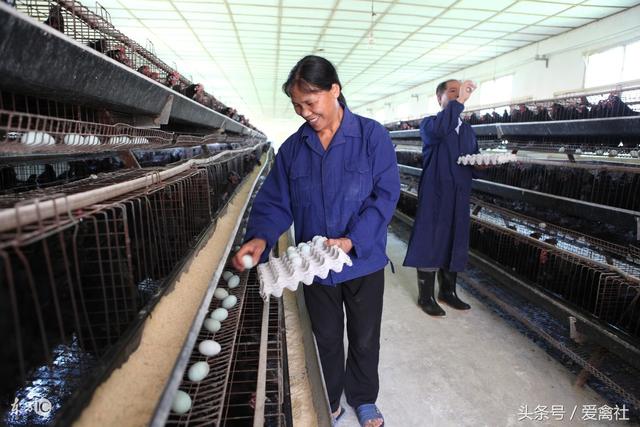
Laying hens move south and west: main producing areas marginalized, status may not hold
Several factors will drag down the flock numbers in the main producing areas. First, the egg market has always shipped from north to south, meaning that eggs from producing areas such as Henan, Hebei and Shandong are mostly transported and sold to consumption areas in the south. In recent years, large farms have successively followed suit in the south, such as Guangdong Pengchang, Luyang, Guangshengyuan, and Guangxi Qianji, all of which have set up operations. This trend will inevitably gradually meet the demand of the southern coastal consumer market.
Second, fewer large-scale breeding enterprises are planned in the Central Plains region, and from the early signs, they are all expanding to surrounding areas. Apart from Shanxi Jinlong, Yunnan and Guizhou will both usher in a new round of egg-laying hen breeding enthusiasm to fill their original gaps in the laying hen market. Various factors in the main producing areas, such as environmental protection policies, breeding environment and land requisition, are prompting large-scale breeding enterprises to spread outward. In particular, the breeding environment in densely populated chicken-raising areas is no longer suitable for newcomers to raise chickens.
Leading chicken-raising enterprises make large-scale arrangements, where will small households with fewer than 10,000 birds go?
CP, known as the "egg king", in early 2017 located a 3-million-layer hen full-industry-chain poverty alleviation project with a total investment of about 500 million yuan in Yunnan. According to the plan, in the next five years it will build 20 projects of 3 million laying hens each, with a total flock reaching 80 million birds, aiming to become China's number one. In addition, Inner Mongolia Jingou Agriculture, with a total investment of 730 million yuan, also revealed that it is building a 10-million-layer hen breeding base in Inner Mongolia.
In addition, enterprises such as Yukou Poultry, Deqingyuan, Huayu, New Hope, Weijia and Beiliang have all made arrangements of varying degrees across the country.
Large laying hen breeding operations are rising, so where will small households go? This is a question worth pondering. At the current breeding scale, the number of farms with 5,000 to 50,000 birds is still very large. If five years from now the large operations rise and farms with more than one million layers account for more than 50% of the total flock, the survival situation of laying hen farms with fewer than 10,000 birds will be worrying. Some being eliminated is already inevitable, while other small-scale laying hen farms will continue to exist through being merged and acquired, trusteeship, transformation to specialty breeding and other means.
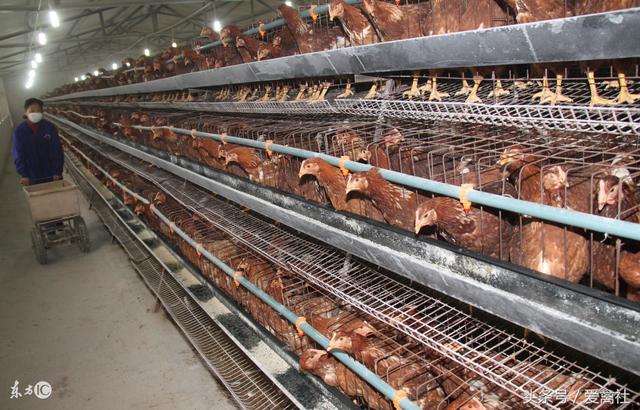
Ranking of egg-laying hen breeding enterprises by flock size (rough statistics)
According to the progress plans of the above egg-laying hen breeding enterprise projects, there are at least 12 farms with more than 1 million birds, and the number of commercial laying hens in the planning stage alone will exceed 100 million. However, most of these farms are in planning or under construction. Based on relevant platform information and market surveys, as of November 2017, the top ten are ranked according to existing actual flock numbers, serving only as reference data for comparative analysis in the laying hen breeding industry.
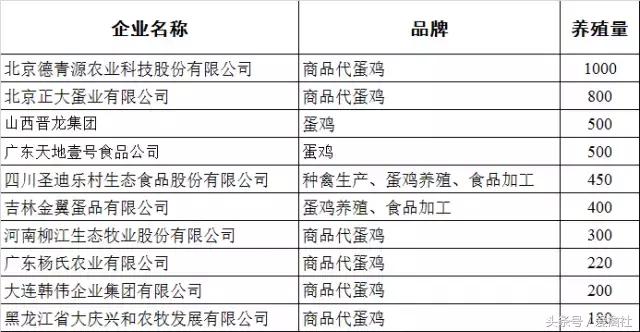
Unit: 10,000 birds