How to differentially diagnose swine transmissible gastroenteritis and porcine epidemic diarrhea
Differential diagnosis of swine transmissible gastroenteritis and porcine epidemic diarrhea
The clinical symptoms of porcine epidemic diarrhea and swine transmissible gastroenteritis are very similar. Once suckling piglets are infected, the symptoms are obvious, showing vomiting, diarrhea, dehydration, and stiff movement. Vomiting mostly occurs after suckling and eating, and body temperature is normal or slightly elevated. After artificial inoculation of piglets, diarrhea appears at 12-20 hours, and vomiting appears at 12-30 hours after inoculation with the virus. Ascites and stiff movement are seen at 20-30 hours after virus inoculation, and at the latest at 90 hours. At the beginning of diarrhea, yellow viscous feces are passed, which later becomes watery feces mixed with yellow-white curd clots. When diarrhea is most severe, the feces passed are almost entirely water. Along with vomiting and diarrhea, affected pigs show depression, anorexia, emaciation, and exhaustion. The severity of symptoms is related to age; the younger the age, the more severe the symptoms. Suckling piglets within one week of age often die of dehydration within 2-4 days after diarrhea, with a mortality rate of 50%, and the mortality rate is even higher when piglets are infected after birth. Weaned pigs and growing pigs have milder symptoms, showing depression and poor appetite, and diarrhea can last 4-7 days, gradually returning to normal. Adult pigs only develop vomiting and anorexia.
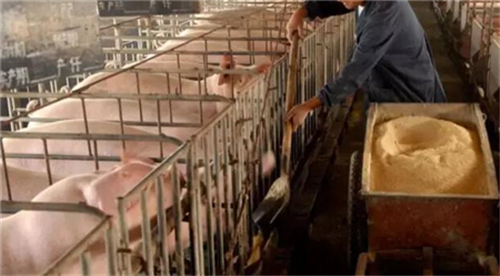
Swine transmissible gastroenteritis: intreatment, commonly used drugs have no curative effect. Oral administration of whole blood or serum from recovered pigs to newborn piglets has a certain preventive andtreatmenteffect. Pig farms where swine transmissible gastroenteritis occurs should immediately isolate sick pigs and disinfect pig houses, exercise yards, tools, vehicles, etc. with 2%-3% caustic soda. Affected pigs must be strictly isolated from healthy pigs to control losses within the smallest possible range.
Porcine epidemic diarrhea: symptomatic methods are usually used, which can reduce piglet mortality and promote recovery. The sick pig herd should be given oral rehydration salt solution daily (commonly used prescription: sodium chloride 3.5 g, potassium chloride 1.55 g, sodium bicarbonate 2.5 g, glucose 20 g, plain water 1000 ml). Pig houses should be kept clean and dry. For sick pigs aged 2-5 weeks, antibiotics can be used fortreatmentto prevent secondary infection. Anticoagulated blood or hyperimmune serum from recovered sows can be tried orally at 10 ml per day for 3 consecutive days, which has a certaintreatmentand preventive effect on newborn piglets. (Source: Shuangbaotai Pig Farming Service Platform)