What are the prevention and treatment methods for necrotic enteritis in chickens?
Necrotic enteritis in chickens, also called enterotoxemia, is an acute bacterial infection. It comes on fast and spreads quickly, and after the bird is affected the small intestine becomes necrotic, which is how the disease got the name necrotic enteritis. Once this bacterium infects the bird it multiplies rapidly, and soon the affected chicken shows symptoms of damage and may die in severe cases, making it highly harmful. To prevent and treat this disease, you need to understand its characteristics and then target your prevention and treatment accordingly.
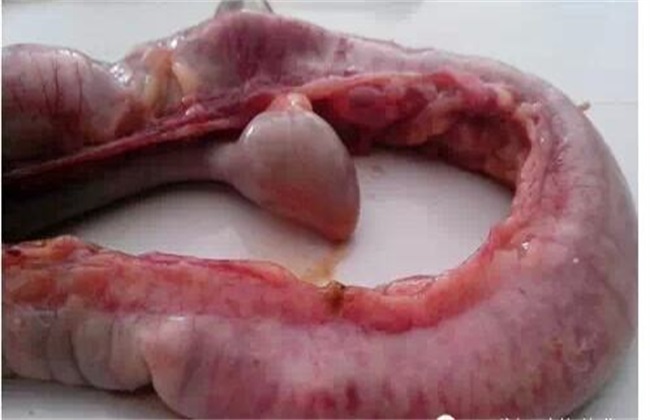
I. Symptoms of onset
The onset is extremely sudden; sometimes before you even notice anything, the chicken has already died suddenly, and with few abnormal signs beforehand, making it hard to identify. But in chickens that have not died suddenly, you can see that at first the bird becomes listless, stops eating, and mainly passes black droppings streaked with blood. After dissection there is a rotting odor from the carcass, and the intestines are found to be congested, with necrosis of the mucosa and necrosis of the liver. In advanced cases the villi slough off and fibrous cells proliferate in the affected areas.
II. Spread of the disease
So far this disease has only been found to harm chickens; it has not been found to harm other poultry. It mainly occurs in broilers and laying hens. Chicks and chickens still in the growing stage are the main targets of infection. The disease occurs in all four seasons, but it flares up under high temperature and high humidity. The main trigger is poor ventilation combined with rising temperature and an unclean environment, which gives the bacteria the conditions to develop. In such cases it can even break out over a large area.
III. Prevention and treatment
1. Medication
Feeding 0.1% chloramphenicol mixed into the feed is best, or you can choose Jin Kechuang's Changdu Tongzhi mixed into the feed, which is the best way to control the spread of the disease; the dosage should be decided according to the condition and the size of the chickens. Adding 2.2-4.49 lincomycin per ton of feed and feeding it continuously for many months can prevent the disease, and can also increase feed absorption and conversion rate and increase the chickens' weight.
2. Cleaning
Keep the chicken coop clean. Clean each chicken pen once a day, remove the droppings, then rinse it clean and sprinkle disinfectant powder. You can also build chicken pens with drainage channels, so you do not have to step in chicken manure and contaminate the growing environment, and cleaning is easier. The outdoor activity area should also be rinsed on a regular schedule and sprayed with disinfectant. The chicken feeders and drinking utensils must be cleaned and disinfected.
3. Feeding
The feed given must be clean and free of mold. Before each feeding, pour out the leftover feed from the previous night, clean the trough, and then put in new feed; even if there is no leftover feed, clean the trough before feeding again. Green feed or succulent feed must be washed clean and cut fine before feeding, and fresh feed should be given. Supplement vitamins on a regular schedule to strengthen disease resistance.
Necrotic enteritis in chickens comes on rather suddenly, so you should carefully observe for abnormalities in normal times; at the first sign that something is wrong, check right away to stop losses in time. Doing good prevention work can reduce the occurrence of many diseases. In addition, treatment must be especially timely, using fast-acting medication, to avoid deaths.