Symptoms and Treatment Methods of Sheep Gastroenteritis
The market demand for mutton in China is still relatively large, and sheep farming is also a very popular breeding project in China. However, management work is very important when raising sheep. If management is not in place, sheep are very prone to various diseases. Gastroenteritis is one of them. So what are the symptoms of sheep gastroenteritis? And how should it be treated? Below, the editor will give you a brief introduction. Let's take a look together!
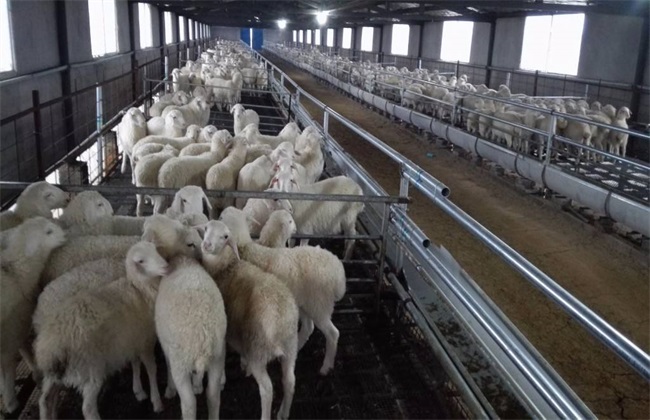
1. Causes of the disease
There are many causes of gastroenteritis in sheep. For example, some forestomach diseases can trigger gastroenteritis, such as forestomach atony and forestomach inflammation. These diseases not only seriously affect the sheep's feeding and growth, but also very easily cause gastroenteritis. Then there is the issue caused by improper feeding, for example, if a large amount of moldy or frozen forage is fed, or if the forage is of poor quality or contains pesticides. All of these can cause gastroenteritis in sheep, and they are also the main causes of sheep gastroenteritis.
2. Clinical diagnosis
In the early stage of gastroenteritis, the sheep will show indigestion, and then appetite drops sharply or even stops eating altogether. There is abdominal pain, the tongue coating is both yellow and white, and in the early stage there will still be bowel sounds, which gradually disappear in the middle and late stages. The excrement has a foul odor and is mixed with various fragments of necrotic tissue. Dehydration occurs. In severe cases, urine output is small but the color is concentrated. The skin gradually loses elasticity, the sick sheep will gradually lie down and be unwilling to stand up and move, and various physiological functions gradually fail. In severe cases, body temperature rises and falls rapidly, accompanied by drowsiness and convulsions, ultimately leading to death.
3. Treatment methods
The treatment of sheep gastroenteritis should mainly focus on prevention. We should do a good job in all aspects of management, strengthen feeding management, and never feed moldy or spoiled feed. Ensure the quality of the feed to avoid causing sheep gastroenteritis and affecting the growth of the sheep. If the disease occurs, then sulfaguanidine, baking soda, or bismuth subnitrate should be added to the drinking water for the sheep to drink. Then inject the sheep intramuscularly with gentamicin about twice a day. If there is severe dehydration, then inject intravenously once a day with glucose saline, sodium caffeine benzoate, etc.
The above is a brief introduction to the symptoms and treatment of sheep gastroenteritis. When diagnosing this disease, we should pay attention to differentiating it from infectious diseases such as colibacillosis and paratuberculosis, so as to avoid misjudgment leading to improper medication and instead worsening the condition. That is all for today's introduction. This article is for reference only, and I hope it can help everyone!