-
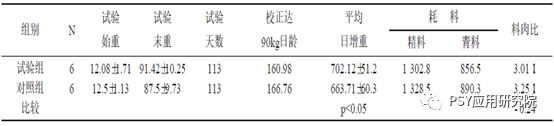
Ternary sows' production efficiency is more than 30% lower than that of binary sows. How can the gap be narrowed?
Ternary sows' production efficiency drops by more than 30% compared with binary sows. How can the gap be narrowed?
-
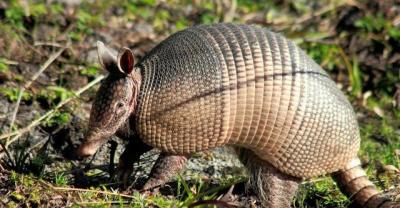
Efficiency-boosting method for breeding yellow mealworms with fermented straw feed
Remove any moldy or spoiled straw and crush it (it must be crushed or chopped; otherwise, if it is too coarse, the straw fiber content will be too high and yellow mealworms will not like to eat it). Materials: 200...
-
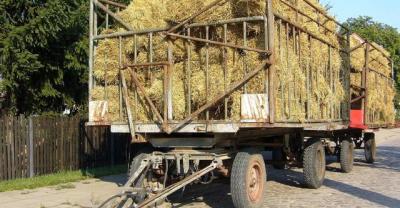
Detailed Explanation of the High-Efficiency Ecological Organic Grass Carp Farming Model
"Stocking fry in spring brings fish plague, stocking fry in winter adds three fen of growth." Practice has shown that the period from the Winter Solstice to the Start of Spring is the best time to stock organic grass carp fry, which benefits the fry and...
-
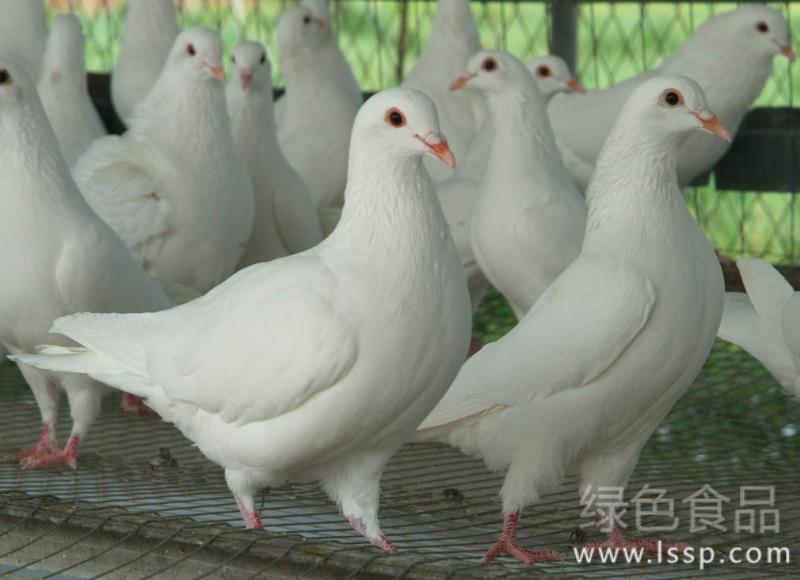
Meat pigeon farming has a long cycle; four synchronizations help you improve farming efficiency
Meat pigeon farming has a long cycle; "four synchronizations" improve meat pigeon farming efficiency
-

How to Achieve High Yield and Efficiency in Rice-Fish Rotation? A Detailed Explanation of the Field-Pond Technique
The field-pond rice-fish rotation is a high-yield, high-efficiency technical model formed in western Fujian over the past two years through continuous improvement based on the extension of "pit-pond" and "ditch-trench" rice-field fish farming. In 2000, Longyan City extended rice-field fish farming over 20,000 mu, of which the field-pond rice-fish rotation area was nearly 5,000 mu. On March 21 this year, the Longyan City Animal Husbandry and Fisheries Bureau and the Liancheng County Science and Technology Bureau organized relevant experts to conduct an on-site sampling inspection of the rice-field fish farming on Li Jincai's household's 1.8 mu of paddy field in Songyang Village, Gechuan Township, where this model was implemented. The total output of fresh fish was 1,112.5 kg
-
To achieve high yield and high efficiency in fisheries, these three measures need to be implemented well
To achieve high yield and high efficiency in fisheries, efforts should be actively made to optimize the ecological conditions for aquaculture and strengthen the construction of supporting pond facilities. Specifically, this can be done from the following three aspects. 1. Implement the renovation of old ponds. The old pond renovation project should follow the requirements of "ecology, circulation, health, and intensification" and carry out major engineering construction such as "desilting and deepening, pond shape transformation, pond embankment slope protection, pond ridge widening and tidying, and improvement of supporting water, electricity, and road facilities," with particular emphasis on removing the thick layer of sludge at the bottom of the pond so that the bottom sediment is reduced to about 20 cm. Through desilting
-
Key Technical Points for Integrated High-Efficiency Duck-Pig-Fish Farming
Through integrated farming, ducks, pigs, and fish can make full and rational use of energy, achieving the goals of saving feed and attaining high yield and high efficiency. The integrated high-efficiency duck-pig-fish farming method is: 1. Select superior breeds. For ducks, Cherry Valley ducks are best; for pigs, crossbred Landrace pigs and other improved breeds; for fish, mainly silver carp, bighead carp, black carp, grass carp, etc. These breeds tolerate coarse feed and grow fast. 2. Management of duck pens, pig houses, and fish ponds. Duck pens, pig houses, and fish ponds should be concentrated and conveniently located for transport to facilitate management. Keep the
-
What are practical measures to improve pig reproductive efficiency
Breeding pigs are the most fundamental component of pig production. The level of breeding pig reproductive efficiency is affected by many aspects, including breed type, nutrition and feed, feeding management techniques, environmental conditions, breeding techniques, and the health level of the pigs. The economic benefits of a pig farm are inseparable from the level of reproductive performance. The following is a summary of how to improve reproductive efficiency based on current pig production technology. 1 Strengthen feeding management and make full use of the reproductive peak period. Pigs have a relatively long lifespan, but their reproductive years are not long, especially the optimal reproductive stage, which is relatively short.
-
Pig-and-chicken circular farming model boosts feeding efficiency
The new technology of efficient circular pig-and-chicken farming is a practical technique particularly suited to rural farmers. The method is as follows: ferment chicken manure by the lactic acid method to feed pigs. There are many ways to feed pigs with chicken manure, such as drying it, feeding it fresh, and conventional fermentation, but the lactic acid fermentation of chicken manure is best. This is because this method can turn chicken manure into a high-quality pig feed with good palatability. The fermentation method is: first dry the chicken manure to 70% dryness, then mix an appropriate amount of lactic acid bacteria and 10 kg of wheat bran or rice bran into every 100 kg of chicken manure, put it into non-toxic plastic bags or other containers
-
How can the feeding efficiency of growing-finishing pigs be improved? Laying a solid foundation is key
Pig production is a competitive industry in China's agriculture. Pork accounts for about 67% of total meat production and is an indispensable source of nutrition for people; pig manure and urine will play an even greater role in increasing agricultural output and developing organic agriculture. Raising pigs is conducive to rural economic development and increasing farmers' income. The comprehensive utilization of pigs has great development potential and awaits further development, and the international and domestic markets for pig products still need further expansion. Therefore, great attention should be paid to the genetic foundation, material foundation and survival foundation of pig production, promoting pig production toward high yield
条件筛选