-
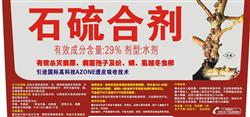
What are the effects of applying fungicides? Understanding the main functions of fungicides in one article
What are the effects of applying fungicides? What are the differences? We ask knowledgeable readers to help explain. The effects of applying fungicides can be classified according to the effect of the agent on disease control, and are broadly divided into three categories: protective, eradicant, and curative. Zhongdiwang has compiled the effects of the above three categories of fungicides, listed below for...
-
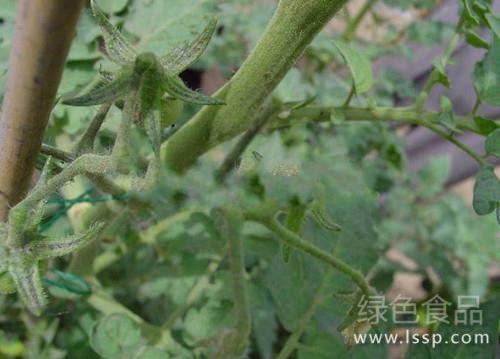
There are many causes of tomato flower and fruit drop in winter, so how can it be prevented effectively?
Multiple factors cause tomato flower and fruit drop; how to prevent tomato fruit drop in winter
-
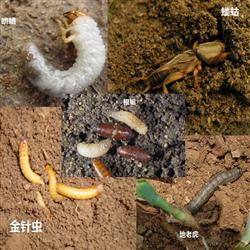
What specific pesticides are effective for controlling soil-dwelling pests?
What specific pesticides are there for soil-dwelling pests? Please give an introduction and their methods of use. Soil-dwelling pests generally include root maggots, cutworms, mole crickets, white grubs, wireworms, etc. The main crops they damage include: peanuts, cotton, soybeans, corn, wheat, and vegetables, garlic crops, and fruit trees. The more common products on the market for controlling soil-dwelling pests...
-
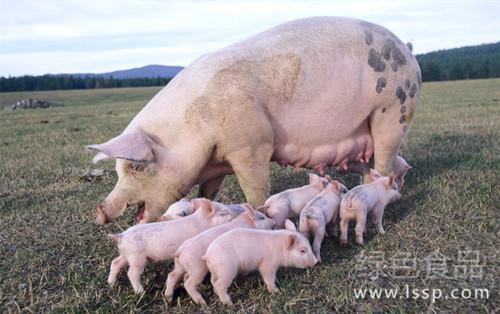
Prevention and treatment methods for agalactia in sows, to reduce the adverse effects on piglet growth
Agalactia in sows is harmful to piglet growth: prevention and treatment methods for agalactia in sows
-
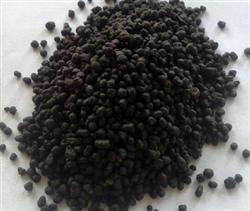
What are the advantages and effects of bio-organic fertilizer?
What are the advantages of bio-organic fertilizer? How does it differ from chemical fertilizer, organic fertilizer, farmyard manure, and microbial fertilizer? We also ask knowledgeable readers to help explain. Bio-organic fertilizer refers to a type of fertilizer that combines specific functional microorganisms with organic materials mainly derived from animal and plant residues (generally poultry manure and plant straw) that have undergone harmless treatment and composting...
-
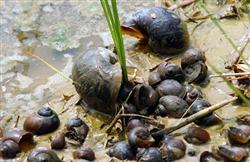
What is the golden apple snail? How to effectively control the golden apple snail
What is the golden apple snail? How to control the golden apple snail? We ask knowledgeable readers to help explain. The golden apple snail, also known as the large bottle snail or apple snail, originated in the Amazon River basin of South America. In 1981 it was introduced to China as an edible snail, and because of its strong adaptability and rapid reproduction, it became a highly destructive invasive alien species. Therefore Zhongdiwang has compiled...
-
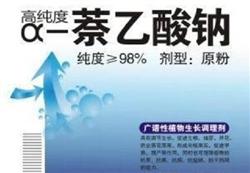
What are the effects of sodium naphthaleneacetate? A detailed explanation of its main functions
What are the effects of sodium naphthaleneacetate? How is sodium naphthaleneacetate used? Experienced netizens are also asked to help explain. Sodium naphthaleneacetate is a colorless crystalline powder with excellent plant growth regulating effects, so Zhongdi Web has compiled the action principles, advantages and usage methods of sodium naphthaleneacetate, and the following is a detailed list...
-
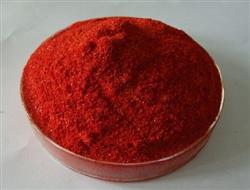
What are the effects of sodium nitrophenolate? A comprehensive analysis in one article
What are the effects of sodium nitrophenolate? How is sodium nitrophenolate used? We ask knowledgeable netizens to help explain. Sodium nitrophenolate is a powerful cell activator; after contact with plants it can quickly penetrate into the plant body, promote the flow of cell protoplasm, and improve cell vitality; but some netizens' understanding of sodium nitrophenolate is...
-
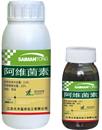
What are the effects and uses of abamectin?
What are the effects of abamectin? How should abamectin be used correctly? We ask knowledgeable netizens to help explain. In the agricultural supply market, 0.5%, 0.6%, 1%, 1.8%, 2%, 2.8% and 5% abamectin emulsifiable concentrates are often seen, but many farmers are not very clear about the effects of abamectin, so Zhongdi Network has compiled abam...
-
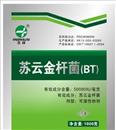
What Is Bacillus thuringiensis? A Detailed Explanation of Its Effects and Uses
What is Bacillus thuringiensis? Which pests can Bacillus thuringiensis control? We ask knowledgeable readers to help explain. Bacillus thuringiensis, also called Bt (abbreviated as Bt), is currently the biological insecticide with the largest output and the widest use. Bacillus thuringiensis insecticides have advantages such as being specific, highly effective and safe for humans and livestock...
条件筛选