Prevention and treatment methods for agalactia in sows, to reduce the adverse effects on piglet growth
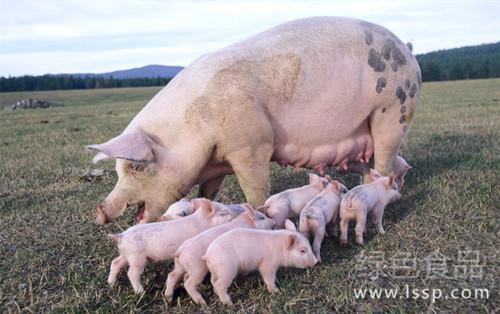
Sow
1. Strengthen feeding. According to the body condition of pregnant sows, appropriately increase or decrease concentrated feed to prevent them from becoming too thin or too fat. During pregnancy, pay attention to supplemental feeding, especially gradually increasing the proportion of concentrated feed in the daily ration. One month before farrowing, adjust the ration formula, add enough green and juicy feed, and supplement with compound feed rich in protein, minerals and vitamins. From 3 to 5 days before farrowing, the daily ration should be reduced by 10 to 20%; on the day of farrowing, do not feed concentrated feed, but feed an appropriate amount of bran soup with a small amount of salt added.
2. Provide sufficient drinking water. Sows during lactation have high water requirements, and only when sufficient clean drinking water is provided can normal milk yield be achieved.
3. Maintain good environmental conditions. Manure should be cleaned at all times, keeping the pig house clean, dry and well ventilated. In winter, attention should be paid to cold protection and warmth, and preventing draughts. In summer, attention should be paid to heat protection, adding heat protection and cooling facilities, and preventing sows from suffering heatstroke. Strong external stimuli are strictly prohibited, and the pig house should be kept quiet.
4. Strengthen management. Pay attention to exercise during pregnancy, and eliminate stress factors inside and outside the pig farm, keep the pig house, especially the farrowing room, quiet, and strictly prohibit strong external stimuli. Do a good job of pre-farrowing disinfection, and move the sow to the farrowing room 7 days before farrowing so that it can adapt to the new environment.
5. Protect the sow's udder and teats. The development of the sow's udder and mammary glands is closely related to suckling by piglets. Especially for first-litter sows, all teats must be used evenly, so that udders that are not used do not develop poorly and affect milk yield. The pen floor should be flat, especially the farrowing bed, and protruding sharp objects should be removed to prevent scratching or tearing off the teats.
6. Accurately grasp the age for first mating. The age for first mating of sows depends on the breed; different breeds have different ages for first mating. Local sows are 6 to 8 months old, with a body weight of 60 to 80 kg, and improved foreign-breed sows are 8 to 10 months old, with a body weight of 90 to 100 kg. At the same time, promptly cull old sows with low milk yield.
7. Drug prevention. Add 0.15% to 0.2% sodium sulfate to the feed, or 3 to 5 days before farrowing feed the sow drugs such as sulfadimidine, trimethoprim, sulfathiazole, or chlortetracycline and tiamulin to prevent sow mastitis.