What are the effects and uses of abamectin?
What are the effects of abamectin? How should abamectin be used correctly? We ask knowledgeable netizens to help explain. In the agricultural supply market, 0.5%, 0.6%, 1%, 1.8%, 2%, 2.8% and 5% abamectin emulsifiable concentrates are often seen, but many farmers are not very clear about the effects of abamectin, so Zhongdi Network has compiled abam...
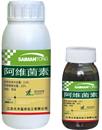 What are the effects of abamectin? How should abamectin be used correctly? We ask knowledgeable netizens to help explain
In the agricultural supply market, 0.5%, 0.6%, 1%, 1.8%, 2%, 2.8% and 5% abamectin emulsifiable concentrates are often seen, but many farmers are not very clear about the effects of abamectin, so Zhongdi Network has compiled the effects and usage methods of abamectin, listed in detail below for netizens' reference.
Effects of abamectin:
Abamectin is generally used on vegetables, fruit trees, flowers, tobacco, cotton and grain crops to control Lepidoptera and Homoptera pests, such as diamondback moth, beet armyworm, tobacco cutworm, aphids, red spider mites, gall mites, scale insects, thrips, rice leaf roller and other pests.
The insecticidal modes of abamectin are mainly stomach poison and contact poison, and abamectin has strong permeability. It can interfere with the neurophysiological activity of pests and stimulate the insect body to produce and release gamma-aminobutyric acid, thereby blocking the transmission process of motor nerve information, causing pests to be quickly paralyzed, refuse to feed, become inactive and stop feeding after being affected, and die within 24~48 hours. However, abamectin has no effect on killing insect eggs.
Usage methods of abamectin:
1. For controlling diamondback moth, beet armyworm and tobacco cutworm on vegetables, use 30~40 milliliters of 1.8% abamectin emulsifiable concentrate per mu, dilute with water and spray evenly.
2. For controlling aphids, red spider mites and gall mites on fruit trees, use 30~40 milliliters of 1.8% abamectin emulsifiable concentrate per mu, dilute with water and spray.
3. For controlling pests such as aphids, scale insects and thrips on flowers, use 30~50 milliliters of 1.8% abamectin emulsifiable concentrate per mu, dilute with water and spray.
4. For controlling rice leaf roller, use 30~45 milliliters of 2.2% abamectin emulsion per mu, dilute with water and spray evenly.
Precautions for using abamectin:
Note 1: Abamectin cannot be mixed with alkaline pesticides.
Note 2: Abamectin is highly toxic to fish, so do not pollute ponds and rivers when applying it.
Note 3: It is best not to use abamectin preparations during the honey-gathering period of bees.
Pre-harvest interval of abamectin:
Pear trees: use 1% abamectin emulsifiable concentrate at most 2 times the pre-harvest interval is 14 days.
Cotton: use 1.8% abamectin emulsifiable concentrate at most 2 times the pre-harvest interval is 21 days.
Citrus: use 1.8% abamectin emulsifiable concentrate at most 2 times the pre-harvest interval is 14 days.
Radish: use 1.8% abamectin emulsifiable concentrate at most 2 times the pre-harvest interval is 7 days.
Cowpea: use 1.8% abamectin emulsifiable concentrate at most 2 times the pre-harvest interval is 3 days.
Cucumber: use 1.8% abamectin emulsifiable concentrate at most 3 times the pre-harvest interval is 7 days.
Rice: use 2% abamectin emulsifiable concentrate at most 2 times the pre-harvest interval is 14 days.
What is emamectin benzoate
What harm do root-knot nematodes cause