What specific pesticides are effective for controlling soil-dwelling pests?
What specific pesticides are there for soil-dwelling pests? Please give an introduction and their methods of use. Soil-dwelling pests generally include root maggots, cutworms, mole crickets, white grubs, wireworms, etc. The main crops they damage include: peanuts, cotton, soybeans, corn, wheat, and vegetables, garlic crops, and fruit trees. The more common products on the market for controlling soil-dwelling pests...
 What specific pesticides are there for soil-dwelling pests? Please give an introduction and their methods of use
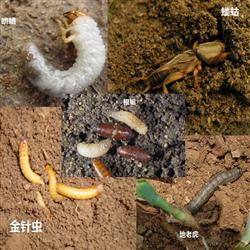
Soil-dwelling pests generally include root maggots, cutworms, mole crickets, white grubs, wireworms, etc. The main crops they damage include: peanuts, cotton, soybeans, corn, wheat, and vegetables, garlic crops, and fruit trees.
The pesticides commonly available on the market for controlling soil-dwelling pests include: imidacloprid, isofenphos-methyl granules, phoxim granules, phoxim emulsifiable concentrate, 3911, phorate, deltamethrin emulsion, trichlorfon, etc., all of which can effectively control soil-dwelling pests. Several methods for controlling soil-dwelling pests are introduced below for reference:
I. Seed dressing with pesticides:Use 3911, phorate, phoxim, etc., with a seed dressing amount of 0.1%-0.3% of the seed weight. Specifically: 60% phorate and 40% isofenphos-methyl at 0.2%, 50% phoxim at 0.1%, 20% isofenphos-methyl emulsifiable concentrate at 0.3%. First dissolve the pesticide in about 3 kg of water, then evenly spray it onto the seeds and mix well, let them dry until semi-dry, and then sow. Dress seeds at 0.01%-0.1% of the seed weight. This method can also be used for dressing vegetable crop seeds.
II. Broadcasting poisonous soil:Use 40% chlorpyrifos to control soil-dwelling pests, mixing 150 ml with 15-20 kg of fine sandy soil. You can also use 75% phoxim or 20% pyrethrin and other emulsifiable concentrates, each mixed into poisonous soil at a ratio of 1:2000, at 20-25 kg per mu, and broadcast it near the crops.
III. Poison bait trapping:Use a 30-fold dilution of 90% crystalline trichlorfon, mix with roasted fragrant cornmeal, add green vegetable leaves, and scatter it on the ground around the crops in the evening. Or chop fresh grass or vegetables, mix 100 g of 50% phoxim with 2-2.5 kg of water, spray it onto 1000 kg of grass, divide it into small piles in the field in the evening, and use it to trap and kill cutworms. Use 1.5-2 kg per mu of roasted fragrant feed (bean cake, wheat bran, sorghum, corn, etc.), or 50 g of 50% phoxim, or 50 g of 40% isofenphos-methyl mixed evenly with clean water, and scatter it in the field around the roots of crops in the evening; the control effect on cutworms and mole crickets can reach 80-90%.
IV. Spraying pesticides for control:Use a 800-fold dilution of 50% phoxim and spray along the rows on the ground surface. Use 30-40 ml of 25% deltamethrin mixed with 75 kg of water for conventional spraying after sunset. The stems and leaves should be sprayed wet. Spraying 1-2 times can effectively kill cutworms.
V. Treating soil with pesticides:Use 200-250 g per mu of 50% phoxim emulsifiable concentrate, add 10 times the amount of water and spray it onto 25-30 kg of fine soil, mix well to make poisonous soil, apply it in strips along the rows, and then shallow hoe immediately.
What is a cutworm?
What are white grubs? How are white grubs controlled?
Click to get more insecticide application techniques
Click to get more pesticide application techniques