-
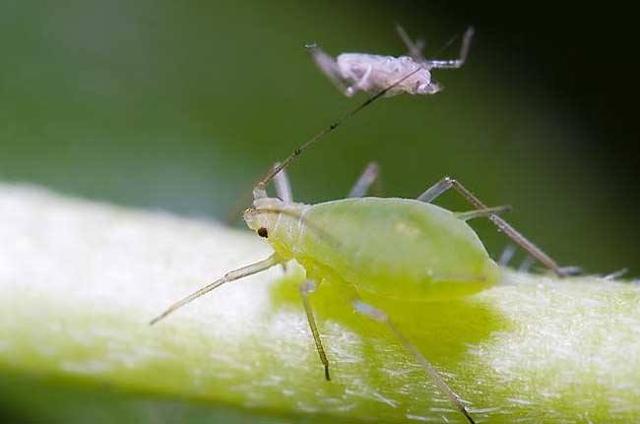
What to Do When Aphids Appear on Flowering Plants? A Summary of Highly Effective Aphid Control Methods
Flowers and plants often attract aphids, and their destructive power is strong. They usually attach to the underside of plant leaves, then suck the plant's sap; the leaves gradually turn yellow, and the plant gradually becomes stunted and cannot grow tall. In severe cases, the flowers may even wither. Spring and autumn are the seasons when aphids are most prevalent.
-
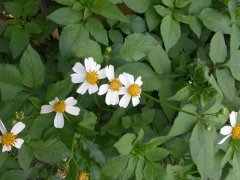
Is Xianfeng grass the same as Spanish needles? What are its medicinal value and effects?
Many people mistake Xianfeng grass for Spanish needles (Bidens bipinnata), or treat them as one plant, but they are not; they are two different plants. The Xianfeng grass seen everywhere belongs to the genus Bidens in the Asteraceae family. In Taiwan, China, the more commonly seen species are large-flowered Xianfeng grass, small-flowered Xianfeng grass, and Spanish needles. Among these 3 kinds of Xianfeng grass, only Spanish needles is a native species; the first two are introduced species. It is worth noting that large-flowered Xianfeng grass is a perennial herbaceous plant (small-flowered Xianfeng grass and Spanish needles are annual), blooming in all four seasons, and unlike other annual plants it does not have a season in which it dies.
-
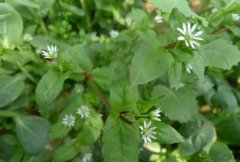
Is Chickweed Edible? A Complete Guide to How to Eat It, Its Benefits and Medicinal Value
On one continent, a plant may be considered a troublesome weed, while on another it may be grown for food or medicine. Like everything else, different plant appearances, smells or tastes can go in and out of fashion. One day
-
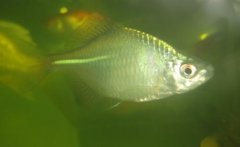
Is aromatic hydrocarbon toxic? Effects on fish and whether contaminated fish can be eaten
The explosion at the No. 3 aromatic hydrocarbon plant of the Sixth Naphtha Cracker Complex in Mailiao Township has caused anxiety among residents near aquaculture fish ponds, who worry that their catch may be contaminated. On the 15th, scholars from the College of Public Health at National Taiwan University, who have long studied pollution issues related to the Sixth Naphtha Cracker Complex, together with the Institute of Toxicology, and the Changhua and Taixi experimental stations of the Fisheries Research Institute, went to 18 fish ponds in Changhua and Yunlin to take samples, hoping to understand the scope and extent of the explosion's impact.
-
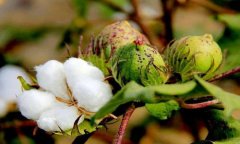
Does cotton cultivation really have such a harmful effect on soil improvement?
India is an important cotton-producing country in the world. However, in India, non-genetically modified cotton seeds are almost impossible to find now, because the native cotton seeds have already run into problems. This is something we on the consumer and user end cannot feel. About ten
-
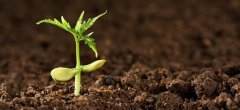
Growing Conditions for Flower Bed Plants and the Effect of Soil pH
The key to successful and trouble-free gardening is choosing plants that best suit your garden's conditions. Plan your home garden to match the most important features of your property - sunlight and soil. Plants rely on light as an energy source for growth, flowers and fruit. The garden bed receives
-
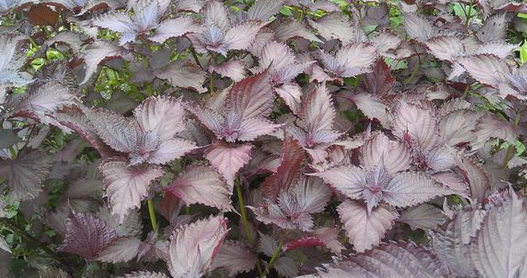
What Is Perilla? A Detailed Guide to Its Benefits, Effects and Growing Methods
Perilla aliases: Guiren, white perilla, red perilla, etc. Perilla is an annual herbaceous plant with round or ovate leaves, 3-9.5cm long and 2-8cm wide, with coarse serrations along the leaf margins. It usually flowers in July-August and fruits in September-October. It likes to grow in a warm and humid climate
-
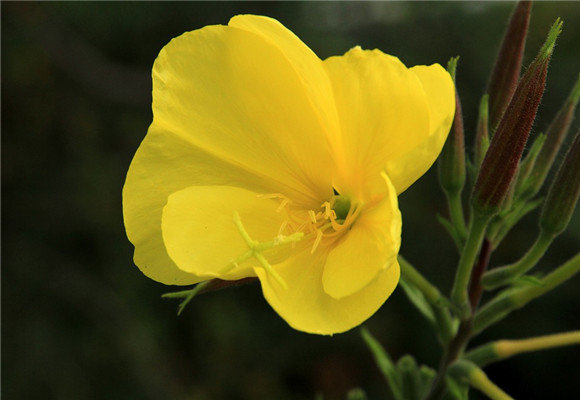
Where does evening primrose grow? Introduction to its effects, functions and cultivation methods
Evening primrose is a species in the genus Oenothera of the family Onagraceae, native to North America (especially Canada and the eastern United States), introduced to Europe early on, and then rapidly spread to temperate and subtropical regions of the world. So, where does evening primrose grow? What effects and functions does it have? How is it cultivated? Where does evening primrose grow?
-
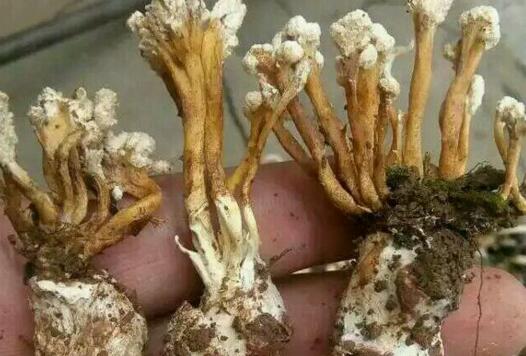
Where Golden Cicada Flower Grows as an Entomopathogenic Fungus, Plus Effective Ways to Eat It and People Who Should Avoid It
Golden cicada flower, commonly known as large cordyceps, is an entomopathogenic fungus; among the 504 species of cordyceps discovered worldwide, golden cicada flower and Chinese cordyceps are just two of them. So, where does golden cicada flower grow? How should it be eaten for the best effect? Who should not eat it? Where does golden cicada flower grow?
-

The benefits and effects of rosemary essential oil: these four you must know
Rosemary essential oil is a colorless to pale yellow volatile liquid. Its most famous benefit is that it can improve memory, making the mind clear and well-organized. It is most suitable for students preparing for exams or people who overuse their brains. It also benefits the liver and gallbladder, helps with detoxification and purification. You have surely heard of rosemary essential oil. It comes from Europe and not only has the effect of refreshing the mind, but also helps the body detoxify and enhances human memory, so for students it is good news. However, rosemary.
条件筛选