-

"Wood ear fungus: what trees does it grow on? Is it a "feng-wu" (trigger food)? How long can it be soaked before it becomes toxic? What symptoms appear after eating it?
Wood ear has a delicious taste, can be prepared as a vegetarian or meat dish, and is rich in nutrients. Wood ear is sweet in flavor and neutral in nature, and has many medicinal benefits. So, what trees does wood ear grow on? Is it a "feng-wu" (trigger food)? How long can it be soaked before it becomes toxic? What symptoms appear after eating it? 1. What trees does wood ear grow on?
-

Are Phalaenopsis Orchids Toxic to Cats? What to Do If Your Cat Eats the Leaves
Many households keep cats, because they are well-behaved and cute and win people's hearts. Around Labor Day, some friends also bought Phalaenopsis orchids, and cats are born curious; when they see the gorgeous Phalaenopsis, they can hardly resist jumping over and grabbing at it. So, are Phalaenopsis orchids harmful to cats? First, let me explain: as a rule, any
-

Recommended Flowers for the Home: Which Flowers Are Non-Toxic and Auspicious
In a cozy home, placing a few pots of vibrant flowers not only beautifies the environment but also brings good fortune. Many people want to grow flowers at home but worry that some flowers are toxic and harmful to their family's health. Don't worry - below are several flowers that are both non-toxic and auspicious, making them perfect for growing at home.
-
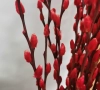
Is silver willow (florist's willow) toxic, and what good omens does it bring when kept at home and allowed to bloom?
In recent years, silver willow has been extremely popular at flower markets, and during Chinese New Year many people have it displayed at home. Today let's talk about it. Silver willow is a kind of deciduous, clump-forming shrub, usually growing to 2-3 m tall, with grayish bark. Its twigs are slender and long, and covered with fine hairs; at first they are pale yellow, and later they gradually turn brown.
-

Is Dream Fragrance Orchid (Oncidium) toxic? Can it be grown indoors?
For flower lovers, the Dream Fragrance Orchid, a unique orchid variety, is undoubtedly quite a temptation. Its flowers are delicate and small, blooming in great numbers, with a rich but not pungent fragrance that carries a hint of fresh, sweet scent. However, when wanting to take it home to care for it, many people share a common question: Dream Fragrance Orchid
-

Is the Madagascar jasmine (Dipladenia) toxic? There are things to know about keeping it at home and smelling its fragrance
Have you ever thought about creating an eye-catching flower wall in your own garden? Then this "Madagascar jasmine," available in red, peach, and pink, and also fragrant, is perfect for you! Not only does it bloom continuously through all four seasons, but it also pairs well with other climbing plants. Madagascar jasmine belongs to the Apocynaceae family, and many people mistakenly assume it contains toxins
-

Is Philodendron 'Golden Diamond' (Philodendron hybrid) toxic, and is it suitable for the bedroom?
Philodendron 'Golden Diamond', also known as Golden Diamond or Philodendron, is a common ornamental plant in tropical and subtropical regions. However, it should be noted that Philodendron 'Golden Diamond' is indeed toxic; the entire plant, including roots, stems and leaves, is toxic. Accidental contact with or ingestion of its sap can cause discomfort in the throat and mouth, and in severe cases can even lead to suffocation, cardiac
-
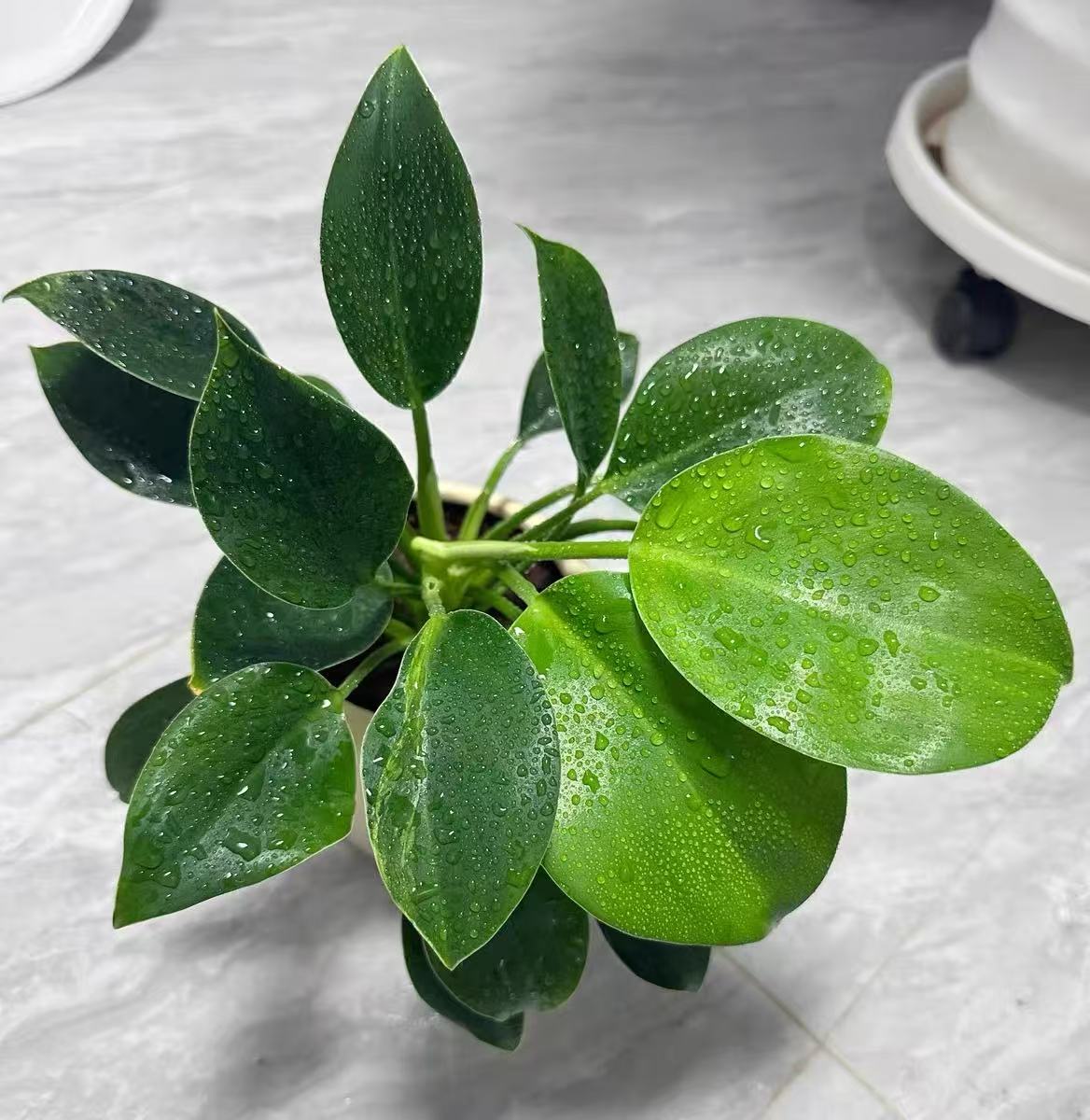
Is Philodendron selloum toxic?
Philodendron selloum, also known as Philodendron 'Xanadu' and Philodendron bipinnatifidum, is a common ornamental plant in tropical and subtropical regions.
-

Is Nandina (heavenly bamboo) toxic, and is it suitable for growing indoors?
Nandina (Nandina domestica), also known as Heavenly Bamboo or Orchid Bamboo, contains a variety of alkaloids throughout the whole plant, such as nantenine, berberine, isocorydine, protopine and others. Therefore, Nandina is somewhat toxic, and its berries are especially toxic. Eating Nandina indiscriminately may lead to poisoning symptoms such as nausea, vomiting, convulsions of the whole body, spasms and coma.
-
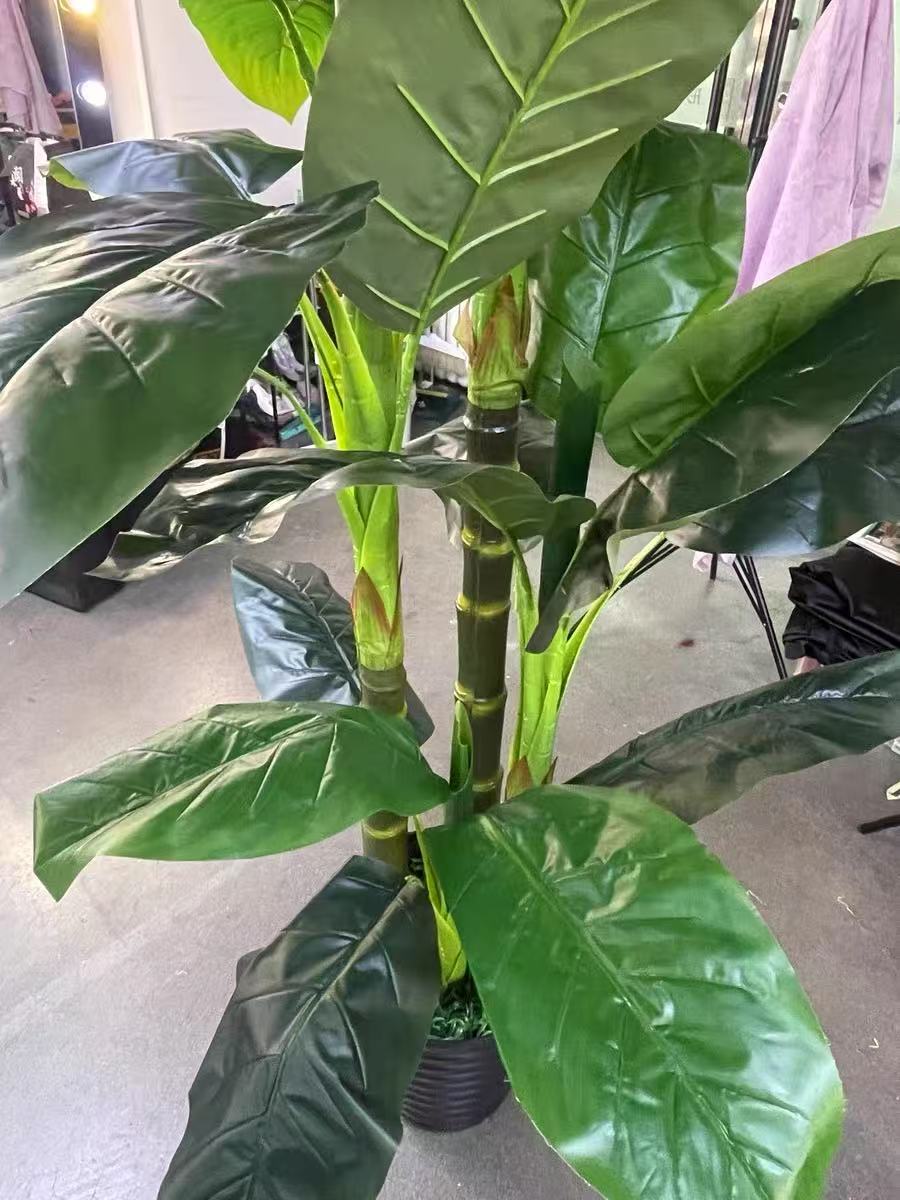
Is Alocasia macrorrhiza toxic?
Alocasia macrorrhiza, also known as Alocasia odora or giant taro, is indeed toxic. The entire plant contains highly toxic substances, especially the
条件筛选