Is Chickweed Edible? A Complete Guide to How to Eat It, Its Benefits and Medicinal Value
On one continent, a plant may be considered a troublesome weed, while on another it may be grown for food or medicine. Like everything else, different plant appearances, smells or tastes can go in and out of fashion. One day an herb may be the best remedy, and the next day it may be a weed in the herbicide. Such is the case with using the chickweed plant. Is chickweed edible?
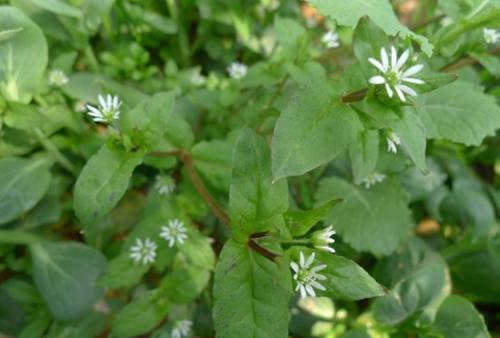
This weed, native to Europe, was introduced to North America and other continents by transplants, and immigrants regarded it as an herb. Its flowers and leaves are indeed edible, although it contains large amounts of saponins that can cause stomach upset. Chickweed flowers and leaves can be eaten raw or cooked. The flowers and leaves are tossed into salads, stir-fries, stews or pesto.
Chickweed is also grown as feed for chickens and pigs, hence its common names of wort, chickenweed and bird food. Wild birds also like to eat the weed's seeds. Although its culinary uses seem rather ordinary, I have not yet mentioned what nutrients chickweed has for birds. The edible parts of chickweed contain vitamins C, D and B-complex as well as calcium, iron, potassium, magnesium, zinc, β-carotene, biotin and PABA. An extra benefit of chickweed - there is usually no need to go looking for chickweed, because it has already naturalized in lawns and garden beds around the world, which is why it is often considered and treated as a weed.
The herbal use of this herb, chickweed, also includes healing. Salves or balms made from chickweed can treat skin allergies, rashes, acne, insect bites or stings, burns, eczema, wounds and warts. They can also be used to reduce swelling, bruising and the appearance of varicose veins. Chickweed is also a common herb for hemorrhoids and shingles. Teas or tinctures made with chickweed clear coughs and congestion, soothe stomach upset, and cleanse the liver, bladder and kidneys. Chickweed's anti-inflammatory benefits relieve joint pain in arthritis sufferers. When using chickweed as food, the same saponins that call for caution make it a natural emollient and cleanser.
Chickweed can be used in various homemade beauty products to soften skin and hair and flush out toxins. Before soaking an unwanted weed with herbicide, you might just want to consider replanting it in your kitchen herb garden. Disclaimer: The content of this article is for educational and gardening purposes only. Before using or ingesting any herb or plant for medicinal purposes or otherwise, consult a doctor, medical herbalist or other suitable professional for advice.