-

Can "high-protein" bee pupae be eaten raw? What are their effects and functions? Who should not eat them?
Bee pupae, as a delicious food, have been popular among the people for a long time. They generally refer to the larvae and pupae of wild bees such as hornets, wasps, black bees and ground bees. In many places in the southwestern region, the custom of gathering and eating bee pupae has been preserved to this day. So can bee pupae be eaten raw?
-

What are the effects of underwatering on plants, and which plants need to be watered every day?
Fellow plant lovers, do you always struggle with the question of watering too much or too little? Today let's talk about how badly underwatering can "sabotage" your plants, and then dig into which water-loving fanatics need to be watered every day. After reading this, you definitely won't be confused anymore! When watering is insufficient, the first thing to throw a fit is the leaves. Leaves that were once glossy and plump slowly
-

The Effects of Long-Term Drought on Phalaenopsis and How to Care for Them When You Are Away
Anyone who grows Phalaenopsis (moth orchids) at home has surely felt this anxiety - you come back from a long trip and find the leaves wilted like deflated balloons, the flowers scattered and fallen, and the whole plant on the verge of withering! Phalaenopsis is sensitive to water needs. If drought lasts a long time, the plant will face many crises. Phalaenopsis may look delicate, but its roots are actually very toler
-

What are the effects of insufficient light on Phalaenopsis orchids, and will they fail to bloom?
During the growth of Phalaenopsis orchids, light is like the fuel of life, driving all the physiological activities within the plant. When this key element is missing or insufficient, the growth and development of Phalaenopsis orchids will face crisis after crisis, and whether they can bloom smoothly is directly affected. Understanding the effects of insufficient light on Phalaenopsis orchids is not only
-
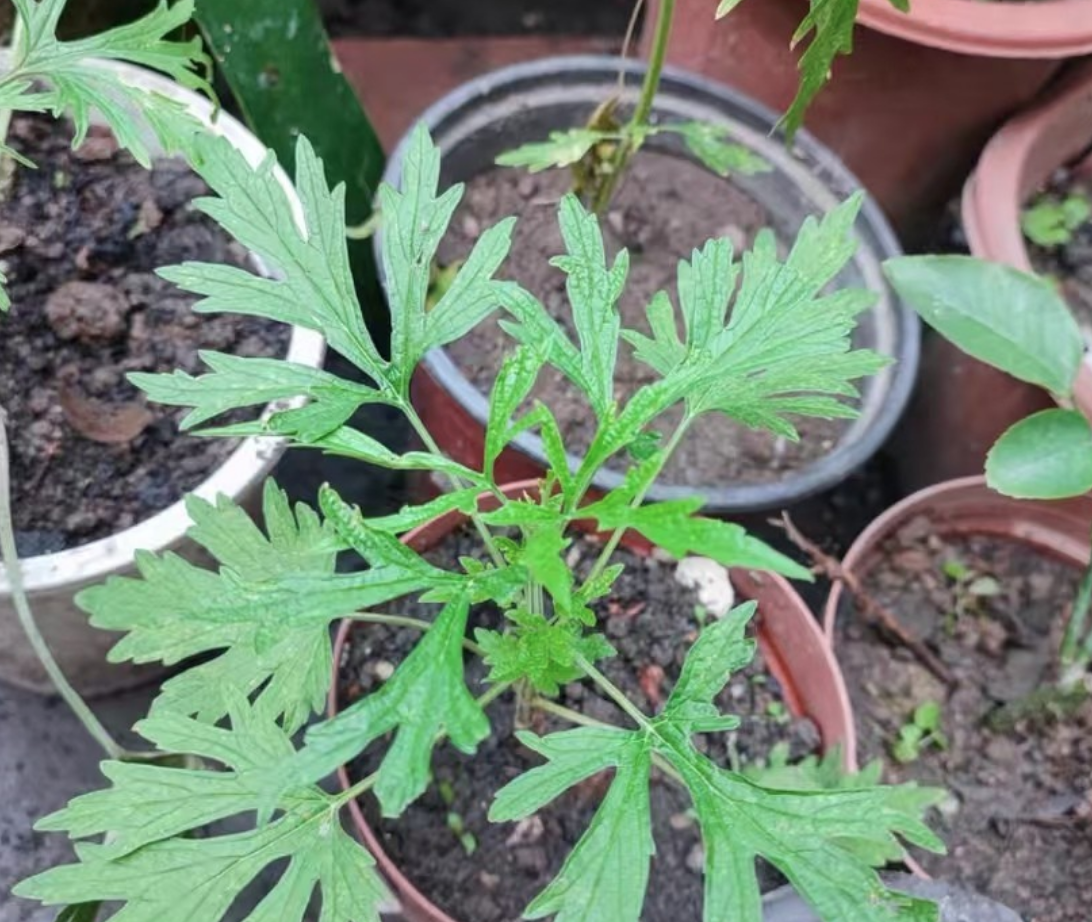
What are the effects of Leonurus japonicus?
Since ancient times, Leonurus japonicus has been regarded as a guardian of women's health. It is an annual or biennial herb of the genus Leonurus in the
-
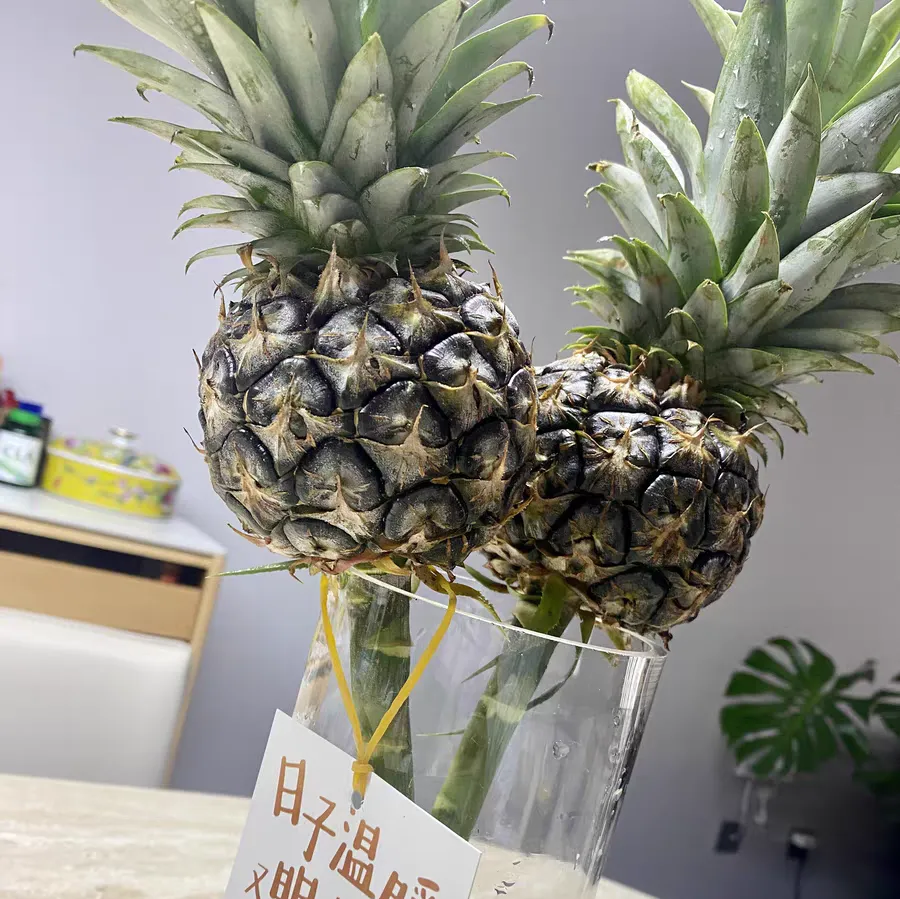
What are the effects and functions of pineapples?
Today, let's talk about the incredibly charming pineapple! It's not just for eating; it can also serve as a stunning indoor green plant. The pineapple is truly
-

The Benefits and Effects of Purple Coneflower and the Best Month to Sow It
Today I'd like to give you a proper introduction to the purple coneflower, a flowering plant that really catches the eye in the garden. The purple coneflower, scientifically known as Echinacea, is a perennial herbaceous plant in the genus Echinacea of the aster family. It is native to North America and, thanks to its beauty and practical value, is widely grown around the world. The flowers of the purple coneflower are truly superb; its blooms
-

Okra Cultivation Methods, Benefits, Effects and Nutritional Value
As one of the most popular vegetarian dishes for modern hot pot, okra certainly holds its own, and each part of the plant has different benefits and effects. Among them, boiling okra root in water has the effect of strengthening the spleen and stomach; mashing okra leaves and roots for external application can stop bleeding and diarrhea; okra flowers nourish the liver and kidneys and have beauty-enhancing effects; okra seeds moisten the lungs, relieve coughs, and strengthen the body
-

The Benefits and Effects of Cornus officinalis and Its Bonsai Care and Management Methods
Today we recommend a plant that serves as both medicine and food, "Cornus officinalis" (Japanese cornel). As a superior medicinal herb recorded in traditional Chinese medicine, it has therapeutic effects such as lowering blood sugar, reducing inflammation and killing bacteria, nourishing the kidneys and replenishing essence, and boosting immunity. It is mainly produced in Henan, Shaanxi, Zhejiang, Anhui, Sichuan, Jiangsu, and other places in China. Cornus officinalis is also known as medicinal jujube, flesh jujube, and so on.
-

The Benefits and Effects of Black Locust Flowers and Container Care and Management Methods
Today we look at a plant with a rather unique form in the plant kingdom, the black locust flower (Robinia pseudoacacia). It belongs to the Fabaceae family, and after it blooms it has an ever-changing palette, sometimes appearing yellow, sometimes appearing orange, giving people an unusual romantic feeling. The flower language of the black locust flower represents praise and declaration, and it can be given to a lover
条件筛选