-
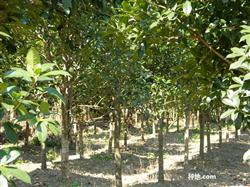
Common Diseases and Control Methods for Osmanthus Tree Cultivation in Guangxi
What diseases should be prevented in osmanthus tree cultivation in Guangxi? What methods can be used to control them? Osmanthus is an excellent landscape tree species that combines greening, beautification and fragrance, with both ornamental and practical value. It is also a traditional evergreen aromatic plant in China, widely cultivated in many regions. But in recent years, the damage caused by osmanthus pests and diseases has increased, leading to...
-
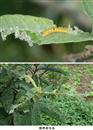
What are the methods for controlling pests and diseases of loquat?
What pests and diseases need to be controlled when growing loquat? Please provide an introduction and control methods. The pests and diseases that need to be controlled when growing loquat are: 1. Flower cluster rot. There are many causes of loquat flower cluster rot, but they are mainly due to two aspects: harmful organisms and climate. During the loquat flowering period (September-November), continuous autumn rain and high humidity accelerate the occurrence of flower cluster rot. Especially in the mid-to-late flowering period, the flower axis turns brown, soft and rotten, appearing mushy. When the diseased part is squeezed by hand, a viscous liquid flows out, and in the later stage the flower axis shrinks, dries up and appears wilted.
-
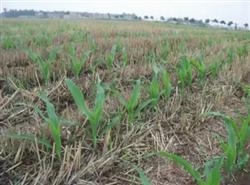
What are the methods for controlling pests and diseases in summer corn at the seedling stage
Which pests and diseases need to be controlled in summer corn at the seedling stage? Please introduce the control methods. The following pests and diseases need to be controlled in summer corn at the seedling stage: 1. Seedling-stage pest control. The main pests at the corn seedling stage are: armyworm, cotton bollworm, small brown planthopper, thrips, Swedish fly, etc. To control armyworm and cotton bollworm, 5% beta-cypermethrin or 2.5% cyhalothrin 50-75 g/mu can be used, sprayed with 30 kg of water. For the control of Swedish fly, when corn has just emerged (i.e. one leaf and one heart), spray 15% beta-cypermethrin·chlorpyrifos emulsifiable concentrate 50 mL per mu. If damaged plants appear in the field, those with severe damage should be pulled out promptly, and for lightly damaged ring-shaped plants, the tip of the plant should be cut off. To control the grain mealybug, use 50% phoxim emulsifiable concentrate 500-1000 mL/mu or 48% Lesiben emulsifiable concentrate 200-400 mL/mu for root drenching.
-
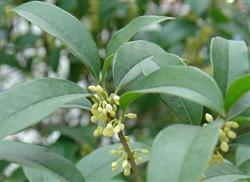
A Detailed Guide to Controlling Common Pests and Diseases of Osmanthus
How do you control common pests and diseases of osmanthus? Methods wanted. The pests and diseases of osmanthus trees include the following: 1. Leaf spot: it mainly damages the leaves, starting as small brown spots; the lesions are round or irregular, later gray to grayish white in the center with reddish-brown edges, and dark gray mold-like growth appears on the lesions. High temperature and high humidity are often the triggers, and it spreads through wind and rain, causing infection; after October the disease subsides. Control: 1) In winter, prune off diseased leaves and clear away fallen diseased leaves, and burn them in a centralized manner; 2) In early May, spray 1:2:100-200 Bordeaux mixture, after which you can spray 50% benomyl 1000 to 1500 times dilution or pyrazophos 500 times dilution or 70% thiophanate-methyl 1000 times dilution.
-
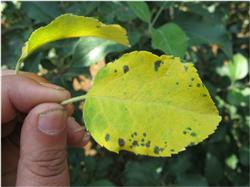
Common Summer Pests and Diseases of Apple Trees and Their Control Methods
What pests and diseases of apple trees need to be controlled in summer? Here are several pests and diseases that may need to be controlled in summer apple orchards for reference: 1. Peach fruit borer: The larvae bore into the fruit and cause damage, resulting in deformed fruit development and the formation of "monkey-head fruit," "bean-paste-filled fruit," and the like. Commonly used pesticides are 2.5% Kung Fu at 1500x dilution, or chlorpyrifos...
-
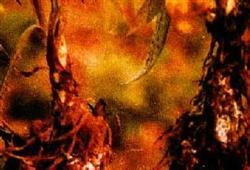
Identification and Control Techniques for Diseases and Pests of Atractylodes macrocephala
Southern blight: Also known as "white sugar rot", it damages the rhizome of Atractylodes macrocephala, with no obvious symptoms on the aboveground parts in the early stage of the disease. Later, as temperature and humidity rise, the mycelium penetrates through the soil surface, and white mycelium densely covers the rhizome and the surrounding soil surface. The top shoots of the affected plants wilt, droop, and eventually the entire plant dies. Disease characteristics: soil and planting material are...
-
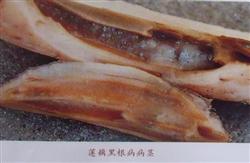
What diseases need to be prevented and controlled during lotus root cultivation?
What diseases need to be prevented and controlled when growing lotus root? Please give an introduction. Lotus root is a high-yield, high-efficiency aquatic cash crop and a vegetable variety commonly eaten by the general public. It is widely cultivated in various regions, and with the adjustment of industrial structures in various places, its cultivation area tends to keep expanding. In recent years, lotus root diseases have become increasingly serious...
-
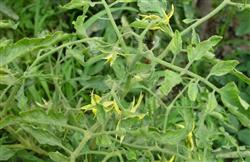
What diseases should be prevented and controlled when growing tomatoes in summer?
What diseases should be prevented and controlled when growing tomatoes in summer? Please advise. For reference, the following diseases should be prevented and controlled when growing tomatoes in summer: Viral disease: high temperature and drought are the primary conditions for the disease to occur. The suitable temperature for viral disease is between 38-43°C; below 35°C or above 45°C is not conducive to the disease. In daily cultivation management, ...
-
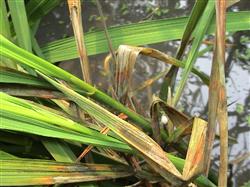
What are the common types of rice pests and diseases?
What pests and diseases affect rice? Please introduce control methods. Rice pests and diseases include rice blast, sheath blight, rice stem borers, rice planthoppers, and the rice red-spotted black spittlebug. They cause serious damage to rice, so control should be taken seriously. For control methods, refer to the following: Rice blast: long-term deep flooding or excessive drought, and excessive application of nitrogen fertilizer, lead to severe rice blast. Rice has three susceptible periods in its life, namely the seedling stage, the active tillering stage, and the full heading stage. Neck blast has the greatest impact on rice yield, so early prevention should be carried out at the booting stage and full heading stage. Rice blast is divided into: seedling blast, leaf blast, node blast, neck blast and grain blast. Rice blast control should adopt comprehensive control measures centered on planting disease-resistant high-quality varieties, based on healthy cultivation, and supplemented by chemical protection.
-
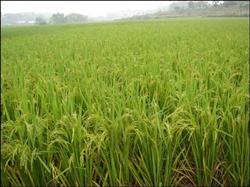
How should pests and diseases be controlled in the late growth stage of rice?
How should pests and diseases in the late stage of rice be controlled? Please provide guidance methods. Pests and diseases cause serious damage in the late stage of rice. The control methods can refer to the following: 1. Sheath blight: The disease has recently been rising faster. In a general survey of each town on September 10, the average rate of diseased hills was 13.7%, and the rate of diseased plants was 3.3%. The disease situation has clearly accelerated compared with the previous period...
条件筛选