-
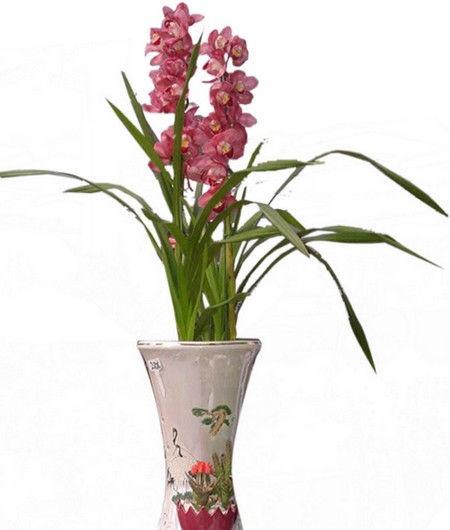
Diagnosis and Control Methods for Leaf Diseases of Potted Flowers
If potted plants are poorly managed, their leaves will turn yellow, scorch, and curl. The changes in the leaves can serve as a basis for analyzing problems in care work, and corresponding measures can be taken accordingly. Potted flower care: diagnosing diseases by looking at the leaves. 1. Young leaves turn yellow, or lower leaves curl and wither
-
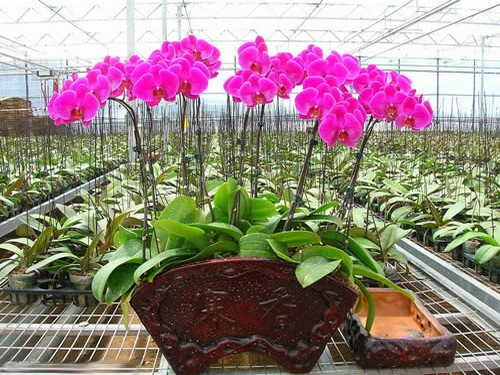
How to Care for Phalaenopsis (Moth Orchid) as a Household Potted Plant and How to Prevent and Control Pests and Diseases
Phalaenopsis is a well-known genus of cut flowers. The moth orchid is a monopodial epiphytic orchid with a short stem, large leaves, and one to several arching flower spikes with large blooms; it gets its name because its flowers resemble butterflies. Its elegant flower posture and gorgeous colors make it a treasure among tropical orchids, earning it the reputation of "queen of orchids." The moth orchid is named for its graceful, butterfly-like flowers.
-

Symptoms and control methods of stem blight, Phytophthora blight and southern blight in herb plants
Since herb plants were introduced from abroad by horticultural growers, they have been used not only as seasoning for meals, but also brewed into herbal drinks, or made into herbal bath products. Various forms of use have blended into the daily lives of the general public and are gradually becoming popular. In addition to
-
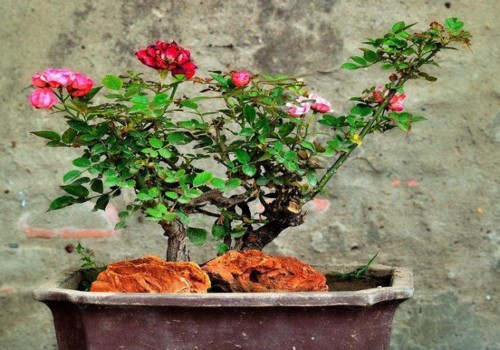
What are the common pests and diseases of roses? Detailed control methods
Roses bloom very beautifully, but they are also very susceptible to pests and diseases. So what should be noted when growing roses in home pots? Today, let's talk about several pests and diseases that roses are more prone to. Below is an introduction to the common pests and diseases of roses and their control methods
-

Symptoms and control of three common banana diseases: small black spot disease, fine streak disease and bunchy top-like stunting disease
An introduction to the symptoms and control methods of common banana diseases: small black spot disease, fine streak disease and stunting disease. Let's take a look! Small black spot disease Pathogen: the optimum temperature for mycelial growth is 25°C, the optimum temperature range for spore formation is 13-29°C, and the optimum temperature range for spore germination is 13-33°C.
-
Impact of Common Diseases on Lychee Trees and Their Control Methods
Do you grow lychee? If you do, then you must pay attention to lychee pests and diseases. Let's first take a look at the common diseases of lychee! 1. Downy blight Caused by Peronophythora litchi, it can damage flowers, leaves, young stems and
-
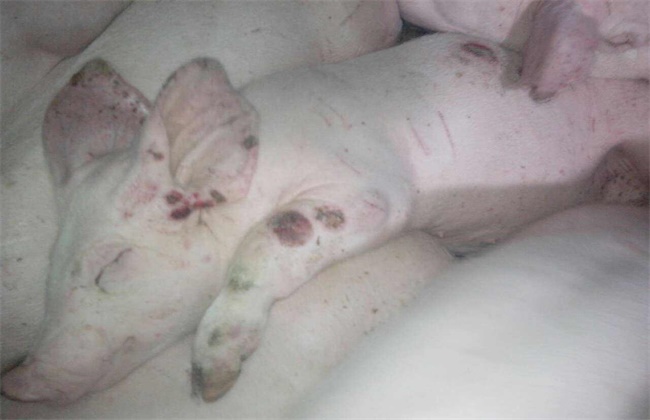
How to prevent and treat common skin diseases in pigs? A detailed guide to prevention and control measures for pig farmers
Common skin disease prevention and control measures in pig farming
-
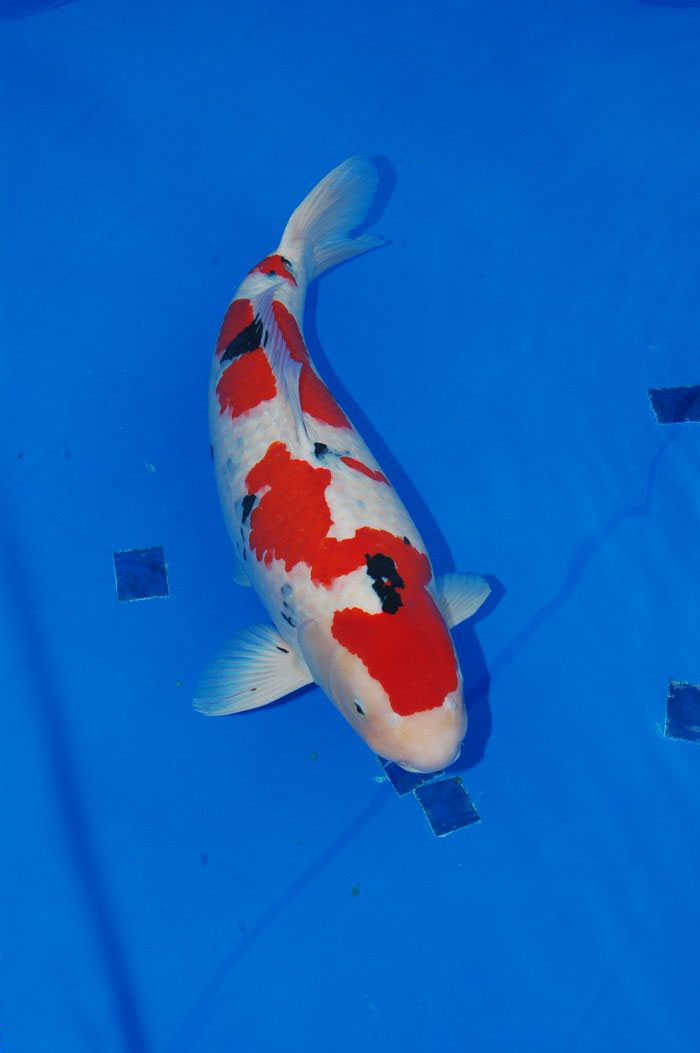
Koi fish farming: pay attention to the growth environment of Ichthyobodo and the prevention and treatment of parasitic diseases
Below we introduce the growth environment of Ichthyobodo, so that we can gain a deeper understanding of its characteristics. Ichthyobodo has extremely strong adaptability to the environment, and its main suitable water temperature is 12-20°C. The victims of Ichthyobodo disease outbreaks are mostly young fish; the younger the juvenile...
-
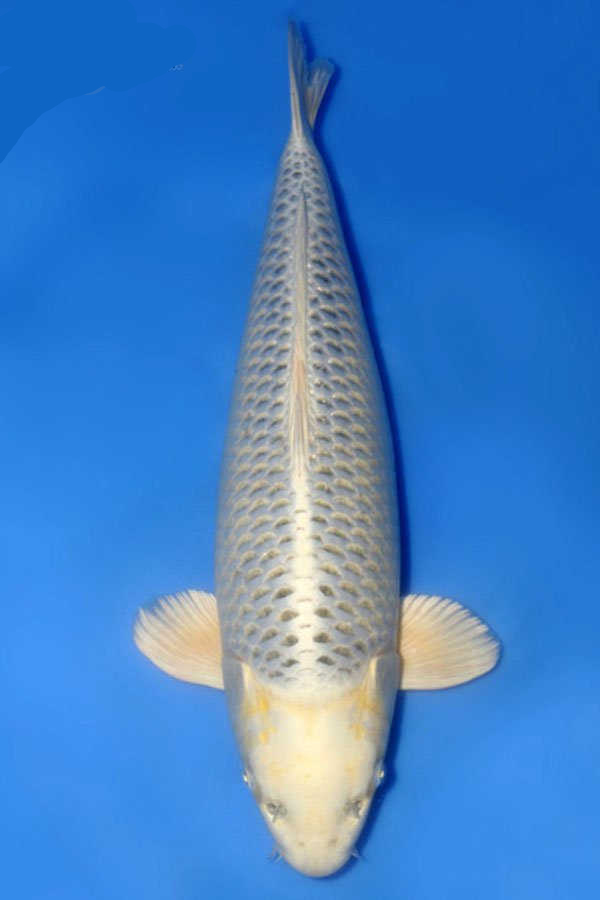
Common diseases of koi and methods to improve the cure rate of fish diseases
I. Observe frequently, treat early. Generally, after koi are infected or invaded by pathogens, there is a process with some signs, such as sick fish moving sluggishly, often swimming slowly at the water surface, not schooling together; if startled, they sink slightly and then immediately rise to the surface. Some fish...
-
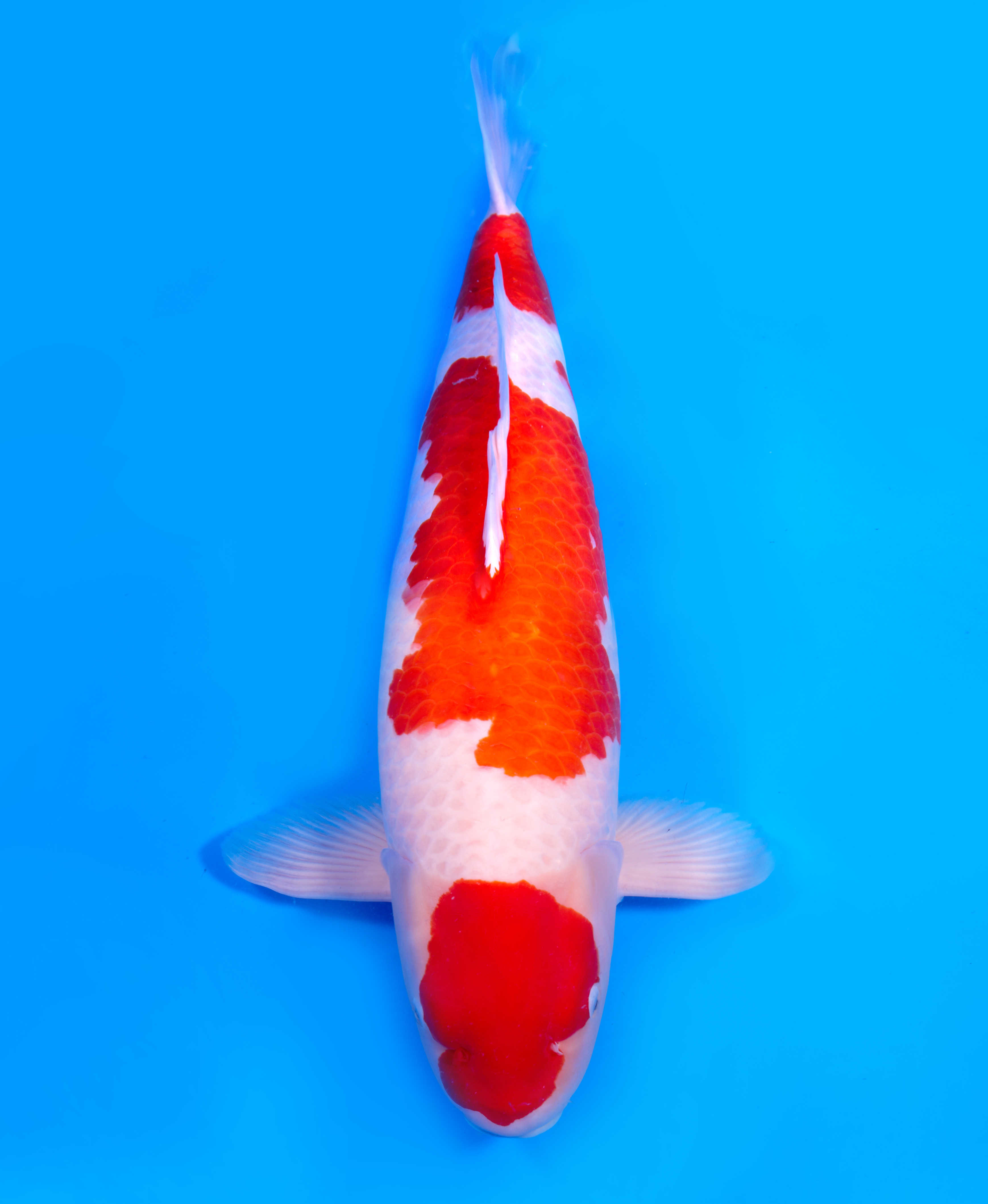
What to pay attention to in koi breeding, Vorticella - Parasites - Koi diseases and treatment - Koi fish - Ornamental
Vorticella, also known as bell animalcule, cup animalcule, and tongue-cup animalcule, is a common sessile ciliate in water. The body of Vorticella is thick at the front and thin at the back, cup-shaped or trumpet-shaped, about 100~400UM in size (UM is the micrometer unit, 1000 micrometers = 1 millimeter), with a peristome at the front end, connected below to...
条件筛选